Chalkbrood disease often flares in cool, damp, poorly ventilated hives, especially in spring when brood expands faster than the workforce can keep cells warm.
This short guide sets clear, practical steps you can use in the hive to limit spread and protect colony health. It focuses on site choice, ventilation, hygiene, comb rotation, and strong nutrition as core pillars of management.
Spores can survive for years, move on mummies and equipment, and travel with drifting or robbing bees. That reality makes routine inspections and consistent practices more effective than any one-off fix.
There are no registered chemical treatments, so a season-long plan is the safe path for steady honey yields and pollination services. For broader apiary growth ideas, see beekeeping expansion tips.
Key Takeaways
- Focus on ventilation and temperature stability in the hive.
- Keep strict hygiene and rotate combs to reduce spore load.
- Support colonies with nutrition during dearth periods.
- Choose hygienic stock and monitor brood patterns closely.
- Record inspections and apply consistent, integrated management.
Recognize Chalkbrood Early to Protect Your Colony
Early detection of infected larvae and abnormal mummies saves time and reduces spread across hives.
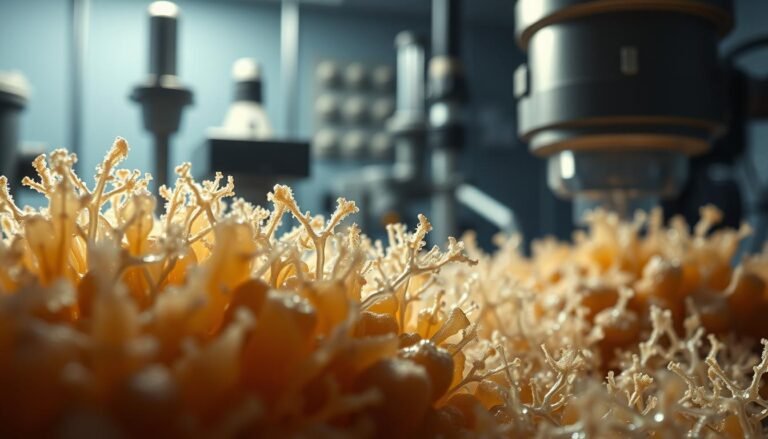
Look for hard, shrunken white or gray-black mummies in brood cells, on bottom boards, and at the hive entrance. These pellets often appear at the landing board when worker bees carry remains out.
Inspect frames for scattered brood patterns, perforated or flattened cappings, and uncapped cells with visible mummies. A gentle rattle of the comb can reveal capped, hardened remains.
Differentiate Similar Brood Diseases
- American foulbrood (AFB): ropey brown remains, sunken caps, foul smell.
- European foulbrood (EFB): twisted larvae, rubbery scale.
- Sacbrood: banana-shaped larvae with granular remains under a tough skin.
| Sign | Chalkbrood | AFB / EFB / Sacbrood |
|---|---|---|
| Appearance | White → gray-black mummies | Ropey, twisted, or banana-shaped larvae |
| Cappings | Perforated or flattened | Sunken or greasy (AFB) / irregular (EFB) |
| Ropiness test | Negative | Positive for AFB |
Note where mummies and infected larvae show up in the comb and whether worker bees uncap them. Track recent cool, damp temperatures; such swings often trigger visible signs.
For a practical identification checklist, see chalkbrood disease identification.
What Causes Chalkbrood and When It Spreads in Hives
Ascosphaera apis spores enter the hive food chain when nursing workers feed larvae, starting an internal infection that can overwhelm developing brood.
Infection path: Larvae ingest spores with their food. The fungus germinates, hyphae invade the gut wall, and the larva starves and dies, often after capping. Mycelial growth fills the cell, first white and fluffy, then hard and chalk-like as spores mature.

Environmental triggers: Outbreaks are most common in spring when rapid brood growth and cool, damp nights reduce temperature stability. Poor ventilation, wet frames, and colony stress—like poor nutrition or a failing queen—increase the problem.
Where symptoms show up: Look for scattered brood and isolated mummies in edge cells of the brood nest where it’s hardest for worker bees to keep steady temperatures.
| Factor | Effect | Management cue |
|---|---|---|
| Spore ingestion | Larval gut infection → mummy formation | Inspect brood regularly; remove heavily infected comb |
| Spring temperatures | Rapid brood growth, weaker workforce control | Monitor ventilation and avoid extra empty space |
| Persistence of spores | Viable for years; can seed future outbreaks | Rotate comb, clean tools, isolate contaminated equipment |
| Spread routes | Worker traffic, drifting, robbing, pollen, water | Limit hive movement; sanitize shared gear |
For detailed species and control notes, see this guide on chalkbrood.
How to Prevent Chalkbrood
Select a sunny, well-ventilated spot so hives stay dry and worker bees can maintain steady brood temperatures.
Site and ventilation
Place hives on high, drained ground with morning sun and good airflow. Use screened bottom boards or an upper entrance to vent moisture and cut damp inside the box.
Stabilize brood nest temperature
Right-size the brood chamber. Avoid adding empty space or removing adult bees in ways that chill the nest. That helps worker regulation and reduces stress on the queen and young cells.
Hygiene, barriers, and comb rotation
Remove visible mummies and scrape debris from bottom boards during inspections. Rotate out old combs on a schedule and keep equipment sets separate to limit spread throughout hive groups.
Nutrition and cleaning
Feed sugar syrup and fresh pollen or clean substitutes in dearth periods. Clean tools, smokers, and gloves with alcohol or flame when moving between apiaries.
| Action | Benefit | Quick tip |
|---|---|---|
| Screened ventilation | Less moisture | Use upper entrance on wet springs |
| Comb rotation | Lower spore load | Replace darkest frames every few years |
| Hygienic stock | Fewer mummies | Requeen with tested lines |
For detailed airflow options, read the beehive ventilation guide.
Advanced Prevention: Hygienic Bees, Queens, and Emerging Microbial Allies
Selecting queens with proven hygienic traits gives worker bees a genetic edge. Colonies bred for hygiene uncap and remove infected brood before mummies mature. That shortens the window when spores form and spread throughout hive parts.
Genetics and requeening
Hygienic behavior involves two linked actions: uncapping a cell and removing the dead larva. Both traits matter; uncapping without removal still leaves spore risk. Requeening with hygienic queens often reduces visible mummies within a season.
Microbial allies in the nest

Researchers at USDA-ARS and other labs have found beneficial microbes — including Penicillium, Aspergillus, Bacillus, Mucor, and Rhizopus — that inhibit Ascosphaera apis growth. These strains may form the basis of future biological controls that penetrate spore defenses better than surface treatments.
“Genetic selection and targeted microbes are complementary tools that strengthen colony defense without registered chemicals.”
Practical steps:
- Choose stock that reliably uncap and remove diseased brood; this lowers spore build-up.
- Requeen colonies with persistent mummies using tested hygienic queens and monitor brood cleanliness afterward.
- Maintain good food and nutrition so worker bees have the energy for continuous inspection and cleaning tasks.
For breeding guidance and reference books, visit beekeeping resources and books.
Conclusion
Wrap up your season with clear actions that keep bees and hives productive next spring.
Focus on steady brood nest temperatures, good ventilation at the entrance, and rotating combs and comb sets each year. Spores can remain viable for years, so routine sanitation and clean equipment pay off season after season.
Make a quick sweep of cells and cap edges for early mummies during inspections, and feed syrup and pollen when natural food is scarce. If signs seem unclear, compare with AFB, EFB, and Sacbrood or consult local beekeepers.
For notes on solitary bee outbreaks and nest sanitation see solitary bee chalkbrood notes, and review seasonal tasks at seasonal beekeeping tasks.
FAQ
What are the earliest signs that my hive has chalkbrood?
Look for white or gray hard “mummies” of larvae in cells, on the bottom board, and near the hive entrance. Infected brood often appears scattered rather than in a neat patch, and mummies can accumulate at the hive base or fall to the ground.
How can I tell this from American Foulbrood, European Foulbrood, or sacbrood?
Chalkbrood mummies are dry and brittle with a chalky texture. AFB produces sticky, ropey remains and a foul odor; EFB yields twisted, yellowish larvae that often have a sour smell; sacbrood larvae remain in a fluid-filled sac. When unsure, send a sample to a state diagnostic lab for confirmation.
What causes this fungal infection and how do larvae get exposed?
The fungus Ascosphaera apis produces hardy spores that adult bees carry into brood cells on pollen and nectar. Nurse bees feed contaminated food to larvae; spores germinate in susceptible larvae, leading to mummification when conditions favor fungal growth.
When does the disease most often spread within colonies?
Spores thrive under cool, damp, and poorly ventilated conditions. Spring and cooler, wet periods increase risk, especially when colonies are stressed by poor nutrition, low population, or crowded combs that disrupt brood nest temperature.
Where in the brood nest will I usually see symptoms first?
Symptoms often appear in edge cells of the brood nest and in scattered patches rather than concentrated areas. Check peripheral frames, upper comb edges, and the bottom board for dropped mummies.
What site and hive placement reduce risk?
Place hives in a dry, sunny location with good airflow. Avoid low, shaded hollows that stay damp. Elevate stands and orient entrances for sun and air movement to keep combs drier and brood temperatures more stable.
Which ventilation improvements are most effective?
Use screened bottom boards, upper entrances, or small mesh ventilation blocks to increase airflow without creating drafts. Adequate ventilation lowers humidity and helps maintain brood nest temperature, reducing fungal growth.
How should I manage brood nest space and colony temperature?
Avoid adding too much empty space in spring that fragments the brood nest and cools developing larvae. Keep a strong population clustered around brood, and use insulation or quilt boxes only when necessary to stabilize temperatures without trapping moisture.
What hygiene steps limit spore spread between hives?
Remove and destroy heavily infected frames and mummies. Clean tools and gloves between colonies, disinfect equipment with hot water or approved sanitizers, and avoid transferring contaminated combs. Keep robbing and drifting to a minimum by reducing open flights and spacing apiaries apart.
Can feeding syrup or pollen substitutes help colonies resist infection?
Yes. Provide 1:1 sugar syrup in spring or clean pollen patties when natural forage is scarce to bolster nurse bees and brood rearing. Strong, well-nourished colonies maintain brood nest temperature and resist fungal invasion better than malnourished ones.
How often should I rotate combs and inspect equipment?
Replace old brood comb every 3–5 years or sooner if dark, brittle, or contaminated. Inspect and clean frames and boxes at each major manipulation. Rotate out contaminated combs promptly to reduce spore reservoirs in the apiary.
Are there hive treatments or chemicals I can use against this fungus?
No chemical cure reliably eliminates spores inside hives. Management focuses on cultural controls: ventilation, nutrition, hygiene, comb rotation, and colony strength. Consult your state apiarist before using any product, and avoid unapproved treatments.
Does requeening with hygienic stock reduce recurrence?
Yes. Hygienic strains that uncapped and remove diseased brood lower disease prevalence. Requeening with selected or commercially available hygienic queens can markedly reduce infection pressure over seasons.
What role do beneficial microbes play in control?
Emerging research shows some beneficial bacteria can inhibit Ascosphaera apis growth. Probiotic approaches and microbial supplements are under study, but adoption requires more field validation. Stay informed through university extension updates.
When should I call an expert or send samples for testing?
If signs persist despite management, if symptoms resemble foulbrood, or if you need confirmation, contact your state apiarist or a university extension lab. Proper diagnosis guides correct action and protects neighboring operations.