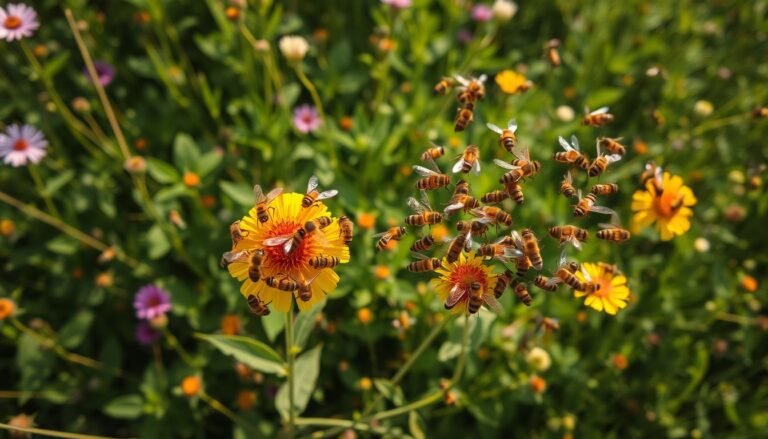
Hedgerows are living fences that transform working lands into resilient habitat. They knit multi-layer, linear plantings across field edges to boost biodiversity, cut wind, reduce erosion, and conserve water.
This practical, research-backed guide shows how to plan, plant, and manage hedgerows for year-round benefit. Expect improved pollination services, greater species diversity, and added farm value from berries, nuts, and florals.
We emphasize continuous bloom and structural layering as core principles. Choose native plants suited to your region and place plantings along borders, roads, and waterways to create microclimates and edge habitats that support pollinators and beneficial insects.
Establishment takes multiple years, with gains compounding over time. Use monitoring and adaptive management to refine performance as the planting matures. For regional plant lists and seasonal palettes, visit the Northeast pollinator resource center.
Key Takeaways
- Hedgerows act as living infrastructure that improves farm ecology and yield over time.
- Multi-layer plantings provide continuous bloom and structural habitat year-round.
- Native plants reduce maintenance and better support local pollinators and beneficial insects.
- Strategic placement creates microclimates and controls wind, erosion, and dust.
- Expect a multi-year establishment period with measurable ecological gains.
Why Hedgerows Matter for Pollinators and Farms
Hedgerows knit fields and woods together, creating vital edges that support birds, insects, and farm productivity.
These linear plantings provide habitat structure and connectivity that raise species variety and overall diversity across margins. Layered trees, shrubs, and forbs offer food and cover that create wildlife habitat for insectivorous birds and natural predators of crop pests.
Better pollinator service links directly to crops: increased visitation improves fruit set, seed production, and marketable yields. Hedgerows also cut wind speed and evapotranspiration, conserving soil moisture for sensitive field edges.
As living filters, these plantings slow runoff, boost infiltration, and trap sediment and pesticide drift before it reaches waterways. Mature hedgerows suppress invasive weeds by capturing windborne seeds along borders and shading competitors.
They reduce dust and chemical drift, improving conditions near towns and worksites. Thoughtful species choice can add harvestable berries, nuts, florals, and nursery stock that diversify farm income.
Align hedgerow goals with crop protection, soil and water stewardship, and broader biodiversity outcomes to maximize benefits year-round.
Core Benefits Backed by Research
Field edges planted densely can change pollination outcomes and stabilize farm microclimates.
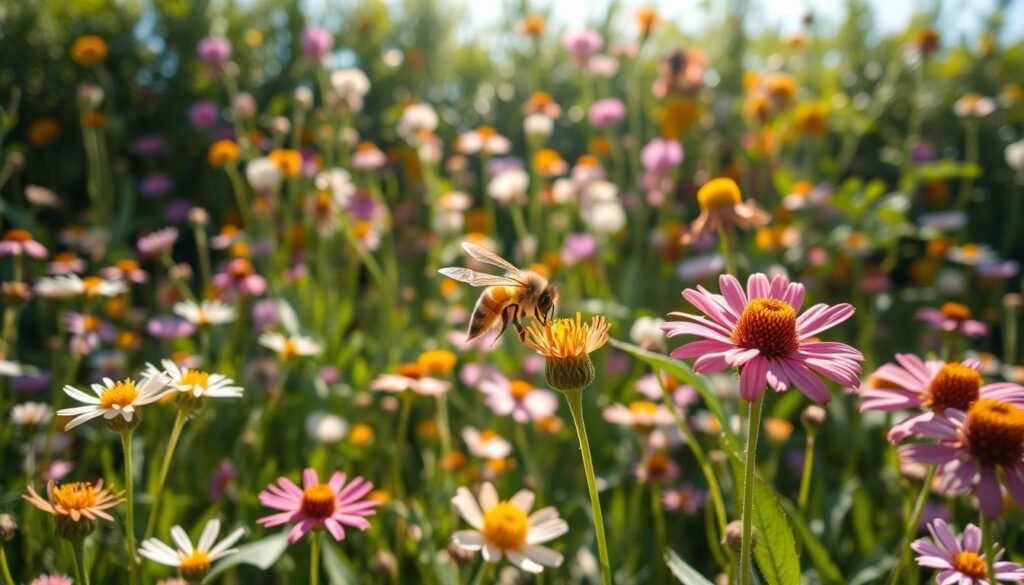
Amplifying pollination, fruit and seed set
Densely planted hedgerows can boost pollination and increase fruit and seed production by up to 70% (Journal of Applied Ecology). That gain translates into higher yields for many crops and more consistent returns for growers.
Boosting biodiversity and wildlife habitat
In California’s Central Valley, hedgerows supported seven times more rare native bee species than untended borders. Continuous bloom windows improve colony survival and long-term diversity of pollinators and beneficial insects.
Water conservation, erosion control, and soil health
Windbreak hedgerows cut wind speed up to 75% at optimal density and orientation. This reduces erosion, improves soil moisture retention, and builds organic matter as plants mature year after year.
| Benefit | Evidence | On-farm result |
|---|---|---|
| Pollination rise | +70% fruit/seed (Journal of Applied Ecology) | Higher yields |
| Native bee increase | 7× rare species (Central Valley) | Richer pollinator pool |
| Colony survival | Early nectar improves survival 35%→100% | Stable pollination service |
| Wind reduction | Up to 75% at 40–50% density | Less erosion, better moisture |
“Two weeks of nectar scarcity can reduce future queen production by up to 84%,” said Dr. Tonya Lander, co-author of recent bumblebee research.
Planning Your Hedgerow: Site, Goals, and Layout
Base your plan on what the land already offers: soil, water flow, and pockets of shade. A short site audit saves time and money and helps you match plants to micro-sites.
Assessing site fundamentals
Test soil texture and drainage, map water movement, and note sun and shade patterns. Inventory existing habitats and wildlife corridors so you can integrate rather than disrupt.
Setting clear goals
Decide whether the goal is forage for pollinators, wind reduction, privacy, or weed interception. Align goals with planting choices and phased timelines to spread labor and costs.
Rows, spacing, and orientation
Optimal layouts use four or more rows for windbreaks, water and soil conservation, and to provide habitat. Plant trees and shrubs 6–8 feet on center; space rows 8–10 feet apart.
| Objective | Rows & Spacing | Key rule |
|---|---|---|
| Windbreak | 4+ rows; 8–10 ft between rows | Orient perpendicular to prevailing winds (target 40–50% density) |
| Wildlife value | Wide corridor >20 ft | Tallest species centered; shrubs and groundcovers at edges |
| Water/soil conservation | Multiple staggered rows | Match species to dry ridges or moist swales to reduce water stress |
Plan maintenance lanes for mowing, mulching, and monitoring. Avoid species that may conflict with nearby crops and document a phased planting timeline to build variety and resilience over time.
Pollinator-friendly hedgerow design
To sustain pollinators year-round, stack bloom windows so flowers appear across every season. Start by mapping early, mid, and late bloomers to close seasonal gaps.
“Plant for continuity, not just color.”
Ensuring year-round nectar and pollen
Include early nectar sources such as willow, maple, cherry, hawthorn, and red dead-nettle to bridge spring shortages cited by Lander et al., 2024. Mix summer staples and autumn anchors so nectar and pollen are always available.
Layered structure: trees, shrubs, forbs, grasses, and stems
Build layers: canopy trees, midstory shrubs, forbs and grasses below, and retained stems for nesting. This supports different insect guilds—hoverflies, bees, and beetles—while increasing structural diversity and soil stability.

Prioritizing native plants and avoiding invasive species
Choose natives adapted to local soils and climate to cut irrigation and maintenance. Exclude aggressive spreaders to lower long-term weed pressure and to protect habitat integrity.
- Mix flower forms and heights to serve many pollinators and predators.
- Balance fast growth with long-lived structure for steady establishment.
- Retain hollow stems to aid cavity nesters and overwintering insects.
For practical species lists and planting tips, see nurture pollinators with hedgerows and the native bee-friendly plants guide.
Seasonal Plant Palettes That Feed Pollinators All Year
Match plant timing to pollinator life cycles so nectar and pollen are available across seasons. Curate species that open at staggered times to close feeding gaps for bees, butterflies, and hoverflies.
Spring starters
Early spring bloomers like willow, maple, redbud, serviceberry, and wild lilac provide the first nectar and pollen for queens and emerging bees.
Summer staples
In summer, include salvia, yarrow, buckwheat, penstemon, ocean spray, elderberry, and roses to sustain peak foraging and to produce berries for wildlife.
Autumn anchors
Extend blooms into fall with asters, goldenrod, coneflower (echinacea), and rudbeckia so pollinator food persists as temperatures cool.
Winter shelter
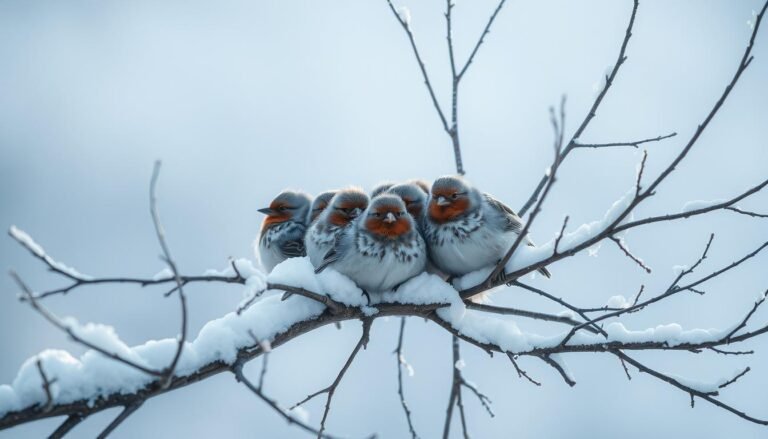
Retain unpruned stems, evergreens, leaf litter, and downed wood to offer thermal refuge and nesting sites. Coyote bush can supply winter nectar/pollen in some regions.
| Season | Key species | Function |
|---|---|---|
| Spring | Willow, maple, redbud | Early nectar for emerging bees |
| Summer | Salvia, elderberry, buckwheat | Peak forage and berry production |
| Fall | Asters, goldenrod, rudbeckia | Late-season nectar and pollen |
| Winter | Evergreens, retained stems, downed wood | Shelter and overwintering habitat |
“Design plantings so no month is left without flowers; overlapping bloom windows make pollination reliable.”
- Mix flower shapes to serve short- and long-tongued pollinators.
- Retain hollow stems and pithy centers for nesting bees.
- Keep leaf litter to shelter moths, caterpillars, and overwintering queens.
Regional Plant Examples for the United States
Regional plant palettes let growers match local climate and soils for reliable seasonal food and shelter.
California and the West: Use ceanothus for early spring blue flowers, nitrogen-fixing benefits, and drought tolerance. Add toyon for summer flowers and winter berries, but avoid siting near apple and pear orchards because of fire blight risk.
Coyote bush provides late-fall to winter nectar and pollen; choose prostrate or upright forms to meet slope or privacy aims. Deergrass adds clumping structure, deep roots for erosion control, and overwintering refuge for lady beetles and dragonflies.
Narrowleaf milkweed is a keystone example: it hosts Monarchs and supports beneficial insects through associated aphid prey.
Pacific Northwest inspiration: Select redtwig dogwood and chokeberry for seasonal color and wildlife food. Where suitable, include coyote brush and hardy fuchsia to extend blooms into late season.
“Pair shrubs with understory flowers to keep nectar flowing and to support diverse wildlife year-round.”
| Region | Key species | Primary function |
|---|---|---|
| California & West | Ceanothus, Toyon, Coyote bush, Deergrass, Narrowleaf milkweed | Early nectar, summer berries, winter pollen, erosion control, Monarch host |
| Pacific Northwest | Redtwig dogwood, Chokeberry (Aronia), Coyote brush, Hardy fuchsia | Seasonal flowers, wildlife fruit, extended bloom, habitat structure |
These examples act as modular palettes. For planting specifics and regional guidance, see regional planting guide.
Installation: From Soil Preparation to First Watering
Start smart: set up soil, suppress weed pressure, and plan water before any plants go in. Proper preparation saves time and boosts early growth. Follow a clear sequence so crews know tasks by weeks and seasons.
Weed suppression and soil preparation strategies
For small sites, topsoil amendments like compost or well-rotted manure work well. Lay cardboard, then a 3-inch mulch blanket to smother weeds and conserve moisture.
For larger areas, sequence cover crops (crimson clover, buckwheat) to build tilth. Terminate and till or use mid-summer solarization with UV-stabilized plastic to reduce persistent weeds.
Planting time, hole prep, and spacing for growth
Target planting in fall for temperate zones to use winter water. In very cold climates, choose early spring to avoid root freeze.
Dig wide, deep holes to ease root spread. Backfill without glazing and water-in each plant to remove air pockets. Follow spacing of 6–8 feet between trees and shrubs, with rows 8–10 feet apart.
Irrigation schedules for establishment and drought resilience
Use a staged watering plan: weekly in Year 1, every two weeks in Year 2, then monthly in Year 3. Always water deeply to encourage roots to grow downward.
Keep alleys 6–8 feet wide, mowed or tilled for weed control and fire protection. Protect young trunks with hardware cloth and trunk guards against rodents.
| Task | Timing | Practical note |
|---|---|---|
| Soil amendment | Pre-planting (small sites) | Compost/manure + cardboard + 3″ mulch |
| Cover cropping / solarization | Large sites; prior season | Crimson clover / buckwheat sequence; solarize mid-summer |
| Planting | Fall (temperate) or early spring (cold) | Wide deep holes; water-in immediately |
| Irrigation | Year 1–3 | Weekly → every 2 weeks → monthly; deep soak each time |
“Document tasks by weeks and seasons to keep crews aligned on timing for planting, watering, and weed suppression.”
Maintenance and Seasonal Care for Long-Term Success
Seasonal care focused on weeds, mulch, and pruning protects plant health and supports insect life cycles. Regular attention keeps soil stable and reduces costly repairs later.
Weed control, mulching, and groundcover
Start with a plan: use at least 3 inches of mulch to suppress weeds and retain water. Add shade-tolerant groundcovers as canopies close to reduce bare soil and regrowth.
Pruning, leaving leaves, and overwinter protection
Prune for structure but retain stems of elderberry, raspberry, and sumac through winter to shelter overwintering bees and other beneficial insects. Carpenter bees use hollow stems, so keep some intact.
Leave the leaves guidance from Xerces helps butterflies, moths, and queens that overwinter in leaf litter. Time major cleanup after winter to avoid disturbing dormancy.
Reduce pesticide drift and support predators
Avoid spraying near active bloom and use buffers to minimize drift. Provide nectar pollen resources to sustain adult parasitoids and predatory flies that control pests naturally.
| Task | Timing | Key action | Benefit |
|---|---|---|---|
| Mulch renewal | Annually (spring) | Maintain 3″ depth | Conserves water; suppresses weeds |
| Pruning | Late winter (post-dormancy) | Retain selected stems | Protects overwintering insects; preserves habitat |
| Pesticide management | Avoid bloom | Establish spray buffers | Reduces drift; supports predators |
| Soil & water check | Seasonal inspection | Test infiltration; adjust irrigation | Improves plant vigor; reduces weed flush |
“Small, regular tasks keep plantings healthy and make the habitat more valuable over time.”
Connectivity and Climate Resilience
Living green corridors let insects and birds travel safely between patches of suitable habitat. These links matter in farmed landscapes where open fields can isolate nesting and feeding sites. Strong corridors help species persist across the year.
Hedgerows act as highways for pollinators and other beneficial insects, allowing movement between woodlots, riparian strips, and remnant meadows. In linked systems, butterflies and bees use corridors to migrate and recolonize areas after disturbance.
Research shows linear plantings can be up to 15°F cooler than adjacent fields. That shade-driven cooling creates refuges during summer heat waves and supports higher wild bee diversity.
Place plantings to join existing habitats and extend greenways across the landscape. Use continuous canopy, staggered bloom, evergreens, and deep-rooted plants to buffer wind and moderate swings in temperature.
Plan at scale: coordinate corridors with neighbors, monitor gaps, and adapt species choices. Over time, connected hedgerows strengthen wildlife habitat, stabilize pollination services, and add climate resilience to working lands.
“Linear corridors become living infrastructure that buffers crops and wildlife from climate extremes.”
Monitoring and Continuous Improvement
A simple monitoring plan helps you see which species thrive and which need help. Start with basic, repeatable checks that track flowering calendars and insect activity through the season.
Citizen science, bioacoustics, and remote sensing
Engage local programs like Hedgerow Heroes to crowdsource observations on plant and wildlife presence. Use acoustic tools such as Agrisound’s “Polly” to capture pollinator and bat calls at night.
Remote sensing — LiDAR and hyperspectral imaging — maps networks and highlights gaps so you can target restoration.
Tracking bloom windows, nectar flow, and beneficial insect activity
Record bloom timing by weeks, note nectar flow peaks, and count beneficial insects during set visits. Collect seeds from high-performing plants to expand those genotypes.
- Track species presence, flowers across tiers, and predator activity.
- Compare sound data with visual counts to validate results.
- Review findings annually and adjust irrigation, pruning, or plant mixes.
| Monitoring tool | What it tracks | Use |
|---|---|---|
| Citizen science | Species & flower records | Benchmark habitat outcomes |
| Bioacoustics | Pollinator & nocturnal calls | Measure activity over time |
| Remote sensing | Extent & condition of hedgerows | Target restoration |
“Data turns management into adaptation; share results to scale impact.”
Conclusion
Start small, plan long — layered plantings pay ecological and crop dividends over years.
Hedgerow plantings typically take four to eight years to establish and 30+ years to mature. With multi-row, native-forward plants you gain windbreaks, erosion control, improved soil and water retention, and better crop pollination over time.
Prioritize native plants and early spring flowers to steady pollinators through vulnerable weeks. Stack spring starters, summer sustainers, fall extenders, and winter shelter of leaves, evergreen cover, and retained stems for year-round food and habitat.
Commit to monitoring and adaptive management. Track species, flowers, nectar flow, and water use to refine choices and boost beneficial insects that protect crops.
Start a phased planting plan now—select diverse tree, shrub, and understory layers, work with neighbors to link habitats, and watch benefits compound year after year in both wildlife and farm resilience.
FAQ
What is the best time of year to plant a mixed native hedgerow?
Spring and fall are ideal. Planting in early spring gives roots a full growing season before summer heat, while fall planting lets roots establish in cool, moist soils. Match planting time to your local climate and avoid hot, drought-prone months to reduce irrigation needs and transplant stress.
How do I choose species to provide nectar and pollen from early spring through winter?
Select a layered mix of trees, shrubs, forbs, and grasses that bloom sequentially. Include early-flowering willows and maples, midseason shrubs like elderberry and salvia, autumn asters and goldenrod, and winter-structure plants such as evergreens and unpruned stems. Prioritize native species adapted to your soil and moisture to ensure dependable bloom windows and habitat.
How far apart should I space plants to encourage growth and pollinator access?
Space plants according to mature width: small shrubs 2–4 feet apart, larger shrubs and small trees 6–12 feet, and trees 15–25 feet. Stagger species in staggered rows or a double row to create layers. Proper spacing reduces competition for light and water and creates corridors that insects and birds can navigate.
What soil preparation and weed control methods work best before planting?
Start with a soil test to adjust pH and nutrients. Suppress weeds with solarization, cover crops, or heavy mulch for at least a few weeks before planting. Avoid deep tilling near planting zones to preserve soil structure and mycorrhizae. Adding compost improves water retention and seedling establishment.
How much water do new plants need and how long should I irrigate during establishment?
Water deeply at planting, then keep soil consistently moist for the first 6–12 months. Typical schedules are two to three deep waterings per week for shrubs and weekly for trees, tapering as roots establish. Switch to infrequent, deep irrigation to encourage drought resilience once plants are established.
Can I use nonnative ornamental plants in my pollinator planting?
Use caution. Some nonnative ornamentals provide nectar but can become invasive or offer poor pollen quality. Focus on regionally native species for the best food and shelter value. If you include nonnatives, choose noninvasive cultivars with abundant nectar and avoid sterile hybrid varieties that provide no pollen.
How do I manage pests without harming beneficial insects and pollinators?
Favor integrated pest management: encourage predators like ladybeetles and lacewings, use physical controls, and monitor pest thresholds before treating. If chemical control is necessary, choose targeted products, apply at night when pollinators are inactive, and avoid broad‑spectrum insecticides. Maintain diverse flowering plants to support natural enemies.
What maintenance keeps the planting productive over years and decades?
Annual tasks include mulching, spot weeding, and monitoring for invasive species. Prune selectively to maintain structure, but retain some dead stems and leaf litter for overwintering insects. Replant gaps, replenish native groundcovers, and adapt irrigation and plant mix as the site matures to sustain habitat value.
How do I create connectivity between a garden planting and nearby natural areas?
Use native shrubs and trees that match local habitats to form corridors. Align rows to connect remnant woodlands, riparian zones, or field margins. Include continuous patches of flowering plants and structural variety so pollinators and other wildlife can move safely across the landscape.
Which plants are recommended for drought-prone regions in the United States?
Choose region‑adapted natives such as Ceanothus and toyon in California, deergrass and narrowleaf milkweed in dry westlands, and coyote bush for arid transition zones. These species tolerate low water and provide nectar, pollen, seeds, and shelter. Group them with drought-tolerant perennials to reduce irrigation.
How can I measure success after installing a pollinator planting?
Track bloom timing and diversity, count insect visitors during set observation periods, and record nesting activity or bird use. Participate in citizen‑science programs like iNaturalist or the Xerces Society monitoring guides to compare results and refine plant selection and maintenance over time.
Are there simple ways to provide winter food and shelter for insects and birds?
Leave some stems unpruned, maintain leaf litter and downed wood, and keep evergreen shrubs for cover. Seed-bearing plants like rudbeckia and asters provide fall and winter food. These features support overwintering pollinators and seed‑eating wildlife while promoting biodiversity year-round.