

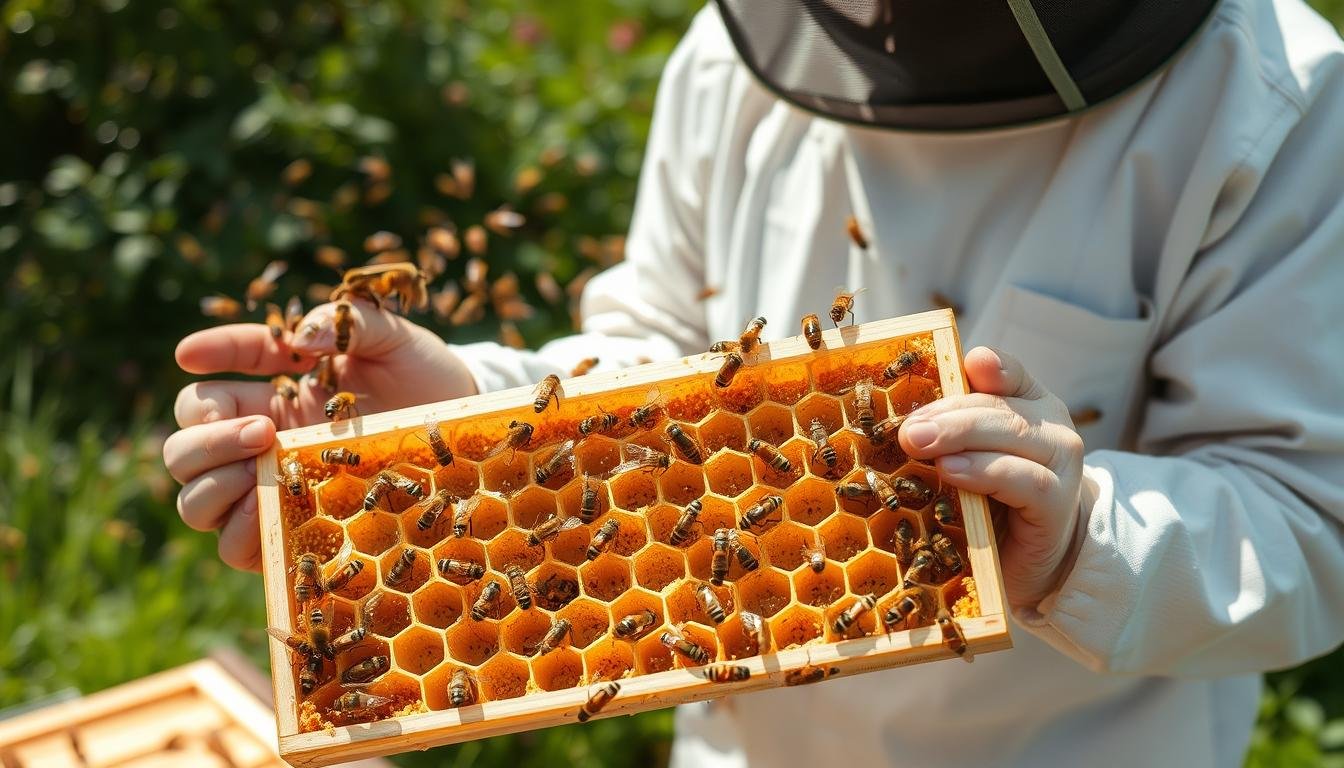
Comb is the living structure of a healthy colony. It supports brood rearing, nectar curing into honey, pollen storage, and helps with thermoregulation. When workers ignore new foundation, it signals a deeper issue.
Many factors affect comb building. Strong populations, young productive queens, low mite loads, and a good nectar flow encourage the hive to build new cells. By contrast, poor forage, high pesticide exposure, or the wrong timing can stop progress.
Feeding syrup alone rarely forces work on brand-new frames. Wax production costs energy, so workers prioritize brood and stores unless the colony senses a real need for space. Young workers produce wax best when they ate pollen early in life, so workforce age and nutrition matter.
Beekeepers should view lack of comb as a diagnostic clue. Check queen vigor, population density, mite pressure, and seasonality before adding foundation. Timing and colony condition often make the difference between wasted frames and rapid comb building.
Key Takeaways
- Comb is essential for brood, storage, and hive function.
- Strong colonies with young queens and good forage draw comb fastest.
- Feeding syrup does not always prompt new comb building.
- Wax comes from young workers that ate pollen early.
- Assess population, queen health, mites, and season before adding frames.
Why Comb Building Matters for a Healthy Honey Bee Colony
The network of cells inside the hive shapes how a colony grows and uses resources. A well-made comb gives bees places to raise brood, store pollen, and cure nectar into honey. That organized layout helps workers move quickly and keep the nursery at the right temperature.
Good comb building supports steady brood patterns and keeps enough open cells for the queen. When cells are plentiful and uniform, the colony can scale brood rearing and store incoming nectar fast during short flows.
By contrast, scarce or poorly drawn comb causes bottlenecks. Congestion can slow brood production, invite backfilling, and increase the chance the colony will try to reduce density or swarm.
- Comb is the colony’s infrastructure for brood, stores, and movement inside the hive.
- Proper comb preserves thermoregulation and stabilizes nursery temperatures.
- Quality cells affect how bees cure nectar, manage moisture, and secure winter stores.
Investing in comb early in the season pays dividends across the year. More available cells mean less pressure during slow periods and a better chance the colony stays balanced and productive.
7. reasons bees won’t draw comb
A mix of colony health and environment often explains why new wax never appears on frames. Read this checklist to identify which constraint is blocking construction.
Weak or imbalanced workforce
If a colony skews old or is small, it lacks the young bees that secrete wax. Young workers need pollen early in life to build fat bodies and make wax.
Poor nectar flow and limited energy
During a dearth, incoming nectar is low. Workers prioritize survival and brood care over expanding cell area.
Insufficient pollen and cool hive conditions
Pollen scarcity in the first 5–6 days of a worker’s life cuts wax output later.
A cold interior also suppresses wax secretion and makes shaping comb slow or impossible.
Queen, space, and foundation issues
A failing or missing queen reduces brood demand, so the colony sees no need to build. Too much empty space or an early super can cause hesitation.
Plastic foundation with little wax may be rejected unless lightly coated or seeded with drawn comb.
| Cause | What to check | Immediate fix | Why it matters |
|---|---|---|---|
| Weak population | Frames of brood, worker age | Combine with stronger box or add frames of brood | More young bees = more wax production |
| Low nectar | Local flow, hive stores | Feed light syrup during buildup | Energy needed for wax synthesis |
| Cold hive | Insulation, ventilation | Move to sun, reduce drafts | Warmth enables wax handling |
| Foundation rejection | Surface waxing, frame placement | Wax-coat or seed with comb | Attractive surface speeds acceptance |
Beekeepers should treat reluctance to draw comb as a diagnostic cue. Check population, nutrition, queen status, and equipment setup before adding more frames.
Practical fixes to get bees to draw comb fast
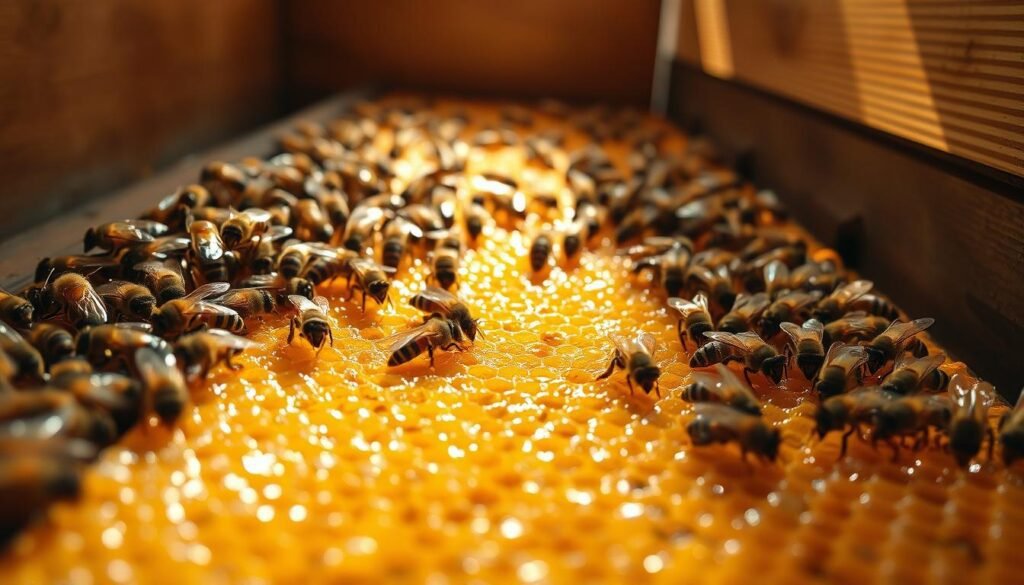
Small, targeted changes can often kickstart new wax work in a sluggish colony. Start by matching energy cues and brood demand rather than forcing frames on a weak group.
Stimulate with sugar syrup and adjust ratios during flow
Feed 1:1 sugar syrup to simulate a flow. Sustained feeding may be needed; if drawn comb exists, bees will store syrup there instead of building new cells.
Tighten space, then expand
Use follower boards to crowd the brood nest slightly. Add one or two seeded frames of drawn comb so the colony anchors straight building into adjacent frames.
Warm the hive and balance nutrition
Place hives in full sun when safe. Insulation and reduced drafts help keep the interior near 90°F for wax work. Offer small pollen patties only when natural pollen is scarce.
“Mist new frames lightly with syrup to encourage grooming and early engagement.”
| Fix | What to do | When to expect results |
|---|---|---|
| Feed 1:1 syrup | Continuous, modest volumes; avoid storing only | Several days of activity |
| Follower boards + drawn frames | Crowd then expand; seed with old comb | Builds steady, straight comb in time |
| Warmth & pollen | Sunny placement, insulation, small patties if needed | Improved wax handling and steady progress |
Verify the queen by spotting fresh eggs and even brood. For seasonal checklists, see seasonal tasks and consult beekeeping FAQs for routine care tips.
Frames, foundation, and boxes: setup tweaks that boost comb building
A few simple tweaks to frame alignment and foundation surface can cut hesitation and speed building. Prepare equipment so the workforce finds clear cues and a familiar scent before expecting heavy wax work.
Lightly wax-coat plastic foundation and seed with old drawn comb
Brush a thin layer of melted beeswax onto bare plastic foundation to add scent and grip. This small step makes the surface attractive and reduces initial rejection.
Insert one or two frames of drawn comb next to new foundation. Seeded frames guide straight cell orientation and accelerate acceptance across neighboring frames.
Keep frames straight and level to prevent cross comb and hesitation
Maintain tight, even spacing in the brood area and check frame level with a small torpedo level. A slight tilt or warped frame encourages cross construction and slows inspections.
- Place new foundation close to the brood nest, not at cold outer positions.
- Avoid adding a super of only foundation unless the colony shows strong population and a flow.
- Standardize frame and boxes geometry to reduce confusion and crooked building.
“A few seeded frames and a light wax coat often turn a slow start into steady progress.”
For more tips on how to get foundation accepted, see how to get foundation accepted.
Timing your strategy to nectar flow, season, and colony growth
Plan your hive work around local nectar windows to get the most from each manipulation. Match expansions to periods when the colony grows and natural nectar arrives.

Build in spring expansion; avoid pushing new comb in late fall
Target new building comb during spring expansion when populations rise and nectar is available. In a strong year, colonies will accept foundation quickly and fill frames with honey.
Avoid forcing large amounts of foundation in late fall. As queens reduce laying, cells free up and get backfilled with nectar and honey, so extra space is often ignored.
Watch for backfilling and adjust supers accordingly
Monitor for backfilling as brood rearing slows. Add or rearrange a super to protect brood space and prevent the hive from getting clogged with stores.
- Monitor local flow windows and align supering to capture peaks.
- Rotate partially drawn frames into active zones to maintain momentum during extended flows.
- Use records from prior years to predict surge dates and scale actions to each colony.
“If a flow stalls, reduce space quickly to keep the nest warm and let workers finish what they’ve started.”
For timing guidance and local schedules, consult your seasonal calendar and check a local hive report.
Reading the hive: diagnostics beekeepers use before feeding
Assess the hive’s workforce and health before adding food or foundation. A measured inspection tells a keeper whether feeding will help or simply mask a deeper problem.
Start with population and brood. Count frames of brood and note worker age balance. Productive hives that build new cell structure tend to be strong and have many young workers that make wax after consuming pollen in their first 5–6 days.
Check queen performance and mites. Look for fresh eggs, a solid pattern, and calm temperament. Low mite loads are critical; parasitism and sublethal exposure reduce wax output and slow expansion.
- Match goals to the colony’s real capacity—set small, incremental frames as targets.
- Verify how much empty comb already exists; lots of open cells can mean stores will be placed before new foundation is worked.
- Note nighttime lows and recent weather; cool conditions extend the days needed for delicate work.
Compare several hives to tell yard-level issues from single-hive complaints. For inspection checklists and deeper guidance, review a concise hive inspections guide and a practical beekeeping resources collection.
“Grade population, confirm the queen, and check mites before you decide to feed.”
Conclusion
Getting frames filled fast requires matching the colony’s needs with the right cues. Align strong populations of young bees, low mite loads, and a warm brood area so wax work proceeds without delay. Place waxed foundation near active brood and seed new frames with some drawn comb to guide straight cell building.
Use syrup sparingly as a cue, not a crutch. Offer 1:1 sugar syrup only when the colony truly needs space and has enough workers to secrete wax. Keep expansion gradual—crowd gently, then add frames or a super during a good nectar flow or spring peak.
Keep a short checklist in your jacket: queen status, workforce, hive warm, foundation prep, syrup plan, and local nectar flow. For practical expansion steps and timing, review our expansion tips to sync equipment and biology for steady comb building this year.
FAQ
Why won’t my colony build new comb even though I added frames?
A weak worker population or few young, wax-producing bees often causes slow comb production. Check for a healthy brood pattern and plenty of nurse bees. If the hive lacks young workers, the colony simply lacks the body resources to secrete wax and shape cells.
How does nectar flow affect comb construction?
When floral nectar is scarce, colonies conserve energy and limit wax secretion. Strong flows give workers energy and incentive to store honey and expand comb. During dearths, supplement with thin sugar syrup to encourage building, but avoid syrup when there’s abundant natural forage.
Can limited pollen reduce wax production?
Yes. Young bees need protein from pollen to develop the glands that produce wax. If pollen sources are low, provide small pollen patties or place hives near known forage to boost gland development and comb building.
Could temperature inside the hive be stopping comb formation?
Cold or drafty hives force bees to prioritize warming brood over wax production. Place hives in sun, add light insulation, and reduce large openings. Warmer, stable conditions let bees flexibly produce and manipulate wax sheets.
What role does the queen play in comb drawing?
A poor or aging queen lowers brood rearing and colony optimism, reducing the urge to expand comb. Verify the queen by finding fresh eggs and a steady brood pattern. Replace or requeen if egg-laying is inconsistent.
Can too much space prevent comb building?
Yes. Excessive empty volume disperses the cluster and lowers the stimulus to draw comb. Close gaps with follower boards or reduce box space so bees build compactly, then expand as needed during a strong flow.
Why do bees reject plastic foundation or new surfaces?
Smooth plastic can seem unattractive; bees prefer textured, slightly waxed surfaces. Lightly coat plastic foundation with melted beeswax or place a sheet of old drawn comb nearby to seed acceptance.
What syrup schedule and ratio should I use to stimulate comb building?
Use a 1:1 sugar-to-water syrup in spring to mimic nectar and stimulate building. Avoid heavy, thick syrups that are meant for winter stores. Stop feeding syrup when natural nectar flows begin to prevent robbing and confusion.
When should I add or remove supers and frames to encourage drawing?
Add space gradually during spring expansion. Provide a single super or a few frames just ahead of the brood nest so bees see usable space. Remove or consolidate boxes in late season to prevent wasted effort on new comb when brood rearing slows.
How can I warm a hive that’s too cool for wax production?
Move the hive to a sunnier spot, orient the entrance to receive morning sun, and add light insulation or an inner cover that reduces drafts. Don’t over-insulate in heat; aim for stable, moderate internal temperatures.
Is it OK to seed new frames with old drawn comb?
Yes. Adding small pieces of old comb or frames with partially drawn cells gives bees a template and speeds acceptance. Use disease-free comb to avoid transferring pests or pathogens.
How do I know whether to feed pollen supplements or focus on other fixes?
Inspect brood levels and nurse bee population. Low brood combined with poor forage suggests pollen supplements. If the colony lacks young workers or the queen is failing, feeding alone won’t solve the problem; address queen health and population balance too.
Could mites or disease affect comb drawing?
High mite loads and disease stress reduce worker longevity and wax gland function. Test for Varroa and treat with integrated pest management if thresholds are exceeded. Healthy colonies draw comb faster and more reliably.
When is the worst time of year to force new comb construction?
Late fall and winter are poor times. Cooler temperatures and reduced forage make wax production costly. Plan major comb expansion in spring and early summer during prime nectar flow and colony growth.
What simple frame set-up prevents hesitation and cross comb?
Keep frames straight, evenly spaced, and level. Use proper hive tools and follow standard gauge spacing between frames and boxes. Consistent geometry helps bees start building immediately and avoids crooked or cross comb.
How long should I wait before considering changes if comb isn’t being drawn?
Give the colony a few days to a couple of weeks during active season, depending on strength and forage. If no progress appears after one to two weeks, implement targeted fixes: adjust space, feed syrup or pollen, check queen, and treat pests as needed.


