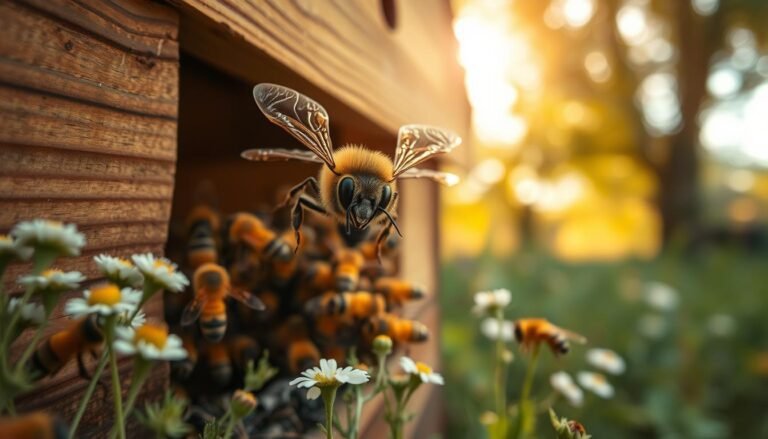
Bees and nectar flows respond to short and long-term changes in the outdoors. Flight windows open when temperatures sit near comfortable ranges and close during rain, strong gusts, or extreme cold.
Foragers work best between about 20–30°C (66–86°F) and often pause when winds exceed roughly 1.6–6.7 m/s or gusts hit 15–20 mph. Morning warmth with mild moisture and midday sun typically boosts nectar gathering and hive gains.
Inside the hive, colony ventilation drops nectar moisture from roughly 80% to under 18% before it is stable. High ambient humidity slows this drying step and raises the risk of fermentation, so beekeepers must watch both forager activity and in-hive conditions.
This Ultimate Guide explains practical thresholds, links daily observations to seasonal outcomes, and offers U.S.-focused rules of thumb for timing supers and harvests. For regional climate notes and management tips, see our guide to beekeeping in different climates.
Key Takeaways
- Bee flight and nectar flow depend on temperature, wind, humidity, and sunlight.
- Foraging peaks in mild, moist mornings and sunny early afternoons.
- Wind over 15–20 mph and rainfall sharply reduce daily gains.
- Hive drying needs low internal moisture to prevent fermentation.
- Seasonal patterns set bloom timing and overall yield expectations.
What this ultimate guide covers and why it matters in the United States today
This guide lays out practical thresholds and tools that beekeepers use to match daily decisions to seasonal yields. It explains the links between short-term weather swings and longer climate trends so readers can plan for nectar flows, hive ripening, and colony health.
U.S. context is urgent. Between April 2024 and April 2025 surveys estimated 55.6% annual colony losses, with commercial projections as high as 60–70% in 2025. National honey fell 4% to 134 million pounds and yield per colony dropped to 51.7 pounds despite 2.6 million colonies producing.
Why this matters: pollination services support roughly $18 billion in crops and honey sales still add hundreds of millions. Volatile patterns—drought, heat waves, erratic rainfall—disrupt nectar and stress bees, raising financial and food-system risks.
- What you’ll find: actionable thresholds for flight, nectar “recipes,” regional notes, and timing tips for supers and harvests.
- Tools emphasized: scales, sensors, and predictive models that turn research into on-the-ground decisions.
- Focus: present-day U.S. observations to help plan this year’s bloom windows and protect colonies.
Read on to learn research-backed steps that help beekeepers and growers defend yields, sustain pollination, and stabilize food supply in a changing world.
how weather/climate affects honey production: the core mechanisms
Daily limits on foraging begin outside the hive when temperature, wind, and humidity create clear go/no-go windows for bees.
Bee flight thresholds: temperature, wind, humidity, and rainfall constraints
Bees typically fly between about 10–40°C, with top foraging near 20–30°C. Wind above roughly 1.6–6.7 m/s cuts flight efficiency and lowers return rates.
High relative humidity and rain suppress flights even if temperatures appear suitable. Air pollution further reduces scent trails and navigation, trimming daily collection.
Plant nectar dynamics: how temperature and soil moisture drive secretion
Plants tune nectar to temperature and soil moisture. After steady rain, many species boost secretion when warm, sunny days follow.
Different plants have distinct thresholds: black locust needs warmer starts; sunflower nectar peaks near 24–27°C with moderate humidity. These patterns push bees into morning and early-afternoon windows.
From nectar to honey: hive evaporation, humidity, and ripening conditions
Foraged nectar enters the hive at ~80% moisture and must dry to under 18% to be stable. High ambient humidity slows that drying and demands extra fanning.
Research thresholds guide beekeepers on timing supers, moving hives, and planning harvests to match actual in-hive ripening, not just field flows.
| Mechanism | Key thresholds | Effect on bees | Management tip |
|---|---|---|---|
| Flight range | 10–40°C; optimal 20–30°C | Controls daily foraging hours | Monitor temp and scale data |
| Wind & humidity | Wind >1.6–6.7 m/s; high RH | Reduces sorties; slows drying | Shelter apiaries; delay supering |
| Plant nectar | Soil moisture + warm sun | Sets secretion peaks | Time moves to bloom windows |
| In-hive ripening | Nectar ~80% → | Determines harvest readiness | Use moisture meters; avoid early harvest |
Weather limits for bee flight and foraging activity
Practical flight windows let beekeepers forecast daily gains. Field and lab research translate into a useful U.S. operating range: bees generally begin foraging near 55°F and show strong activity between 66–93°F. These temperatures give a reliable baseline for planning yard work and adding supers.
Typical operating ranges: 55–93°F, wind ceilings, and light effects
Wind matters. Gusts above about 15–20 mph sharply cut sorties and raise the energy cost of foraging. Solar radiation boosts activity up to moderate levels (around 460 W/m²); beyond that, high light combined with warm air can reduce trips.
When conditions shut down flights: rain, gusts, and heat spikes
Even light rain depresses foraging; steady or heavy rain effectively stops flights. Short heat spikes near 95°F or higher can lower plant secretion and send bees home early, producing sudden drops in daily yield.
- Read morning forecasts—temperature, wind, and rain chances predict whether scales will show net gains.
- Plan hive work for clear, moderate days to avoid stressing the colony.
- For more on standards and timing for harvests, see grading standards.
Nectar flow “recipe”: temperature, rainfall timing, and sunlight
Plants make nectar best when soil moisture is adequate and warm sun follows rain. Adequate, moderate rainfall soaks the root zone and primes flowers. Then several warm, sunny days during bloom push secretion and invite active foraging.
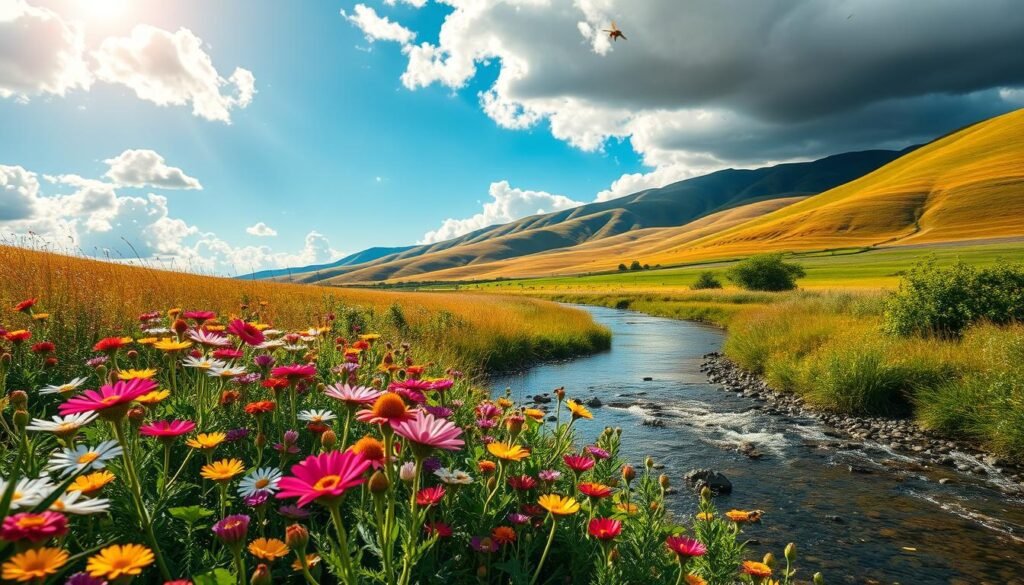
Consistent rain followed by warm, sunny days
Sequence matters more than totals. Heavy rain during peak bloom can wash or dilute nectar and keep bees grounded. A wet week followed by clear, warm days often produces the largest daily gains on hive scales.
Diurnal patterns and plant timing
Many nectar-rich species peak between about 60–90°F. Mild, moist mornings usually show the highest collection rates as flowers open and secrete. Species-specific schedules mean field walks at first light reveal real availability.
- Forecasting tip: a steady recharge of soil water, then warm sun, often yields multi-pound daily gains.
- Site tip: riparian zones or irrigation can stabilize flows during short dry spells.
- In-hive note: high ambient humidity prolongs ripening and calls for more fanning before capping.
| Factor | Ideal range | Management action |
|---|---|---|
| Soil moisture | Moderate, consistent rainfall | Check nearby water sources; time moves after wet week |
| Daytime temps | 60–90°F | Watch morning peaks; add supers when active |
| Diurnal timing | Morning to early afternoon | Do yard work after peak foraging |
For related field observations and wider context, see the brave new world of beekeeping.
Seasonal impacts on honey production in the U.S.
Seasonal swings set the calendar for nectar availability and hive weight gains across U.S. regions. These patterns guide beekeepers on timing supers, brood support, and harvest windows.
Spring: growing degree days, frost risk, and early nectar sources
Foraging typically begins once daily temperatures pass about 55°F and growing degree days accumulate. Early warm spells speed bloom, but late frosts can wipe out blossoms and erase early gains.
Moderately wet springs boost early yields. In drought years spring honey can fall 40–60% in some areas. Track local bloom calendars and yard notes to time moves.
Summer: peak yields, drought concentration vs rainy dilution
Peak weeks often feature 70–90°F days, low winds, and scattered rain every 10–14 days. Under ideal conditions colonies can gain 8–10 lb of nectar per day on scales.
Drought tends to cut volume but concentrates color and minerals. Excessive summer rain dilutes nectar and can raise moisture in combs. Heat waves above ~95°F for several days may lower nectar secretion by 30–50% and slow foraging.
Fall: extended warmth, frost timing, and late-flow traits
Each extra week with temps above ~65°F can add meaningful stores. Early frost ends flows quickly. Late flows often yield darker, robust profiles and influence crystallization risks in cool, dry falls.
Pro tip: Pair historical yard records with current forecasts and consult a seasonal calendar like this harvest calendar to align hive work with regional peaks.
| Season | Key thresholds | Management action |
|---|---|---|
| Spring | >55°F start; watch GDD; frost risk | Delay supering until sustained flights; protect early blooms |
| Summer | 70–90°F days; periodic rain; avoid >95°F heat | Monitor moisture; plan harvests between rain events |
| Fall | Weeks >65°F extend flows; first frost ends season | Track frost forecasts; adjust feeding and capping timing |
Spring honey flows: sensitive blooms and microclimate advantages
Shelter and sun give colonies a measurable edge in early spring. Colonies placed in warm, south-facing spots often start foraging up to two hours earlier than colonies in cooler micro-sites. That extra time can boost seasonal yields by roughly 20–30% within the same area.
Key spring sources and their sensitivity
Fruit blossoms hit peak nectar near 65–75°F; a single frost can end flows overnight. Wildflowers and dandelion respond well to steady, moderate spring rain, which raises early nectar and pollen for the colony.
Short windows and site selection
Black locust and tupelo bloom for only 7–10 days and show up to 80% year-to-year variability tied to rainfall and temperature alignment. That makes timing critical for beekeepers and for the honey bee.
“Daily scouting and quick supering during these brief windows often separates good seasons from great ones.”
Practical tips: favor sheltered, sun-exposed yards, use hive scales to spot flow starts, and watch pollen to time brood support. Species-specific timing is a competitive advantage when conditions align.
Summer production: optimal conditions, extreme heat, and rainfall patterns
Summer’s “sweet spot” pairs 70–90°F daytime highs with overnights above 60°F, light to moderate rainfall every 10–14 days, low morning winds, and moderate humidity. These conditions let colonies forage long enough to vault daily gains.
Peak days can show 8–10 lb of nectar brought to the hive. Often colonies collect more nectar than they can immediately ripen, so beekeepers must watch moisture and capping closely.
Drought versus wet summers: dry spells shrink volume but concentrate minerals and darken color. Excessive rain dilutes nectars and can raise in-hive moisture, slowing ripening and delaying harvests.
Heat waves over 95°F for several days cut plant secretion by roughly 30–50% and push bees to shelter, producing sudden plateaus or drops on scales.
- Watch mornings: light winds and lower humidity favor heavy foraging; strong wind calls for conservative supering.
- Be ready to add supers during short optimal runs and pause extraction when storms or high humidity slow capping.
- Mitigation: provide shade, water sources, or relocate hives briefly in extreme heat to support thermoregulation and pollen flows.
“Regional storm tracks and volatile patterns now shape summer yields more than in past decades.”
For a deeper look at the impact of weather and climate on, consult research-backed guidance before major yard moves or harvest decisions.
Fall honey: mineral-rich profiles, cool-weather ripening, and crystallization trends
Extended mild days in early fall let bees gather nectar that often produces darker, minerally jars. When temperatures stay above roughly 65°F, late-flowering species can add meaningful stores before the first hard frost ends the season.
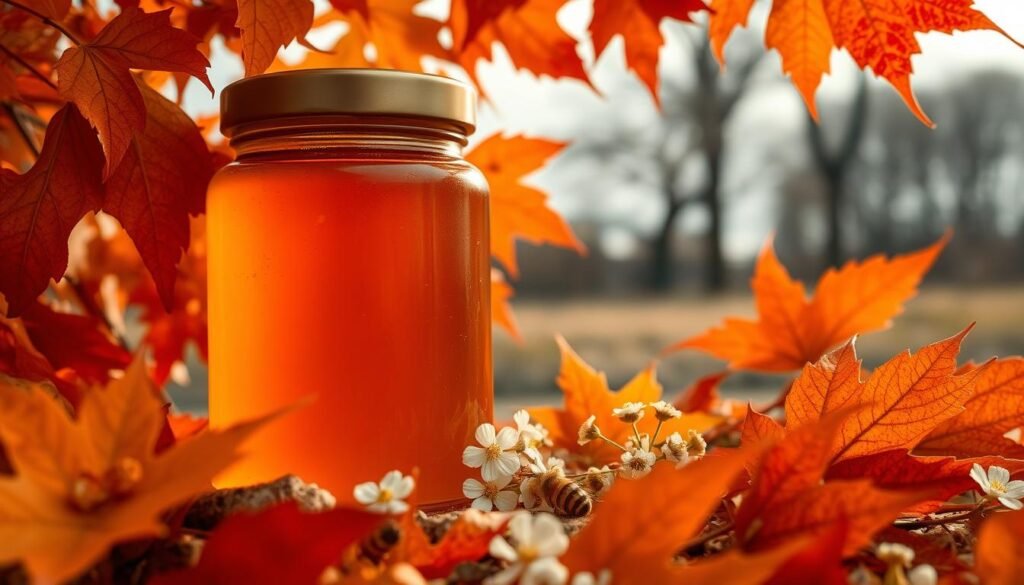
Late-season jars frequently show deeper color and higher mineral content as soils dry and plants concentrate sugars. Cooler ripening preserves volatile aromatics, so fall batches taste and feel different from summer harvests even from the same region.
Cool, dry autumn conditions can shift sugar ratios toward higher glucose, which accelerates crystallization. That makes some fall honey grain sooner and develop a creamier texture.
- Watch 10–14 day forecasts to time final extractions and protect winter stores.
- Match harvest timing to actual ripening in the hive to avoid high moisture and fermentation risk.
- Combine scale data with field checks of flowers and pollen to decide when to stop harvesting.
| Factor | Effect | Beekeeper action |
|---|---|---|
| Extended warmth | Late nectar gain | Add supers; monitor fills |
| First hard frost | Flow cutoff | Finish extractions; secure stores |
| Cool ripening | Distinct aromatics; faster crystallization | Plan jar timing; label fall batches |
Regional patterns vary: local plant communities set volumes and flavor profiles, and recommended winter stores range widely (about 40–100 lb per hive). Final fall choices on feeding, mite control, and hive setup should align with remaining weather windows and late nectar availability to protect colonies for the years ahead.
Regional weather patterns across the U.S. and their signature honey profiles
Across the United States, local patterns set the tempo for bees and the jars they fill. Regional rainfall timing, land use, and major crops create predictable flavor families and yield windows.
Great Plains, California, Northern, and Southern contrasts
Great Plains historically led with sweet clover and alfalfa. Now erratic rainfall and heat make yields boom or bust. Many operations chase scattered flows or move colonies to stay viable.
California centers on almond pollination and coastal blooms. Migratory moves of more than a million colonies hinge on narrow bloom timing and stable spring rains.
Northern states such as North Dakota and Montana once averaged high per-hive returns. Recent extremes cut some yields by roughly 30% in bad years.
Southern regions offer mixed, year-round forage but face storm and hurricane disruptions that can erase short windows.
Microclimates and urban heat islands
Small differences in slope, aspect, and elevation shift nectar timing and flavor within short distances. Urban heat islands extend foraging seasons and add pollen diversity to city jars.
“Mapping local blooms and partnering with landowners now matters as much as traditional yard skills.”
- Tip: map bloom calendars by land use and habitat to predict gaps.
- Tip: diversify forage and coordinate pollination moves across areas.
| Region | Signature sources | Recent trend | Management action |
|---|---|---|---|
| Great Plains | Sweet clover, alfalfa | Boom-bust with variable rainfall | Move colonies; secure backup forage |
| California | Almonds, coastal wildflowers | Timing disruptions from erratic spring rains | Coordinate pollination schedules; monitor blooms |
| Northern states | Prairie surpluses | Yield drops in extreme years | Track GDD and scale data; stagger moves |
| Southern regions & urban | Mixed wildflowers; extended city pollen | Storm-driven gaps; longer seasons in cities | Develop habitat edges; use urban yards as buffers |
Climate change and honey production in the present day
Recent U.S. data make the stakes clear: between April 2024 and April 2025 an estimated 55.6% of managed colonies were lost, and many commercial operators now expect 60–70% losses next year.
National output fell to 134 million pounds in 2024 and yield per colony dropped to about 51.7 lb. Extreme heat, drought, and erratic rainfall cut nectar flows and strained bee health.
2024–2025 observations: colony losses, volatile yields, and false springs
False springs pushed blooms early, then frosts removed those nectar windows. That sequence amplified year-to-year variability and forced rapid management shifts.
Heat waves, droughts, and erratic rainfall disrupting nectar and bee health
Heat waves raised thermoregulation costs and shortened worker lifespans. Drought reduced secretion; sudden rains washed or grounded foragers, trimming daily gains.
Compounding stressors—varroa, viral disease, pesticides, and habitat loss—undermine resilience and magnify losses across regions from the Great Plains to California and the North.
“Economic impacts exceed $600 million as pollination gaps ripple through food and crop supply chains.”
| Pressure | Effect | Recommended response |
|---|---|---|
| False springs & frosts | Lost bloom windows | Monitor temps weekly; delay moves |
| Heat & drought | Lower nectar secretion; stressed colonies | Provide water, shade, diversify forage |
| Varroa, pesticides | Weakened colony defenses | Strengthen mite control; reduce exposure |
Bottom line: pair tech monitoring with habitat restoration and forage diversity. Quick, weekly attention to temperatures and rainfall helps anticipate disruptions and protect bee colonies, pollinators, and food supply.
Beekeeping strategies to adapt to weather variability and climate change
Data-driven moves give beekeepers an edge when nectar windows shorten or shift. Simple monitoring and targeted management help protect colony health and stabilize jars across the season.
Monitoring and prediction: hive scales, sensors, and models
Deploy scales and in-hive sensors to track weight, humidity, and brood temperatures. These tools reveal daily gains, moisture trends, and signs of stress.
Combine local forecasts with predictive models and real-time data. For implementation guidance, see monitoring studies at monitoring studies.
Management moves: forage, harvest timing, and moisture control
Delay extraction until refractometer readings hit sub-18% and cap checks confirm ripening. Time harvests for dry spells to avoid fermentation.
Diversify forage through habitat plantings and partnerships with landowners to smooth gaps between crop blooms and support pollinators.
Resilience levers: breeding, varroa control, and community action
Invest in mite-resistant stock, routine varroa monitoring, and integrated treatments to keep colonies strong under heat or drought.
Support local corridors, reduce pesticide exposure, and align pollination moves with crop calendars to protect bees and yields over the long term.
Conclusion
Each season layers distinct signals—sunny days, wet spells, cool nights—that shape what bees bring home. That time-sensitive dance determines jar character and yield.
From flight windows to in-hive ripening, temperature, wind, rainfall, and humidity set the rules for honey and hive outcomes. Recent U.S. years show rising losses and erratic yields, so data and local observation matter more than ever.
Pair scales and sensors with simple yard notes, site choices, and habitat plantings. Flexible moves and right-timed harvests protect quality, steady supply, and the food services honey bee work supports.
For seasonal checklists and tasks, consult our seasonal beekeeping tasks guide to capture short windows and keep jars true to place and time.
FAQ
What main environmental factors determine seasonal nectar availability?
Temperature swings, soil moisture from recent rainfall, sunlight during bloom, and humidity control when plants secrete nectar. Warm, sunny days after steady spring rain typically trigger strong flows. Drought reduces nectar volume while some heat waves can concentrate sugars but shorten bloom windows.
At what temperatures do honey bees typically forage best?
Most Apis mellifera colonies forage actively between about 55°F and 93°F. Flight drops off below the low threshold and above the high threshold as bees avoid cold and extreme heat. Wind, rain, and low light also reduce trips even inside that range.
How do rainfall patterns influence yields?
Timing matters more than total amount. Consistent spring rain followed by warm, sunny days promotes sustained nectar secretion. Heavy storms during peak bloom can halt flights and wash nectar, reducing immediate intake and overall yield.
Why does hive humidity matter for turning nectar into marketable honey?
Bees reduce nectar moisture by fanning and evaporation. High ambient humidity slows drying and increases risk of fermentation. Low humidity aids ripening but extreme dryness can stress colonies. Managing ventilation and honey removal timing helps quality control.
How does extreme heat affect colonies and yields?
Heat spikes force bees into cooling behaviors like fanning and water foraging, which diverts labor from nectar collection. Prolonged heat can shorten bloom periods, reduce plant nectar, and raise colony stress, increasing vulnerability to pests and diseases.
Can drought ever improve honey quality?
Short-term drought can concentrate nectar sugars, producing denser honey. But severe or prolonged drought lowers overall floral abundance, shortens forage windows, and reduces total tonnage. Net results usually mean lower commercial yield despite possible flavor concentration.
What are the regional differences in the U.S. that beekeepers should expect?
California and the West depend on irrigation and early blooms; the Great Plains respond to spring moisture and heat; northern states have compressed seasons with late frosts as risk; the South can have extended flows and false springs. Local microclimates and urban heat islands further modify timing and volume.
How is climate change already altering hive performance and yields?
Shifts include more frequent false springs, irregular bloom timing, greater heat waves and droughts, and heavier storm events. These trends cause volatile yearly yields, mismatches between bees and floral peak, and increased colony losses when resources fail at critical times.
What practical steps can beekeepers take to adapt to variable conditions?
Diversify forage sources, place apiaries in sheltered, sun-exposed sites, use hive scales and sensors for real-time monitoring, adjust harvest timing, manage moisture and ventilation, and pursue varroa control and locally adapted stock to strengthen resilience.
How do rain events and wind limits interrupt foraging in the short term?
Rain grounds foragers and washes nectar; persistent drizzle or heavy storms stop trips and reduce intake. High winds increase energy costs and navigation difficulty, effectively raising the temperature threshold at which bees will leave the hive.
What signs indicate a weak nectar flow versus a colony health problem?
Weak flows show low incoming nectar and pollen despite normal colony behavior. Colony health problems include reduced forager numbers, visible disease or parasites, spotty brood patterns, and sluggish activity inside the hive. Monitoring brood, varroa levels, and forager traffic helps diagnose the cause.
Are there specific crops or native plants that beekeepers should prioritize for reliable spring yields?
Fruit blossoms, black locust, dandelion, and tupelo are historically reliable spring sources in many regions. Planting diverse native wildflowers and restoring riparian and hedgerow habitats increases resilience and spreads bloom timing for steadier resource flow.
What role do sensors and data models play in modern apiary management?
Scales, temperature and humidity sensors, and weather-driven nectar models give beekeepers advance warning of blooms, nectar declines, or moisture issues. These tools support timely supplemental feeding, super placement, and harvest decisions to protect yield and colony health.