Published December 3, 2025 · Last Updated August 26, 2026
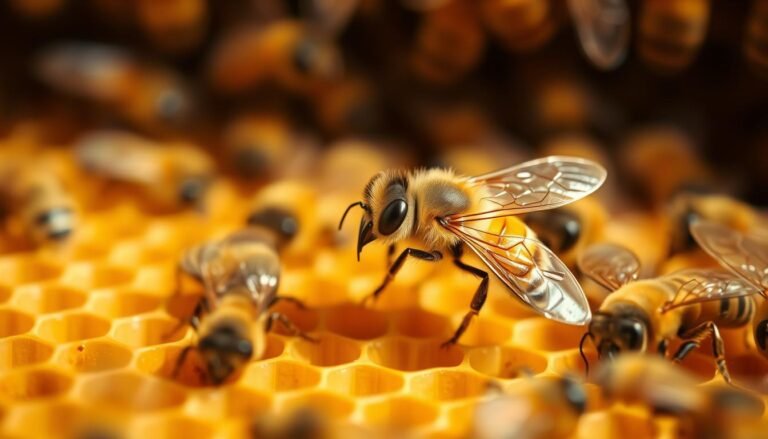
Quick, practical guidance for beekeepers spotting seasonal shifts in the hive. As temperatures drop, the colony changes behavior. The queen slows egg-laying and workers shift toward making hardy winter bees with larger fat bodies.
Look for a steady cluster inside the box, fewer foragers leaving on warm days, and a noticeable lightening of brood. Drones are often pushed out as nectar and pollen fade.
Check hive weight to confirm adequate honey reserves. Proper ventilation at the top and a slight forward tilt help reduce deadly moisture. Small, targeted checks and early varroa control give the colony a better chance to reach spring strong.
Key Takeaways
- Watch cluster formation and reduced egg-laying as seasonal cues.
- Weigh hives to ensure 30–90 lbs of honey depending on climate.
- Adjust top ventilation and tilt to control moisture.
- Expect drone eviction and the rise of winter bees.
- Plan minimal disturbance checks and early varroa treatment.
Why recognizing winter prep matters for your hive’s survival
Early detection of fall behavior shifts gives colonies the best chance to reach spring. Spot reduced brood, lighter weight, or fewer foragers and you can act before losses start.
Energy budgeting matters. As nectar fades, the hive depends on honey stores. Confirm frames are positioned so the cluster can access food without long travel that wastes heat.
Disease pressure is a top risk. Varroa‑vectored viruses shorten the life of winter workers and shrink fat reserves. Treating mites in autumn greatly improves survival.
- Align frames so the cluster can move to stores.
- Decide whether to feed, combine boxes, or redistribute honey.
- Adjust ventilation to cut condensation and prevent moisture stress.
“Colonies rarely fail from cold alone; poor stores and disease do the damage.”
Seasonal timing cues beekeepers should watch in fall
Shorter daylight and cooler nights trigger clear shifts in hive behavior each fall. Photoperiod and falling degrees tell the colony to cut brood and conserve stores. Track actual day length and local temperatures to predict when the hive pivots.
Cooling days make evening cluster formation more frequent. The queen slows egg-laying as days shrink, and the brood nest contracts without meaning colony failure.
Regional timing matters
Late blooms in places such as Maryland and Ohio can extend foraging into cool weather. In those areas, worker bees may still gather nectar below 60°F when flowers persist.
Adjust inspections, feeding, and ventilation to local bloom calendars and temperatures. A regional plan helps you decide when to condense boxes or add supplemental honey stores.
Practical cues to watch
- Record daily high/low degrees and daylight changes.
- Note pollen loads on returning foragers to match local blooms.
- Watch intake rates—when honey stops coming in at upper 50s°F, shift to conservation mode.
“Observing weather and floral flows gives the best clue to when to act.”
Signs your bees are preparing for winter
Late‑season changes inside the hive show up gradually. Watch for a smaller brood area, more bees gathered near food, and fewer workers flying out on warm afternoons.
Reduced queen egg‑laying and a tightened brood nest
The queen shrinks her laying pattern. Brood becomes concentrated where the cluster can warm it. Cells once used for rearing may be backfilled with honey to keep stores next to the cluster.
That consolidation helps the colony conserve heat and energy as nectar and pollen fade.
Emergence of longer‑lived winter bees
Fall brood produces winter bees with larger fat bodies. These workers live months instead of the six‑week lifespan typical of summer bees.
They support the cluster and sustain the brood through cold spells by storing energy and generating heat more efficiently.
Drone eviction as forage wanes
When pollen drops, the colony ejects drones to conserve honey and protein. This is a normal conservation tactic, not necessarily a sign of failure.
Fewer foragers and more activity inside the hive reflect resource reallocation rather than decline.
- Smaller brood nest near the cluster improves survival.
- Winter bees live months; summer workers live about weeks.
- Drone removal preserves honey and protein for winter tasks.
| Observation | What it means | Action to take |
|---|---|---|
| Contracted brood nest | Queen reduced laying; cluster access to food | Ensure frames with honey sit adjacent to brood |
| Heavier, longer‑lived workers | Winter bees with larger fat bodies | Limit late stress and treat mites in autumn |
| Drone eviction | Colony conserving resources | Stop heavy feeding; monitor stores |
Track these cues across inspections to decide when to end syrup feeding and implement cold‑weather management. For regionally timed steps and a calendar to plan actions, see beekeeping calendar.
Clustering behavior: how the colony makes heat
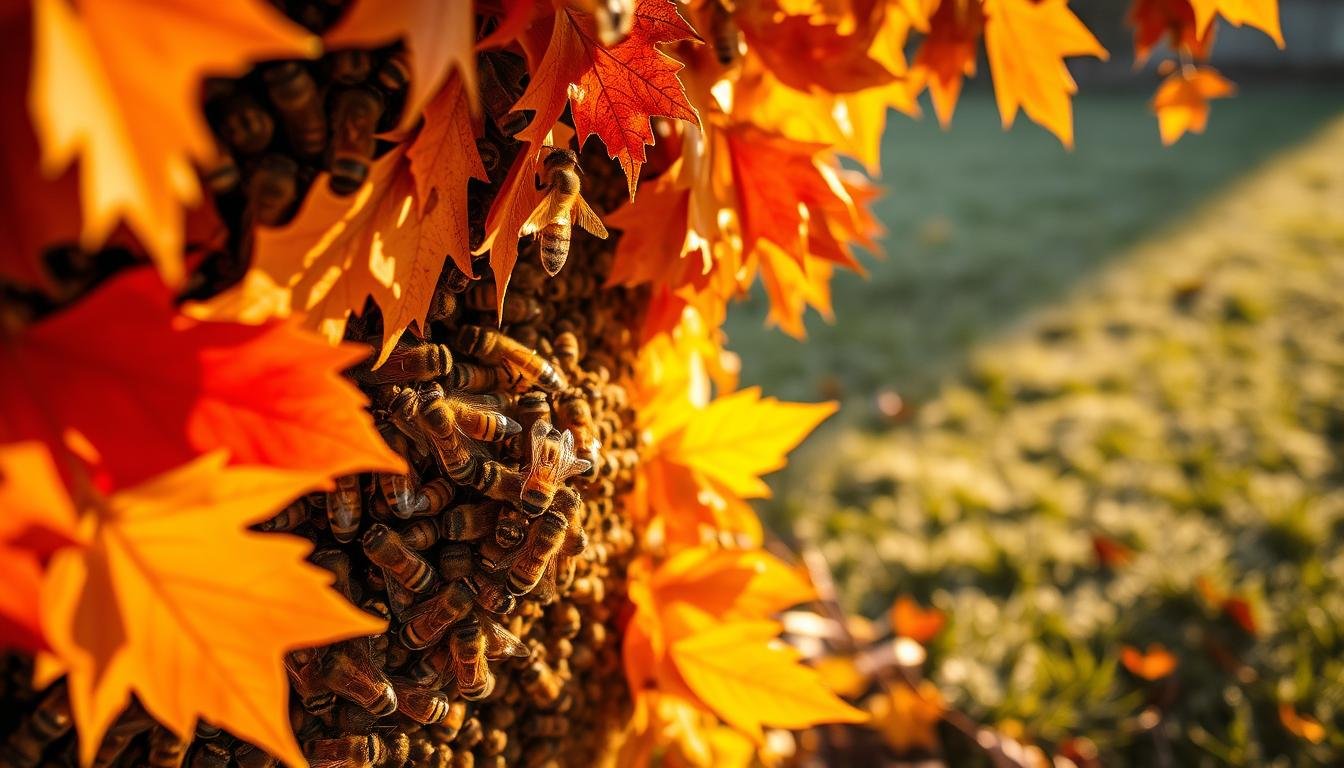
Clusters form a moving furnace. Workers shiver flight muscles to generate heat, keeping the center warm while outer bees act as insulation. This living structure balances movement and protection so the hive survives cold spells.
Outer shell and warm core dynamics
The outer shell remains relatively stationary and traps air. Inner bees rotate into the core to feed and warm up. The core holds roughly 93–100°F, which preserves brood and vital functions.
Cluster movement to reach honey
The entire cluster slowly shifts toward nearby stores when fuel runs low. Rotation prevents prolonged exposure; chilled workers move inward and refreshed bees form the shell.
Temperature realities
Center temperatures at about 93–100 degrees contrast with freezing air outside. If honey sits out of reach, the cluster risks starvation even with ample stores elsewhere. Minimal checks and a warm top board help locate the cluster without breaking the heat envelope.
| Feature | Role | Practical tip |
|---|---|---|
| Outer shell | Insulates cluster | Reduce openings and drafts at the top |
| Warm core | Heat generation and brood protection | Keep honey adjacent to brood frames |
| Movement | Tracks food | Place stores above and near the top of the cluster |
Honey stores and hive weight: reading your colony’s pantry
Weight tells a clearer story about colony health than a glance inside. Lift the back or heft the whole box to judge whether frames carry enough food. A heavy hive usually signals adequate honey stores; a light one may need attention.
What a “heavy” vs. “light” hive tells you
Heavy means the colony likely has 30–90 lbs of honey tucked away. Light means the group risks starvation and needs feeding or combining.
Typical consumption ranges and regional targets
Plan for 30–90 lbs of consumption during cold months. Northern hives often aim for 60–90 lbs to reach spring. Position honey frames above and next to the cluster so bees can reach food without wasting heat.
- Feed sugar syrup in fall while bees can process moisture.
- Switch to fondant or candy when cold weather blocks syrup use.
- Make sure the inner cover vents and a slight forward tilt prevent condensation dripping on winter bees.
“A timely heft and a small top feed can save a colony from midwinter starvation.”
For a seasonal checklist and timing, see seasonal beekeeping tasks.
Foraging winds down, then cleansing flights on warm winter days
As temperatures dip and blossoms fade, flight activity slows to occasional bursts on warm afternoons. Foraging largely stops and the colony depends on stored honey and a tight cluster. When a mild day arrives, short cleansing flights let individuals exit to relieve waste and keep the interior clean.
Limited outdoor movement is normal; light traffic on a sunny day usually signals routine housekeeping, not collapse. Watch the entrance: you may see dead‑bee removal or brief exits. Clear snow and debris so the hive breathes, but don’t widen openings and invite pests.
Avoid feeding at the landing board in cold spells. Top‑access feed keeps the cluster intact and conserves heat. Use warm days for quick top checks or to place a small emergency feed above the cluster.
- Expect reduced foraging as temperatures fall; stored honey sustains the colony.
- Observe cleansing flights on mild afternoons; they prevent waste buildup.
- Keep entrances clear and avoid entrance feeding; use top feed when cold.
Overwintering guide offers seasonal timing and tips to use these warm breaks to help hives conserve energy and prepare for spring.

Ventilation and moisture control: condensation is the real killer
A dry interior matters more than external temperature when cold weather sets in. Condensation drips can chill the cluster far faster than cold air alone. Focus on letting warm, humid air escape high and out.
Top ventilation and inner cover notches let moisture move upward away from the bees. Use a reduced bottom entrance plus a small notch in the inner cover to channel air without creating drafts at the cluster.
Practical tweaks: tilt, quilts, and covers
Add a slight forward tilt so water drains out the entrance instead of pooling. Fit a moisture quilt or absorptive material under an insulated top cover to trap humidity and vent it slowly outside.
Insulated roofs prevent warm air from hitting a cold lid and condensing above the cluster. Balance insulation with clear airflow paths to avoid trapping damp air.
- Keep the entrance clear of snow and debris while keeping the opening reduced.
- Check vents during warm spells; humidity spikes then and may need extra exhaust.
- Remember: wet bees lose heat quickly; dry bees endure extreme cold.
| Issue | Cause | Quick action |
|---|---|---|
| Drips on comb | Warm interior condensing on cold top | Add inner cover notch and moisture quilt |
| Ice at entrance | Poor drainage, no forward tilt | Tilt hive slightly forward; clear snow |
| Trapped humidity | Over‑insulation without vents | Maintain top ventilation while insulating |
Insulation and wind protection without trapping moisture
Aim to shield hives from wind while preserving steady air exchange. The goal is simple: reduce heat loss and block cold drafts, but keep the interior dry.
Use purpose-built wraps like Bee Cozy to add thermal buffering. These wraps hold heat and gain solar warmth on sunny days without sealing off vital vents.
Using wraps and roof insulation effectively
Pair a padded roof insert with controlled ventilation. Roof insulation cuts upward heat loss, while a small inner cover notch lets moist air escape.
- Keep one reduced entrance clear to allow airflow and short flights.
- Treat light snow as extra insulation, but clear any blocked vents.
- Avoid over‑sealing; trapped moisture can harm winter cluster health more than cold does.
- Use windbreaks or fences to cut prevailing gusts without enclosing the hive.
“Insulation should trap warmth, not humidity.”
For step-by-step methods to protect hives and manage ventilation, see protect hives from winter weather.
Entrance management and mouse guards before the cold sets in
A well-managed entrance balances airflow, defense, and occasional warm-day flights. Keep openings small enough to conserve heat but large enough to allow short cleansing trips and ventilation.
Replace wooden reducers early in autumn with metal mouse guards. Mice chew wood and can nest inside boxes, fouling comb and eating honey. Metal guards stop gnawing and block rodents without sealing airflow.
Reduce lower entrances to limit drafts and help hive defense. Check the inner cover notch so top ventilation complements the lower opening. After storms, clear leaves, dead bees, and snow that can clog the passage.
- Install metal mouse guards early to prevent nesting and store loss.
- Keep the lower entrance clear; remove debris and snow quickly.
- Replace any wooden reducer showing chewing damage.
- Balance protection with access so bees can take short flights on mild days.
Consider local conditions: windy or high-snow sites benefit from windbreaks and slightly raised stands. Reassess entrances after heavy weather to maintain steady airflow and protect the colony.
Small entrance tweaks often prevent large midseason losses.
Reading the debris: bottom boards and varroa trays as diagnostics
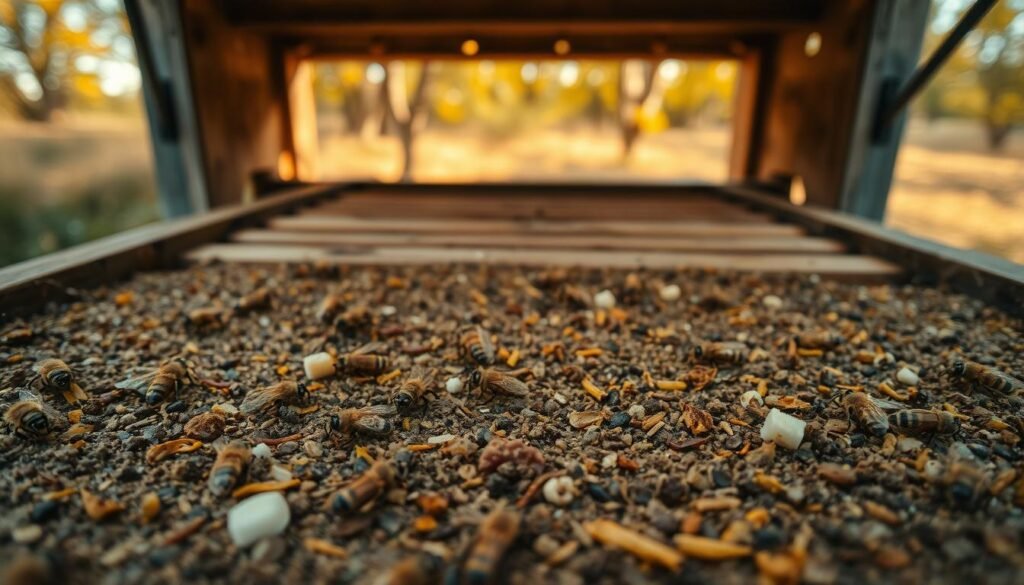
A short tray pull on a mild day gives useful clues about pests, leaks, and cluster location. A weekly walk-by often reveals tipping hives, blocked entrances, or lids blown off. Use low-impact checks to avoid chilling the colony.
What the tray shows matters. Count mites on a varroa tray to screen pressure. Note insect parts, wax crumbs and small pieces of comb: aligned crumbs point to where the cluster sits near frames and stores.
Quick diagnostics to act on
- Wax crumbs under specific frames indicate cluster location and which frames hold food.
- Sticky honey or syrup on the tray can signal cracked comb, robbing, or pests entering the hive.
- Rising mite counts call for timely varroa control to protect winter bees and long‑lived workers.
- Excess dead bodies at the entrance with deformed wings suggest mites or virus; scattered chewed heads may point to rodents.
- Ensure stands are level and covers are secure after storms; a strap or shim prevents tipping.
- Confirm the entrance path and inner cover ventilation let air escape without making drafts at the cluster.
“A fast tray pull gives more usable data than an extended inspection on a cold day.”
Decide the way forward by combining mite counts, debris patterns, and activity levels. A brief, targeted check on a warm day helps set feeding, treatment, or combining plans without disturbing the core heat of the hive.
Varroa mites and viral pressure: why autumn control is non‑negotiable
Mite control in fall determines whether a hive enters cold months healthy. Varroa feed on fat bodies and pass viruses that shorten the life of long‑lived workers. Heavy infestations entering winter often cause colony collapse more than low temperatures do.
How mites target winter bee fat bodies
Varroa consume tissues winter bees need to generate heat and resist infection. Damaged fat stores reduce immunity and endurance, so infected workers die in weeks rather than months.
Timing treatments so winter bees emerge healthy
Treat late summer to early fall, before most winter workers are reared. As brood declines, some treatments gain effectiveness; plan methods around local brood cycles and warm‑spell windows.
Monitor now: sample mite loads and track trends. High counts predict poor outcomes, so combine treatment, nutrition, and timely checks to cut viral loads and protect honey stores.
| Observation | Implication | Quick action |
|---|---|---|
| High mite count | Elevated virus risk | Apply evidence‑based treatment and recheck |
| Deformed wings in fall | Significant varroa impact | Combine colonies or treat and consolidate frames |
| Low honey, high mites | Starvation plus disease risk | Feed above cluster and reduce mite load |
“Lower overwinter varroa burdens set colonies up for strong spring growth.”
Feeding decisions when stores may need a boost
Choose feed that matches temperatures and the colony’s ability to process moisture.
Liquid sugar syrup works well in fall while bees can evaporate excess water and cure nectar. Offer syrup on warm afternoons so foragers can process it into honey and store it on frames.
Solid sugar options — fondant, candy boards, or dry sugar — are safer in deep cold. They provide calories with minimal added moisture when evaporation is limited.
Placement and practical moves
Position feed directly above the cluster under the inner cover so minimal travel keeps bees warm. Move heavy, capped honey frames from strong hives to weaker hives in late fall if needed.
- Rely on syrup in fall; switch to solid sugar as temperatures drop.
- Place food above the cluster; make sure access is easy.
- Balance moisture: use fondant or candy boards in freezing spells.
| Season | Recommended feed | Placement tip |
|---|---|---|
| Fall (mild days) | Sugar syrup (1:1) | Top feeder or inner cover feeder; aim for warm afternoons |
| Deep cold | Fondant / candy board / dry sugar | Directly over cluster under inner cover |
| Late fall | Capped honey frames | Move adjacent to cluster; minimize inspections |
“A timely, well‑placed feed prevents midseason starvation and keeps honey reserves efficient.”
Emergency interventions on cold days when starvation looms
When a hive shows light weight and bees cluster at the top bars, swift action can save the colony.
Prioritize speed over perfect conditions. If frames beside the cluster are thin, add candy, fondant, or dry sugar immediately. Solid feed works when syrup is unsafe.
Place food at the top directly over the cluster to cut travel and conserve heat. A rapid top‑in, top‑out approach keeps interruptions brief.
- Move capped honey frames closer if a short, targeted opening is feasible.
- Keep tools ready: candy boards, spacers, and scored sugar bricks speed the job.
- Avoid long inspections; close the hive fast to preserve warmth.
- Listen for a stronger hum and check access to the feed as the first sign of recovery.
- If losses are heavy, combine with a stronger hive rather than risk total collapse.
Quick, minimal interventions can save the colony even on cold days.
Reassess weight on the next suitable day and follow up with planned feeding or treatment as needed.
Quick inspections in winter: what to check without chilling bees
Start a winter inspection from outside and use sound and warmth to decide whether to open a box. A weekly walk‑by with a calm approach avoids needless stress and keeps the cluster intact.
Listening for the cluster, checking top warmth and activity
Stand at the entrance on a mild day and listen for a steady hum or purr. Rap lightly on the side; a muffled response means active bees and a healthy cluster.
Lift the cover only at the warmest part of the day and touch the top to feel heat. A quick lid pop can show candy or fondant use without a long opening.
When and how to move honey frames closer to the cluster
If the cluster sits at top bars with little honey nearby, act fast but gently. On a suitable day slide a capped honey frame adjacent to the cluster; move frames slowly to avoid breaks.
Make sure feed like fondant or candy is ready to place above the cluster if syrup is unsafe. Check moisture—wipe or swap a saturated moisture quilt so dry bees keep heat.
Keep time short: plan brief checks spaced weeks apart and record location, action, and next steps. For a step-by-step winter inspection routine, see inspect winter hive routine.
Climate variability and what it means for winter prep
Warm swings and sudden freezes force fast decisions. Mild periods can trigger activity that burns honey and shortens worker life. In regions that see 60°F days in mid‑winter, a hive may break the cluster and use stores faster than planned.
Unpredictable warm spells, premature cluster breaks, and energy loss
Expect brief booms of movement on mild afternoons. Those bursts increase consumption and can leave a colony low when cold returns. Watch weight trends and debris to spot rising use.
Adapting feeding and insulation plans in real time
- Anticipate variability: warm days can cause the cluster to split and burn extra honey.
- Monitor consumption: adjust syrup or fondant plans when activity surges.
- Adapt insulation: add wind protection but keep vents working; don’t seal the cover tight.
- Fine‑tune ventilation: tweak inner‑cover notches to balance moisture and heat.
- Prepare contingency feed: keep candy boards ready after sudden cold snaps.
“Track regional temperatures and time inspections to the safest warm window.”
Regional setup tips: hive tilt, inner cover, and removing excluders
Small, targeted adjustments help colonies manage moisture and stay united as temperatures change. A few simple setup checks in fall reduce risk and limit the need for midseason fixes.
Tilt to control drainage and condensation
Pitch the hive slightly forward so melt and rain run out the entrance. This prevents water from pooling under the top cover and dripping onto the cluster.
Use a shim or level the stand to set a 1–3° nose‑down angle. Check after storms — boards can shift and block the drain path.
Remove queen excluders so brood can move with the cluster
Take out any queen excluder before cold weather deepens. A free‑moving queen can follow the cluster as it shifts to reach food, avoiding trapped brood or isolated comb.
This keeps the colony unified and reduces the chance of brood left too far from honey stores.
Align inner cover and position frames
Match inner cover notches and holes to your ventilation plan. A centered notch or small hole lets humid air escape high while avoiding strong drafts at the cluster.
Place capped honey in the top boxes and beside brood frames so the cluster can feed without long travel. In the North, two deeps is common; in warmer southern areas a single deep may suffice depending on forage and consumption.
- Keep the entrance reduced but open for airflow and short flights.
- Confirm stands are stable so boxes do not shift and create gaps.
- Recheck covers and alignment after strong winds or heavy snow.
| Setup item | Why it matters | Quick action |
|---|---|---|
| Tilt / drainage | Prevents condensation dripping on cluster | Set 1–3° forward; recheck after storms |
| Queen excluder | Can trap brood away from food | Remove before cold sets in |
| Inner cover vents & frames | Balances moisture and food access | Align notches; place honey above brood |
“Small setup fixes in fall save time and losses during cold spells.”
Conclusion
Practical, low-impact steps now secure a hive’s chance at spring build‑up.
Keep essentials in order: confirm honey stores, control mites, and balance insulation with ventilation so condensation does not harm the cluster.
Use short inspections to listen at the entrance, feel the top for warmth, and scan debris on the tray. Place sugar or fondant above the cluster when travel becomes risky. Protect access with a mouse guard and stable cover before heavy snow.
Adapt to shifting temperatures: tweak vents, add a moisture quilt, and adjust insulation as conditions change. Healthy winter bees and protected honey stores give the colony the best chance of a strong spring.
FAQ
How early should I watch for fall cues that the colony is shifting toward winter behavior?
Begin monitoring in late summer and early fall when daytime highs drop and daylight shortens. In many temperate zones this means checking weekly 6–8 weeks before typical first hard frost. Look for reduced egg laying, less foraging, and changes in brood pattern as reliable signals to start winter preparations.
What are the clear behavioral changes that indicate a hive is entering winter mode?
Expect the queen to slow egg production and the brood nest to shrink. Worker physiology shifts toward longer‑lived winter workers with higher fat reserves. Drones get evicted or die back as pollen and nectar flows end. Foragers return less and the colony begins clustering to conserve heat.
How does clustering actually keep the colony warm?
The cluster forms an outer insulating shell with a warm core. Bees on the outside shiver to generate heat while inner bees rotate into warmer positions. The core can reach roughly 93–100°F, while air outside the hive may be at or below freezing. Cluster movement lets the colony access adjacent honey stores without breaking thermal integrity.
How do I judge whether hive stores are sufficient for winter?
Lift hives to feel weight and inspect frames in fall. A “heavy” hive with ample capped honey is more likely to survive. Typical winter consumption varies by region, but most medium hives need the equivalent of 40–60 pounds of honey in cold climates and less in milder areas. Local extension services can give regional targets.
When should I treat for Varroa to protect winter bees?
Treat in early autumn so winter bees emerge with low viral loads. Varroa feed on fat bodies and transmit viruses that weaken overwintering workers, so aim to reduce mite levels before the major production of winter bees — usually late summer to early fall depending on local brood cycles. Use tested treatments and follow label directions.
What feeding options work best when stores are low late in the season?
Use sugar syrup in fall only if brood rearing continues and temperatures allow strong bee activity. For deep winter, feed fondant, candy boards, or dry sugar placed above the cluster so bees can access it without leaving the cluster. Position supplemental feed close to the cluster and avoid liquid in freezing conditions.
How do I manage ventilation and moisture without chilling the colony?
Provide top ventilation and slight forward tilt for drainage to reduce condensation. Inner cover notches and small top openings allow humid air to escape. Moisture quilts or absorbent insulation placed above the inner cover help keep combs dry while retaining heat. Avoid sealing the hive airtight; trapped moisture is more lethal than cold air.
Should I insulate or wrap hives, and how do I avoid trapping moisture?
Insulation and windbreaks reduce energy expenditure, especially in cold, windy sites. Use breathable wraps or foam under a weatherproof outer cover and maintain ventilation paths. Leave small vents or an overhang to allow moisture to escape. Monitor hives after first storms to ensure no excess condensation forms.
Do I need to install mouse guards and when?
Install mouse guards before night temperatures regularly drop into the 40s°F and food foraging ends. Mice seek warm cavities and can damage comb and stress the colony. Use properly sized guards that allow bee traffic but exclude rodents, and remove them in spring when activity returns.
What can bottom board debris and mite trays tell me about colony health?
Debris patterns reveal cluster location, comb leakage, pest activity, and mortality. Chewed comb, fecal spots, or wood shavings suggest robbing or pests. Varroa drop counts on sticky boards provide an index of mite pressure; monitor trends in fall to guide treatment timing and assess winter risk.
How do I perform a quick winter inspection without chilling the cluster?
Limit openings to short top checks: gently lift the outer cover and feel for warm air or use an infrared thermometer to sense cluster warmth. Listen for buzzing and check for condensation under the cover. If you must move frames, work fast, keep hive entrances open, and avoid exposing the cluster to cold air for more than a minute or two.
What emergency steps can I take if a hive shows signs of starvation during cold spells?
If bees are alive but weak, provide emergency fondant or a candy board placed directly above the cluster. Use a quilt box with emergency feed and insulate the top to reduce heat loss. Move frames of capped honey closer to the cluster if weather and safety allow. Act quickly; short interventions can prevent rapid colony loss.
How do climate variability and warm snaps affect winter plans?
Unseasonable warm periods can trigger brood breaks or cleansing flights that deplete winter reserves and create energy stress if followed by sudden cold. Be prepared to adjust feeding and insulation in real time: increase stores if bees restart brood rearing and ensure ventilation to prevent moisture during warm spells.
Why remove the queen excluder before winter?
Removing the excluder allows the cluster full access to upper honey reserves. If the cluster cannot move freely through excluders, bees may starve despite ample stores. Take out excluders once brood rearing slows and before the cluster becomes established for winter movement.