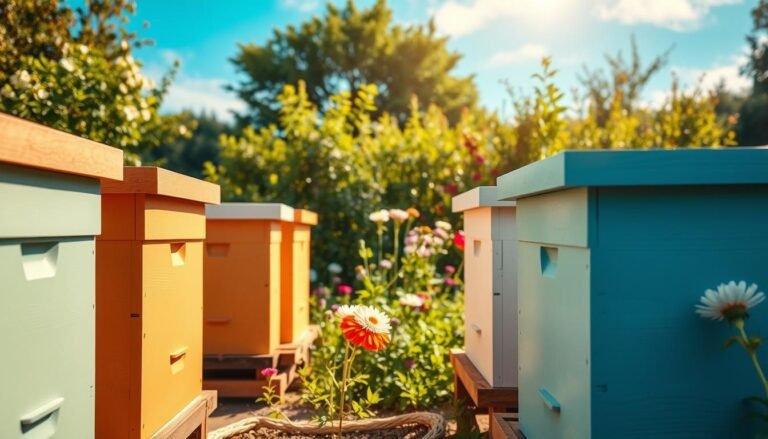
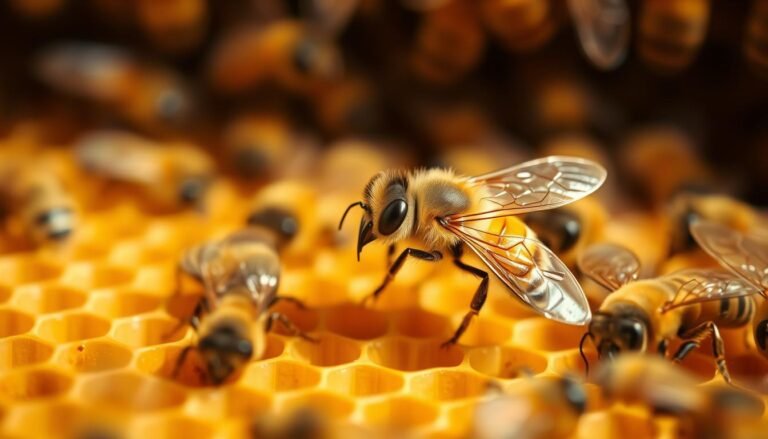
Quick checks give beekeepers a clear sense of colony vitality during routine inspections and across the seasons.
Start by watching activity at the entrance, then open frames for a closer look. A productive queen keeps order with pheromones, so marking her helps spot queen loss fast. Many managers requeen every 2–3 years to keep laying strong over time.
Look for packed frames of workers and nurse bees covering brood. Solid capped brood, single eggs per cell, and pearly-white larvae are reliable signs of good health. Stores of pollen and honey near brood show readiness for winter, but note that food alone does not prove population strength.
Use non-chemical pest controls like drone comb removal and screened bottom boards to reduce pressure and support resilience. Combine these observations rather than relying on one detail; that holistic view gives the best baseline for measuring long-term hive health.
Key Takeaways
- Watch entrance activity and frame density during inspections.
- Marked queens and scheduled requeening support steady brood production.
- Healthy brood pattern and nurse bee coverage signal strong population.
- Stores near brood matter, but population size must match food levels.
- Non-chemical pest steps help build resilience before winter.
Further reading on strong colonies and practical expansion strategies are available from trusted sources like signs of a strong colony and practical beekeeping expansion tips.
Quick external checks: entrance behavior, sound, and smell of a thriving beehive
Start outside with a brief, calm watch of the landing area on a fair day. Orderly, purposeful traffic and visible waggle or round dances mean foragers are finding nectar and communicating well. This surface check gives a quick read on population and resource flow without opening boxes.
Listen for a steady hum. A strong, even buzz and a subtle vibration through the wood signal coordinated thermoregulation and an active workforce. In cold weather, use a stethoscope to pick up cluster activity without exposing brood to chill.
Note scent and microclimate. A sweet, warm aroma and a dry, cozy feel at the entrance point toward proper fanning and moisture control. Excess damp or sour odors can warn of problems that threaten comb and honey stores.
On calm spring or late-winter days, timed cleansing flights and minimal debris near the hive show good hygiene and resilience. For more detailed external indicators, see hive health indicators.
Inside the hive: frames, brood, and food stores that signal hive health
Open frames near the center of the box and watch for consistent coverage across multiple combs. This quick, calm check shows how well the colony organizes brood and stores.
A strong, healthy queen with attentive courtiers
Locate the queen or observe her entourage. Numerous attendants grooming and feeding her mean strong pheromone output and vigor.
Requeening every 2–3 years keeps laying robust and supports steady growth.
Solid brood pattern with pearly-white larvae in single-egg cells
Inspect several frames for a compact brood pattern. Most cells should hold single eggs or sealed brood in an orderly layout.
Healthy larvae appear pearly white and neatly curled. Spotty coverage, discolored brood, or holes demands immediate attention.
Abundant honey and a rainbow of pollen stores near brood
Check that honey and pollen sit close to the brood nest for quick nurse access. A varied pollen palette supports stronger larval growth.
Well-capped honey stores beside brood help sustain feeding during lean periods.
Clean, stable comb and well-sealed woodenware with propolis
Look for straight, well-drawn comb and an even propolis patina sealing gaps. These signs point to good hygiene and structural integrity.

- Balance of worker bees on brood frames indicates nursing capacity.
- Combine visual cues rather than rely on one single marker.
- For more on strong colonies, see signs of a strong colony.
How to Tell If a Hive Is Healthy During Inspections
Start an inspection with a quick visual of brood frames to estimate workforce strength.
Population clues: Gently tilt an outer frame and note whether nurse and worker bees densely cover brood combs. Dense coverage shows the colony can rear larvae and cope with changing weather.
Heft and weight checks: Lift the back of the box or weigh supers with a luggage scale to measure reserves. A light feel signals urgent feeding needs; steady or rising weight indicates good honey stores and active foraging.
Listen in cold weather: On chilly, windy days avoid opening the hive. Use a stethoscope and listen for the steady cluster buzz that marks winter life without risking brood chill.
“Solid brood patterns and single eggs per cell count far more when enough workers exist to feed and warm developing bees.”
| Quick check | What it shows | Action if poor |
|---|---|---|
| Frame coverage | Population strength | Reduce inspections; consider requeening or feeding |
| Heft/weight | Honey stores estimate | Add syrup or move frames |
| Stethoscope listen | Cluster activity in winter | Delay opening; monitor remotely |
Cross-reference brood quality, queen output signs, and nearby food on frames. Record each visit so trends emerge and small problems get fixed before they grow.
Pests, diseases, and damage: what shouldn’t be in a healthy hive
During inspections, swift scans for mites, beetles, and webbing prevent minor problems from growing.
Spotting Varroa, small hive beetles, and wax moths means checking brood and frames carefully. Look for mites on bees or near pupal cells, beetles skittering in corners, and silky webbing or frass that shows moth damage. Strong colonies can often hold low pest levels, but rising counts will harm combs, stores, and brood.

Non-chemical controls work well for many beekeepers. Rotate and freeze drone comb to reduce mite loads. Fit screened bottom boards for better ventilation and lower parasite pressure. These steps help cut medication reliance while supporting colony resilience.
Outside red flags include rodent tunnels, woodpecker holes in boxes, messy feeder areas, and pooling water after snow melt or heavy rain. Flooding and entry damage can cripple winter and spring recovery. Use a stethoscope in cold weather to check cluster buzz without opening boxes.
For seasonal checks and tasks, see seasonal beekeeping tasks for timing and practical steps.
Conclusion
Finish every check by noting brood cohesion, varied pollen, honey reserves, and any pest signs. This short review shows whether the queen remains vigorous, worker bees meet demand, and the colony can meet seasonal needs.
Keep inspections structured. Pair external reads — entrance activity, steady hum, warm sweet scent — with internal checks of comb, stores, and cell pattern. Use heft and a stethoscope in cold weather rather than long openings.
Record findings and close with a checklist: queen status, population level, brood pattern, pests present or absent, and equipment issues. For deeper reference and reading, consult our beekeeping resources at practical beekeeping guides.
FAQ
What external signs show a thriving colony at the entrance?
Busy, purposeful traffic with workers carrying pollen and nectar, visible waggle dances, and coordinated guard activity indicate strong foraging and good orientation. Minimal sluggish or disoriented bees at the landing board is also a positive sign.
What should I hear and feel when near a vigorous beehive?
A steady, robust buzz with a consistent vibration during inspections means the population is active and cohesive. Bees will fan at the entrance on warm days, producing a warm, slightly sweet scent and balanced humidity.
How does hive odor reflect colony condition?
A sweet, warm aroma signals healthy stores and brood. Foul, rotten, or overly fermented smells suggest disease, decaying comb, or stored-feed problems that need immediate attention.
What seasonal behaviors are normal outside the box?
Regular cleansing flights in cool or wet weather and little debris around the base are normal. Excessive dead bees, spotty droppings, or abandoned comb on the ground point to problems like pesticides or disease.
How can I confirm the queen’s strength during an internal check?
Look for a defined brood pattern with larvae at different ages, consistent care from nurse bees, and few signs of emergency queen cells. Presence of eggs in single cells confirms egg-laying within the last few days.
What does a solid brood pattern look like?
A good pattern shows contiguous capped brood cells with pearly-white larvae and few empty cells interspersed. Spotty or patchy brood often signals queen issues, disease, or nutritional stress.
Where should honey and pollen be stored relative to brood?
Healthy colonies keep abundant honey and varied pollen stores close to the brood nest for easy feeding. Noticeable gaps, light stores before dearth periods, or exclusively sugar syrup indicate supply problems.
What indicates clean comb and good hive maintenance?
Uniform comb with minimal burr comb, well-sealed woodenware with propolis where needed, and absence of mold or excessive darkening means good hygiene and regular management.
How do population levels show hive vigor during inspections?
A dense cluster of nurse and worker bees covering brood frames demonstrates adequate population. A small or thinning workforce, especially during spring buildup, suggests queen, disease, or resource issues.
How can I estimate honey stores without full removal of frames?
Weighing supers or hefting the full hive gives a quick gauge of stores. Hefting works well for experienced beekeepers; use hive scales for precise, repeated measurements to track seasonal trends.
When is listening with a stethoscope helpful?
In cold weather when inspections risk chilling brood, use a stethoscope or quiet listening at the entrance to assess activity. A low, steady sound suggests continued brood care; silence may mean queen loss or collapse.
What pests and signs should trigger immediate action?
Visible Varroa mites on bees, small hive beetle adults or larvae, and wax moth webbing inside comb require prompt control. High mite drops on sticky boards or deformed wings on workers demand treatment or management changes.
What non-chemical controls reduce parasite pressure?
Techniques like drone comb removal, screened bottom boards, brood breaks, and hygienic stock selection help lower parasite loads without chemicals. Integrated pest management combines monitoring, mechanical methods, and selective treatments.
What external damage indicates an unhealthy apiary site?
Signs such as rodent chewing, woodpecker holes, flooding of the stand, or entrance blockages compromise ventilation and security. Address site protection and hive placement promptly to prevent colony stress.