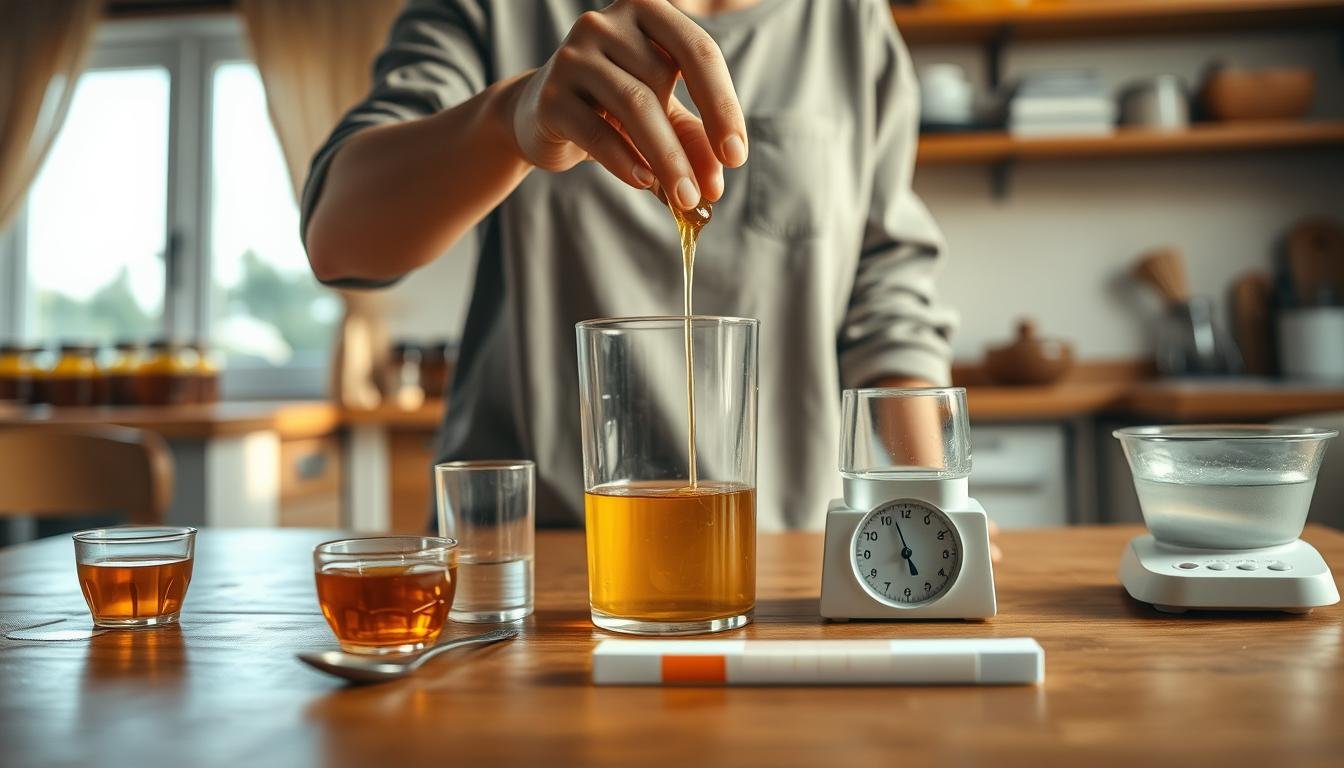
This guide gives a clear, practical overview of simple steps you can use right in your kitchen to screen a jar before trusting it for daily use.
Start with quick checks that use a clear glass of water, a piece of paper, and careful observation of texture and aroma. These household checks offer useful clues about density, behavior in water, crystallization, flame response, and reaction to heat.
Expect directional results rather than final answers. Consumer guides describe water‑settling, thumb viscosity, paper absorption, heat caramelization, and flame checks as handy initial screens. For deeper confirmation, industry standards and lab methods like NMR profiling or chromatography provide reliable answers; see an analysis of grading standards here.
With a crowded market and varied labels, quick DIY checks can save time and money and help shoppers spot inconsistencies before buying again. For stepwise at‑home procedures and simple explanations of each check, this photo guide is a useful reference: simple home checks.
Key Takeaways
- Use basic kitchen checks first for quick clues on quality and consistency.
- At‑home methods are directional; professional tests confirm authenticity.
- Look for density, crystallization, aroma, and heat reaction as main cues.
- DIY checks can reduce waste and guide smarter purchases in the U.S. market.
- Keep tests safe, repeatable, and free of risky chemicals.
Why Honey Purity Matters Today
Consumers face a real choice: raw product with active enzymes or a diluted version with added syrups. That choice affects flavor, nutrition, and daily use.
Purity for most buyers means fewer outside substances and limited processing. Minimal handling helps preserve natural aroma, enzymes, and antioxidant properties that many seek for wellness and culinary uses.
Adulterated honey may include added water, sugar syrups, starches, or alkaline substances. These changes reduce native enzymes and can alter behavior in simple kitchen checks. Such alterations also mask true texture and taste.
Food safety and perceived benefits are linked. People pick jars partly for health claims. When a product is diluted, expected antibacterial or antioxidant benefits can drop.
- Sensory clues: pure jars usually show richer aroma and layered flavors; diluted ones taste flat.
- Functional cues: additives change how the product responds to water, heat, and acid tests.
- Market context: varied supply chains and standards make sourcing and verification important.
| Aspect | Pure Product | Adulterated Product |
|---|---|---|
| Flavor & Aroma | Nuanced, floral or woody notes | Flat, single-note sweetness |
| Functional Properties | Viscous, slow dissolve, enzyme activity | Thin, quick dissolve, reduced enzymes |
| Common Additions | Minimal processing, clear origin | Water, sugar syrups, starches, alkaline substances |
| Consumer Action | Prefer transparent sourcing and third-party verification | Use multiple checks and consider lab confirmation |
Bottom line: combine sensible observations with buying strategies that favor clear sourcing and verified labels. That approach helps protect health goals and ensures better quality at grocery shelves in the United States.
Quick-Start: Simple Kitchen Tests to Try First
A handful of quick, safe checks can flag jars that need closer review. Begin with small samples and note each observation. Keep tests repeatable and avoid using large amounts.
Water in a clear glass
Procedure: add a spoonful into room-temperature water and watch behavior. If the sample sinks and stays cohesive, that suggests greater density. If it disperses quickly, mark that as a caution.
Paper or blot check
Place a tiny amount on plain paper or tissue. A quick wet ring or fast absorption often points to added moisture or thin syrups. No ring is a better sign.
Heat and brief caramelization
Warm a small portion gently. Pure, denser samples usually darken and thicken steadily. Vigorous foaming or excessive bubbling can indicate thinning agents.
Thumb or finger drop
A slow, compact drop that holds shape shows thicker composition. A fast, runny drop that spreads may be reason to examine the jar further.
Notes on flame-style checks
Some guides mention a small ignition check as an indicator of moisture. Only consider this if you can do it safely; results are not definitive.
| Quick method | What to watch | Action if odd |
|---|---|---|
| Water in glass | Sinking and cohesive vs dispersing | Retest; compare jars |
| Paper blot | Wet ring or quick absorption | Avoid use; consider lab options |
| Heat check | Steady darkening vs foaming | Stop heating; save sample |
| Thumb drop | Slow, compact drop vs runny spread | Note texture; check label and source |
Keep a short log of water behavior, paper absorption, heat response, and flow. If clues seem mixed, move on to the step-by-step methods and consult resources like the types of honey guide for context.
How to Test Honey Purity at Home: Step-by-Step Methods
Use simple kitchen steps that reveal texture, moisture, and additives without special equipment. Start with small samples and keep notes for each trial.
Water method explained
Place a measured spoonful into room-temperature water and watch movement. If the sample stays as a cohesive mass and sinks near the bottom, that often signals higher density. If it breaks up or honey dissolves quickly, note possible added water.
Vinegar mix test
Mix a tiny bit with diluted vinegar and add drops while stirring. Persistent fizzing or foaming may indicate alkaline fillers such as chalk or starch.

Flame check (handle with care)
Brief flame checks reflect moisture: drier samples may ignite; moisture-heavy jars resist burning. Only perform this outdoors with caution; results are directional, not definitive.
Paper and heat cues
Place a thin smear on plain paper and watch for wet rings or rapid absorption. For heat, warm a teaspoon gently and observe caramelization. Pure samples darken steadily; aggressive bubbling can show added syrups.
Visual and aroma cues
Look for slow flow, thickness, and layered floral or earthy scent versus a flat sweet smell. These senses help confirm or question the other checks.
Skip complex reagents: avoid acids, solvents, or lab chemicals in the kitchen. They are unsafe and unreliable outside a certified lab.
Understanding Results: Signs of Pure vs Adulterated Honey
Simple sensory checks can point toward authenticity, but patterns matter more than a single result. Use the household observations you already made and compare them for consistency. A few repeated cues give stronger evidence than one isolated reaction.
Positive indicators
- Heavier density: a sample that sinks and stays cohesive in water often matches expectations for pure honey.
- Slow dissolve: gradual mixing and steady caramelization with minimal foaming usually align with a purer product.
- Stable on blotting media: no quick wet ring or rapid absorption suggests less added moisture or sugar syrup.
Red flags to notice
- Rapid spread or quick dissolution in water can indicate dilution or added sugar syrup.
- Fizzing when mixed with a mild acid or visible wet rings on paper point toward extra water or fillers.
- A flat, single‑note aroma and inconsistent mouthfeel often accompany suspect jars and warrant closer scrutiny.
When results are mixed or unclear
If clues conflict, repeat the procedures on another day. Keep sample sizes, water volume, and temperature consistent for fair comparison.
Remember: one odd reaction does not prove fake honey. Natural variation, floral source, and storage can change behavior. Look for patterns across several checks and consider expert resources such as a short guide to spot signs of purity or a labeling and production guide when you need more certainty.
Limits of DIY Tests and When Lab Testing Makes Sense
Home observations can point out odd signs, but they do not prove composition. Natural variation, floral source, and storage change simple cues. A jar that fails a kitchen check may still be genuine; a jar that passes might hide subtle additions.

Why at‑kitchen checks aren’t foolproof
Small amounts of added syrups or sugars can evade household methods. Temperature, age, and crystallization also alter results.
What modern labs reveal
Advanced analysis uses targeted techniques like NMR profiling and chromatography. These methods detect added sugars, map botanical origin, and identify unusual substances that kitchen checks miss.
- When to seek certified analysis: for premium culinary uses, labeled types, or regulated claims.
- What labs provide: definitive composition, adulterant detection, and origin data.
Takeaway: use kitchen checks as a first pass. If questions remain about purity, certified laboratory testing offers the conclusive evidence you may need.
Buying Better: How to choose quality honey in the U.S. market
Buying well begins with clear labels and seller transparency. Pick jars and listings that name origin, floral variety, and handling steps.
Look for transparency
Prefer producers that publish sourcing regions, harvest dates, and simple ingredient lists. A product that excludes added sugar and offers batch notes inspires more confidence.
Certifications and labels
In the U.S., USDA Organic adds value when paired with lab summaries or third-party testing disclosures. Check that labeling is specific, not vague marketing copy.
Packaging and storage cues
Choose glass jars when possible; glass helps preserve aroma and limits interaction. Treat crystallization as a natural change, not spoilage.
Price and brand reputation
Very low prices or bold purity claims from unknown sellers merit caution. Balance brand history, reviews, and transparency before buying.
| What to check | Why it matters | Buyer action |
|---|---|---|
| Sourcing and harvest notes | Shows traceability and seasonal flavor | Prefer named regions and dates |
| Certification & lab info | Supports claims about composition | Look for USDA Organic and test summaries |
| Packaging (glass vs plastic) | Glass preserves aroma and quality | Choose glass for long-term storage |
| Price & seller reputation | Very low cost can signal compromise | Weigh reviews and brand transparency |
When in doubt, consult resources that outline common signs; one useful reference can help you spot signs of purity.
Myths, Misconceptions, and What “Pure” Really Means
Some visible shifts in texture reflect origin and storage, not adulteration. Crystallization often signals natural glucose settling and cooler storage temperatures. It is normal and not a sign the jar has spoiled.
Observe over time: repeat a couple of simple checks across days rather than relying on a single quick result. Timing and temperature influence outcomes, so compare behavior after short rest periods.
Crystallization is natural
When nectar has higher glucose, solids form crystals as the product ages. Gentle warming will re-liquefy it without harming flavor or aroma.
Why one check can mislead
A lone method may point the wrong way. Combine several simple ways—water behavior, blot checks, and mild warming—to build confidence about whether a jar matches your expectations.
| Signal | Common cause | Recommended action |
|---|---|---|
| Crystals | High glucose, cool storage | Warm gently in a water bath; avoid overheating |
| Quick spread on paper | Added moisture or thin syrups | Repeat checks on another day; compare jars |
| Flat aroma | Over-processing or long storage | Prefer clear sourcing and labeled batches |
Reframe purity: view pure honey as a mix of natural composition, minimal processing, and transparent sourcing. That perspective is more useful than a single pass/fail mark.
Safety and Best Practices for Home Honey Testing
Small, consistent steps protect people and pets while yielding repeatable results. Before you begin, clear a workspace and keep flammables and curious hands away. Use small samples and common kitchen items to reduce risk and waste.
Handling heat and flame safely during tests
Avoid open flames near curtains, aerosols, or alcohol. If you perform a flame test, work outdoors and use a shallow metal dish. Heat only tiny amounts and have a lid or extinguisher nearby.
Time, temperature, and test conditions that improve accuracy
Use room-temperature water and clean glassware for consistent results. Standardize the amount and timing for each drop and write them down.
- Add drops carefully when using vinegar mixes and note how many you used.
- Let samples settle before judging behavior on paper or in water.
- Clean tools between trials to avoid cross-contamination.
| Practice | Why it matters | Quick action |
|---|---|---|
| Small samples | Limits fire and waste risk | Use teaspoons |
| Consistent timing | Improves repeatability | Use a timer |
| Clean tools | Prevents false readings | Wash between trials |
Conclusion
Wrap up your checks with a calm, repeatable routine. Use a single spoonful for core observations: a drop in water, a tiny blot on paper, gentle warming, and a mild vinegar mix. Keep notes after each try.
Look for a balanced set of signs: sinking and slow mixing, a tight paper spot, steady caramelization, and limited foaming. If a vinegar mix foams while spread is fast or the jar dissolves quickly, suspect added syrup or water.
Home methods give practical screening, not conclusive proof. When several checks raise concerns about sugar syrup or additives, consider switching brand or seeking lab confirmation. For more on adulteration and lab limits see check if honey is pure, and for supply context read beekeeping benefits.
Small steps, clear records. Repeat tests, compare jars, favor brands with transparent sourcing. That approach protects flavor, value, and trust over time.
FAQ
What simple kitchen checks show whether a jar contains real honey?
Use a clear glass water test: drop a spoonful into water and watch whether the syrup sinks as a single mass or disperses quickly. Also try the paper blot check by placing a small drop on absorbent paper—pure product stays cohesive and won’t spread or soak through rapidly. A thumb drop gives a quick feel for thickness and flow.
What does rapid dissolving in water usually indicate?
Fast dissolution often signals added sugar syrups or excess water. Genuine honey is dense and tends to settle or form a slow-moving column. Quick spreading or cloudy mixing suggests adulteration or thinning with liquid sweeteners.
How reliable is the vinegar or acid mix for ruling out additives?
Mixing a little vinegar or diluted acid can reveal alkaline contaminants by producing light foaming. It’s a low-cost screening tool but not definitive; some natural variations cause mild fizzing, so use this alongside other checks.
Can I use a flame test safely to assess moisture content?
A small flame test—heated on a spoon—can hint at moisture: pure honey tends to caramelize rather than sputter. Exercise caution: work over a safe surface, keep hair and flammables away, and avoid heating sealed containers or microwaving. This is a rough indicator, not a lab result.
Does crystallization mean the jar is fake or spoiled?
No. Crystallization is a natural process for many floral types and often indicates minimal processing. Stirring or gentle warming in a warm water bath restores smoothness without quality loss. Clear, liquid appearance alone isn’t proof of purity.
What visual and aroma cues help assess quality?
Look for consistent color and minimal cloudiness; watery rings at the jar edges or surface bubbles suggest dilution. Aroma should be floral or plant-like, not chemically sweet or off-smelling. Texture that’s uniformly thick and slow-flowing often points to authentic product.
When should I consider professional lab testing instead of home checks?
If results are mixed, you’re buying in bulk, or you require certification for resale, opt for lab analysis. Techniques like nuclear magnetic resonance (NMR) and chromatography identify specific adulterants and provide legally defensible reports.
Are there chemical checks I can perform without a lab?
Most reliable chemical assays require equipment. Home-friendly screens—water, paper, vinegar, gentle heat—help triage suspect jars but won’t detect all syrups or processed sweeteners. For definitive answers, send a sample to a certified lab.
How should I choose higher-quality jars on store shelves?
Favor brands with clear sourcing, ingredient lists, and reputable certifications such as USDA Organic when relevant. Glass jars preserve flavor and reveal crystallization; be cautious of unusually low prices or vague “pure” claims from unknown labels.
What safety tips apply during these checks?
Keep tests small, avoid direct flame near plastic or loose clothing, and don’t taste if the sample appears spoiled or has a chemical odor. Use clean utensils and surfaces to prevent contamination and wash hands after handling samples.
If home checks give mixed results, what practical steps should I take?
Compare multiple simple tests, review the label and seller reputation, and if concerns persist, request a lab analysis or return the product. For purchases from reputable beekeepers, ask about harvest date, floral source, and processing methods.
What common myths about authenticity should buyers ignore?
Ignore claims that liquid form always equals fake or that a single household test is conclusive. No single home method detects every additive. Combine sensory checks and seller research for the best practical assurance.