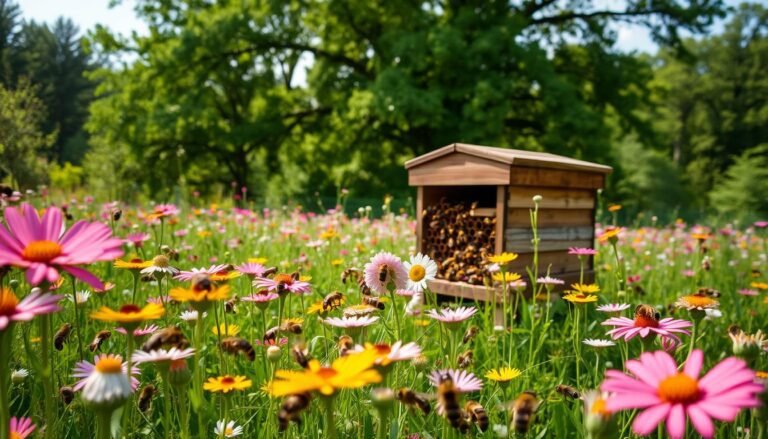
Practical care of colony equipment starts with a clear assessment after a deadout. You can often reuse gear if you rule out American Foulbrood or chemical contamination.
Avoid bleach and harsh solvents on comb, since bees will clean mold and crystallized honey once they move in. Leave propolis where it does not block frame rests, and focus on parts that affect movement and seal.
Very old dark brood frames should be replaced after several years. Minor surface chips on poly boxes about 5mm deep can be ignored or filled with a water-cleanup filler and fully cured before reuse.
Wax moth pocks inside wood are often cosmetic; light scorching reduces spore load. Unstable knots or holes need water-cleanup wood filler, a full cure period, then sanding so parts fit during inspections.
Read a practical expansion and timing guide at beekeeping expansion tips for planning repairs ahead of spring build-up.
Key Takeaways
- Check for disease before reusing any equipment and avoid harsh cleaners on comb.
- Focus on function: frame movement and seals matter more than cosmetic smoothness.
- Replace brood frames older than four years; minor surface flaws can be left or filled.
- Allow fillers and glue a full cure period—plan lead time so parts are ready for spring.
- Lightly scorch interiors for spore reduction; use wood filler for structural holes.
Assess damage and safety before you begin: disease, poisoning, and what can be reused
Begin with a calm, systematic inspection of the dead colony and its gear. Look at the brood area and the floor of cells for dark AFB “scales.” If you see possible scales, stop and contact a State Bee Inspector or University Extension for confirmation before reusing frames.
Pesticide events are uncommon. Crawling or twitching bees near the entrance in warm weather suggests chemical exposure. Most silent winter losses trace back to varroa, starvation, or cold rather than poisoning.
Brush away loose dead bees on bottom boards and between frames, but don’t pull corpses from cells. A living colony will clean those bodies more thoroughly.
- Keep crystallized honey in comb as a winter feed source.
- Scrape brown feces lines gently from comb faces and top bars.
- Replace only the darkest brood combs older than about four years.
“If you suspect disease, preserve samples and seek expert guidance rather than guessing.”
Plan your time. Avoid bleach or solvents on comb and decline used gear from unknown hives; preserving the diagnostic trail helps your family of colonies in future seasons.
Gather the right tools and materials for hive box repairs
Assemble a small set of hand tools and gentle fillers before any work on brood equipment. A tidy kit keeps each box, frame, and cover organized and reduces the chance of a misplaced piece.
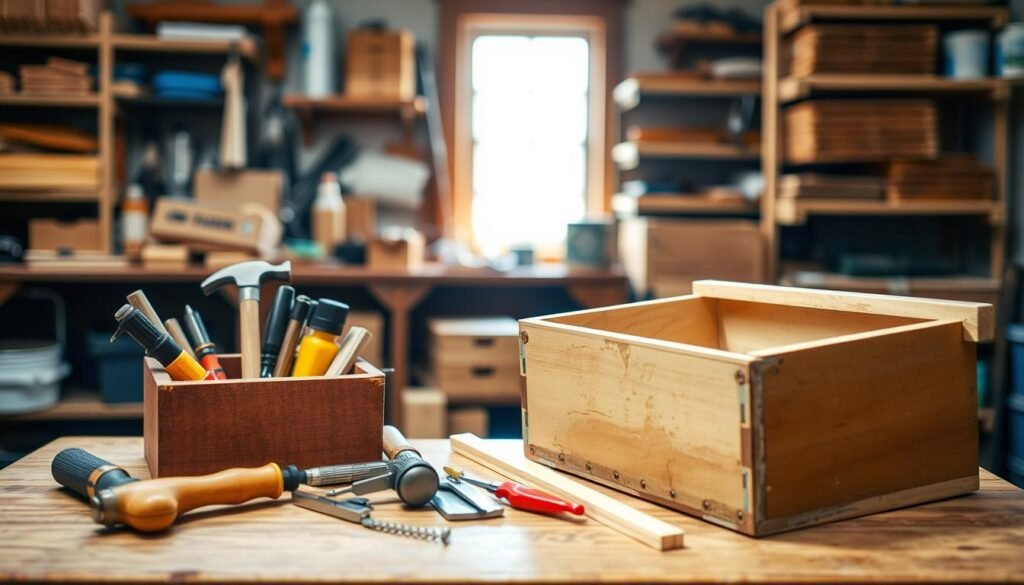
Wood vs. poly: choose appropriate fillers
Poly boxes tolerate only light cosmetic work. Small 5mm chips on Abelo Poly can be left or smoothed with a low-VOC cosmetic filler. Avoid solvents that soften the plastic.
Wood components accept water-cleanup wood filler for loose knots or holes. Spot-fill only where structure is affected, allow a full cure (often up to a month), then sand so frames run square.
Protective gear and timing
Work with gloves, eye protection, and a dust mask. Choose low-odor, water-based products so bees won’t encounter off-gassing when the colony returns.
- Do repairs in winter when boxes are empty and humidity is low.
- Keep the inside surface mostly natural so propolis can be re-applied by the colony.
- For sanitation, a light scorch of wood reduces spores; never torch poly.
frame repair notes and a practical restoring your beehive guide offer further material choices and timing tips.
How to repair damaged hive boxes: a practical, step-by-step guide
Start simply and work in short, focused sessions. Lift frames and assess each side of the box before any filler or sanding. Small steps save time and keep pieces organized.
Surface clean-up
Start by removing frames and clearing the ledges so every frame moves freely. Scrape propolis from the frame rest ledges but leave a thin sheen on interior walls; bees benefit from that natural layer.
Trim bumpy wax on top and bottom bars so the stack sits flat and frames above do not stick to frames below.
Minor wood surface fixes
Sand lightly where the surface is rough. Apply a water-cleanup wood filler to small knots or holes and allow a full cure before sanding flush.
Structural evaluation and fixes
Check for side splits, delaminated rabbets, or a spongy floor. If a bottom board is rotten or joints are failing, replace the piece rather than reinforce it for short-term use.
Poly touch-ups and sanitizing
For poly, keep changes minimal; a 5mm chip is often cosmetic. Use a low-odor cosmetic filler sparingly and never use solvents that attack plastic.
Lightly scorch wooden interiors and edges with a brief pass of a torch to reduce spores. Avoid torching poly or weakening corner joints.
“Avoid bleach or solvents on frames and comb—residues harm new colonies and are unnecessary.”
- Batch small fills, then set boxes aside for the full cure time.
- Reassemble and test-fit frames for side clearance and lift before storing.
- When in doubt about structural integrity, choose replacement over patching.
For recommended tools and timing, see our guide on essential tools and equipment.
Finishing, reassembly, and smart storage to protect your repairs
Finish each repaired unit by test-fitting a full complement of frames so everything moves freely during inspections.
Scrape excess propolis from the frame side bars so each frame seats tightly across the shoulders. Keep a thin layer of propolis on interior walls; that small amount helps colony hygiene and reduces pathogens.
Allow any fillers and touch-up finishes plenty of time to cure before stacking. Trapped solvents in a tight stack can linger and annoy bees when the hives return to service.
Ventilated storage that prevents mold and pests
Store tidied frames vertically inside proper hive bodies with airflow, not inside sealed plastic totes. An inverted screened bottom board at the base of the stack improves ventilation and deters mice.

“Use cold winter storage to suppress wax moths; bring equipment into service with an active colony as temperatures rise.”
- Replace bottom boards that are soft or rotten rather than reinforcing them; failures worsen over years.
- Label each stack with the repair date and note frames for rotation in future seasons.
- Store stacks off the floor on a pallet and strap them so wind or critters can’t tip them over.
| Storage Method | Ventilation | Best Use |
|---|---|---|
| Stacked hive bodies with screened base | High — passive airflow through frames | Winter/outbuilding storage; moth and mold reduction |
| Sealed plastic tote | Low — traps moisture | Not recommended; risks mold and wax issues |
| Open ventilated shed with pallet | Medium — good airflow, protected from rain | Best for long time storage and pest exclusion |
| Indoor heated storage | Variable — may allow moth activity | Use only for short-term, monitored items |
Before spring installations, do a final fit check of frames and side clearances. Confirm that any wax cleanup preserved bee space so the first inspections of the new colony go smoothly.
For recommended gear and airflow tips, see this best beehives guide and our ventilation overview.
Conclusion
A measured final check turns winter work into a spring advantage for bees. Assess every piece for disease risk, favor replacement over risky fixes, and leave crystallized honey and mild mold for the next colony to reclaim.
Keep fixes minimal and focused. Tidy frame interfaces so frames lift freely, fix any structural piece that may fail, and allow full cure time for fillers before stacking.
Store units ventilated on a screened base and rotate the darkest comb over years. With careful timing and simple, durable fixes you protect the bee microbiome and speed a colony’s rebuild.
In beekeeping, practical care of frames and a sound box matters more than a perfect finish. Treat this work as stewardship of your apiary family and a way to get strong ones back into production come spring.
FAQ
What signs indicate serious colony disease before I start work?
Look for sunken, perforated brood cappings, foul odour, and patchy brood patterns. American Foulbrood and European Foulbrood leave distinct brood damage. If you suspect AFB, isolate frames and contact your state apiarist; burning infected comb is often required. Do not reuse suspect wax without laboratory confirmation.
How can I tell if loss was due to poisoning or normal winter decline?
Poison events usually show a sudden mass die-off near hive entrances, dead bees with unusual colors, or multiple dead colonies in the same area. Winter losses are gradual and often leave clustered bees and intact comb with stored honey. Inspect surrounding apiaries and recent pesticide applications when in doubt.
Which components are worth salvaging from a dead colony?
Frames with clean, uncapped honey and comb in good condition can be reused after freezing or sanitizing. Solid plastic or undamaged wooden frames are preferable. Dispose of old, brittle wax and any comb with brood disease signs. Honey for human consumption must meet local rules if from a deadout.
What tools and materials should I gather before starting repairs?
Bring a stiff scraper, sandpaper (coarse and fine), food-safe wood filler, waterproof exterior wood preservative, replacement nails or screws, and a small saw for cuts. Include protective clothing, a smoker, bee brush, and a thermometer to choose the right time for work.
When is the best time for maintenance and why?
Late winter or early spring while colonies are small or in-between active seasons is ideal. Cooler weather limits bee activity and allows fillers and paints to cure. Avoid work during heavy nectar flows or peak brood times to reduce colony stress.
How should I treat minor surface wear on wooden equipment?
Scrape off propolis and loose wax, sand rough spots, clean with a damp cloth, then fill gaps with a beesafe wood filler. Let filler fully cure, sand smooth, and apply a breathable exterior finish. Avoid over-smoothing interiors that bees rely on for anchoring comb.
What fixes are needed for structural wood damage like splits or rotten bottoms?
Small side splits can be reinforced with wood glue and screws; major rot or compromised floorboards require replacement. Ensure joints are tight and square so frames sit properly. If more than 30–40% of a box is rotten, replace the box to avoid opportunistic pests.
Can poly equipment be repaired, and what precautions are required?
Small chips and cosmetic damage can be filled with compatible plastic fillers or epoxy formulated for plastics. Avoid strong solvents that release fumes bees dislike. For major cracks, replacement is often more economical and ensures long-term hive integrity.
How can I sanitize without harsh chemicals to reduce spore loads?
Light scorching with a propane torch on interior surfaces can reduce surface spores and wax moth larvae without leaving residues. Freezing removable comb and frames at -20°F for 48 hours also kills pests. Never use household bleach on comb or honey storage areas.
What common mistakes should I avoid during maintenance?
Don’t over-sand interior surfaces, avoid bleach and harsh solvents on any comb or wood that contacts bees, and don’t reintroduce visibly infected comb. Also avoid tight sealing that blocks ventilation; bees need air movement to regulate moisture and temperature.
How do I ensure rebuilt boxes fit and work well with existing frames?
Check frame rests and side bars for straightness, sand or shim small misalignments, and verify frames turn freely. Maintain natural propolis where it supports fit, but remove excessive build-up that prevents proper frame placement.
What storage practices protect repaired equipment over winter?
Store boxes stacked off the ground in a ventilated, dry space. Use breathable covers and keep them sealed from rodents and large pests. Add moth traps or use freezer treatment for used comb before storage to deter wax moths and other pests.
When should I discard old wax and foundations?
Replace foundation that is dark, brittle, or exceeds five years of use. Old wax accumulates pesticides and pathogens. If wax shows webbing, holes, or strong moth activity, remove and replace it promptly to protect future colonies.