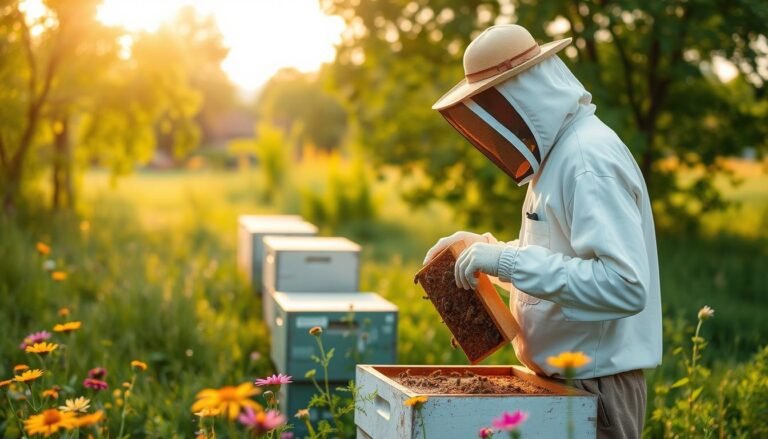
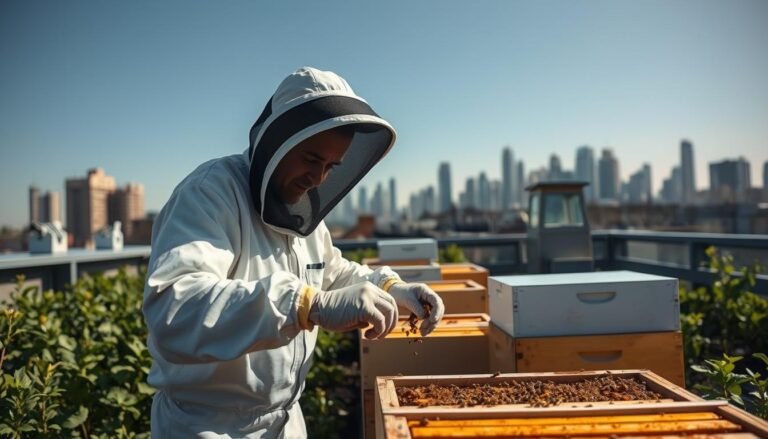
Quick snapshot: this guide shows how honey as found in the hive contrasts with jars made for store shelves. We outline handling steps like pasteurization, filtration, and ultrafiltration and their effects on taste, texture, and nutrients.
What to expect: learn which types keep more enzymes, antioxidants, and bee pollen and which are treated for clarity and shelf stability. We note common retail terms such as “regular” and “pure” and explain what they often mean for the product you buy.
Practical tips follow in the article: how to read labels, pick for flavor versus nutrition, and store jars to slow crystallization. Both jarred forms are low in moisture and generally safe for adults, but infants under 12 months should not consume them due to botulism risk.
Key Takeaways
- Processing alters texture and shelf look — heat and filtration create clearer, smoother jars.
- Nutrient retention varies — less heat and less filtering tend to keep more enzymes and antioxidants.
- Crystallization is natural and does not mean spoilage.
- Label claims can be confusing; local or minimally handled choices reduce adulteration risk.
- Not for infants under 12 months due to spore risk; adults are generally safe.
What Is Honey, Really? From Nectar to the Hive
Honey begins as a sucrose‑rich nectar that foraging bees collect from flowers and carry back to the hive. Worker bees add the enzyme invertase, which converts sucrose into glucose and fructose and sets the basic sugar profile and sweetness.
How bees transform nectar: sucrose to glucose and fructose
Bees store the wet nectar in cells and fan it to remove water. When moisture drops to roughly 15–18.5%, wild yeasts can no longer ferment the store. At that point the bees seal cells with wax and the product is considered ripe and shelf‑stable.
Enzymes, amino acids, and natural acids that shape honey’s properties
Beyond invertase, the food contains other enzymes, trace amino acids, organic acids, and phenolic compounds. These constituents shape flavor, aroma, and preservation. Low water activity and acidity help block bacterial growth, making honey a stable human food.
Glucose‑to‑fructose balance influences how fast jars crystallize: higher glucose content favors quicker crystallization. Gentle handling after harvest—for example, warming to about 110°F for extraction—preserves delicate enzymes and aroma.
For more on grading and handling, see the grading standards used by many producers.
Raw Honey vs Processed Honey: Definitions and Core Differences
How a jar is handled after harvest determines its texture, clarity, and some nutrients.
Raw honey is usually extracted and gently strained to remove wax and debris but not heated to high temperatures. It typically keeps visible pollen, natural enzymes, and characteristic flavor notes. These features can help verify floral origin and minimal handling.
Processed or regular honey is commonly heated—often near 160°F—to perform pasteurization and then fine-filtered for clarity. Ultrafiltration goes further, removing microscopic particles and pollen to produce a clear, uniform jar that resists quick crystallization.
Organic honey meets USDA production standards for hive and forage management but may still undergo pasteurization or filtration. In short, “organic” does not automatically mean unheated or pollen-intact.
- Practical note: pollen presence suggests minimal processing; its absence may indicate ultrafiltration.
- Label tip: “pure” means no additives, not necessarily unheated.
The Difference Between Raw vs Processed Honey
Heat and filtration alter more than appearance; they change what remains in your jar.
Processing steps and their effects on nutrients and enzymes
Pasteurization near 160°F kills yeasts and smooths texture. That heat can denature enzymes such as glucose oxidase and reduce certain antimicrobial properties.
Ultrafiltration strips pollen and fine particles. That yields clearer jars but removes tiny components that contribute to antioxidant capacity and trace markers of floral origin.
Clarity, color, and texture: what your eyes (and spoon) can tell
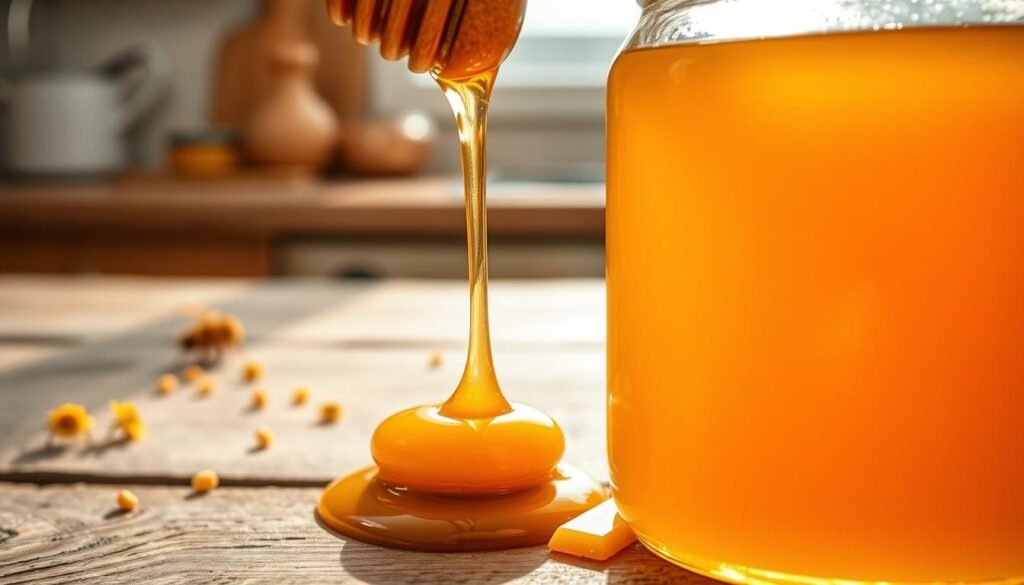
Cloudy jars usually hold pollen and microscopic crystals. That cloudiness often signals less handling and higher antioxidants.
Clear, uniform jars result from fine filtering. They stay liquid longer because they lack crystal “starters.”
| Property | Less-handled jars | Highly-handled jars |
|---|---|---|
| Enzymes | Higher retention | Reduced by heat |
| Antioxidants | Often higher levels | Lower after pasteurization |
| Appearance | Opaque or varied color | Clear, uniform color |
Note: Crystallization is natural and reversible with gentle warming. For more on handling and labels, see this practical guide.
How processing affects quality
Processing and Pasteurization: Heat, Filtration, and Shelf Life
Commercial handling often focuses on clarity and stability, using targeted heat and filtration to keep jars uniform during long distribution runs.
Pasteurization goals and temperatures
Pasteurization typically heats honey near 160°F to inactivate yeasts that can cause fermentation when moisture is higher. Producers use rapid warming to smooth texture and reduce visible bubbles that trap air.
Filtration and ultrafiltration explained
Basic filters remove wax and debris; ultrafiltration uses pressure to strip pollen and microsolids. Fine filtering yields very clear jars but also removes trace markers that identify floral origin.
Crystallization control and trade-offs
Removing particulates cuts nucleation sites, so jars stay liquid longer on the shelf. That improved shelf life and polished look come with trade-offs: some enzymes and antioxidant content fall with heat and aggressive filtering.
| Step | Purpose | Effect on content |
|---|---|---|
| Pasteurization (~160°F) | Kill yeasts; smooth texture | Reduces heat‑sensitive enzymes |
| Basic filtration | Remove wax and debris | Clarifies; minor loss of particles |
| Ultrafiltration | Strip pollen and microsolids | High clarity; lowers trace compounds |
Note: Honey’s low moisture and acidity limit bacterial growth, yet pasteurization targets yeasts and retail stability rather than general bacteria elimination. Choose by desired clarity, stability, and retention of natural compounds.
Nutritional Profile: Antioxidants, Enzymes, Vitamins, and Amino Acids
Beyond sweetness, honey carries a suite of bioactive molecules that affect antioxidant strength and aroma.
Polyphenols — including flavonoids and phenolic acids — underpin antioxidant capacity. Gentle handling helps preserve these plant compounds, so jars labeled as less-handled often test higher in antioxidants.
Some studies report that raw honey samples may show markedly higher antioxidant levels, in certain cases several-fold more than heavily treated jars. This aligns with minimal heat exposure and lighter filtration.
Enzymes and antimicrobial activity
Glucose oxidase is an important enzyme that slowly produces antimicrobial molecules when diluted. Heat used in commercial treatment can reduce this activity and may lower some traditional wound‑care effects.
Trace nutrients and flavor contributors
Honey contains small amounts of vitamins, amino acids, minerals, and organic acids. These nutrients are minor by weight but shape acidity, aroma, and mouthfeel. The term amino refers to amino acid contributions to flavor and potential bioactivity.
- Takeaway: raw honey is more likely to deliver a fuller spectrum of sensitive compounds, though levels vary by floral source.
- Use as a sugar‑dense sweetener and enjoy the added plant compounds as a complement to a balanced diet.
For practical buying and handling tips, see this full guide on handling and quality.
Bee Pollen and Propolis: Tiny Components, Big Effects
Small hive particles can change a jar’s nutrient profile and flavor in surprising ways.
What bee pollen brings
Bee pollen is a micronutrient-rich particle that contains over 250 substances. It holds amino acids, fatty acids, vitamins A and C, and minerals.
Properties include antioxidant, anti-inflammatory, and antimicrobial actions that can enhance a jar’s functional profile when present.
Propolis: the hive resin
Propolis is the resinous “glue” bees use to seal and sanitize the hive. It carries bioactive compounds and vitamins B, C, and E.
Reports note anti-inflammatory, antifungal, and potential anticancer effects, though outcomes vary and more study is needed.
How processing alters these components
Ultrafiltration and aggressive handling can strip pollen and propolis-derived particles from jars. As a result, jars labeled as less-handled are more likely to contain these trace elements.
These inclusions add cloudiness and creamy texture and may influence aroma and taste. Floral source, region, and handling all affect how much pollen and propolis remain. People with allergies to bee products should use caution, since these particles can trigger reactions.
| Component | Found in | Reported effects |
|---|---|---|
| Bee pollen | Less-handled jars | Antioxidant, anti-inflammatory, vitamins, amino acids |
| Propolis | Trace in minimally processed jars | Antimicrobial, anti-inflammatory, contains B/C/E vitamins |
| After ultrafiltration | Highly filtered jars | Reduced pollen/propolis; clearer appearance |
Taste, Texture, and Color: Sensory Differences You’ll Notice
Sensory cues reveal how a jar was handled and what floral sources influenced its profile.
Flavor can be layered and floral for minimally handled jars, with terroir-like notes that shift by season and region. Mass-market jars aim for a steady, familiar taste that shoppers expect.
Cloudiness often signals suspended pollen and tiny crystals that scatter light. Filtration and pasteurization clear those particles, so commercially smoothed jars look glass-clear and uniform.
Texture varies: some jars granulate into a spoonable, creamy spread, while filtered jars stay fluid longer because they lack nucleation sites. Color ranges from very pale to deep amber depending on floral source; blended products show standardized hues.
“Crystallization does not mean poor quality; many people prefer the creamy mouthfeel of naturally set jars.”
| Attribute | Less-handled type | Mass-market regular honey |
|---|---|---|
| Taste | Layered, floral, variable | Consistent, familiar |
| Texture | Creamy or fine crystals | Flows smoothly |
| Color | Wide range by floral source | Standardized shades |
Try a side-by-side tasting of clover, orange blossom, and buckwheat to appreciate how source influences taste and aroma. For more on selecting unheated Manuka options, see this unheated Manuka guide.
Shelf Life, Crystallization, and Storage Tips
How a jar sets on your shelf depends on its sugar balance and tiny seed particles. Crystal formation is normal and says little about quality.
Why jars crystallize
Science in short: honey is a supersaturated sugar solution. Glucose tends to precipitate first and form crystals that thicken the jar over time.
Floral source matters: varieties higher in glucose crystalize faster, while higher-fructose varieties stay liquid longer.
Safe reliquefying
To return a set jar to liquid, submerge the closed jar in warm water and stir occasionally. Use gentle heat and avoid boiling or microwave hotspots.
Do not overheat: excessive heat can degrade aroma and heat‑sensitive compounds.
- Storage tips: keep jars tightly sealed in a cool, dark spot to extend shelf life and preserve flavor.
- Buy sizes you will use within a reasonable time to avoid repeated warming cycles that degrade quality.
- Honey with moisture content above ~18.5% risks fermentation; comb‑capped jars signal proper ripeness.
- Raw honey often crystalizes sooner because retained particles seed crystals; processed jars are designed to delay this.
| Topic | Practical note | Action |
|---|---|---|
| Crystallization | Driven by glucose precipitation in a supersaturated solution | Warm-water bath; stir gently |
| Storage | Cool, dark, sealed keeps aroma and extends shelf life | Store away from sunlight on a stable shelf |
| Moisture content | Above ~18.5% risks fermentation | Prefer capped comb or reputable supplier |
Health Considerations in the United States
Public health guidance and common-sense precautions shape how people should use honey. This short guide highlights the main safety notes for households and caregivers.
Infant botulism risk
No honey of any kind for infants under one year. Both unheated and commercially treated jars can contain Clostridium botulinum spores. Those spores can germinate in an infant gut and cause a rare but serious illness.
Allergy and pollen cautions
People with severe pollen or bee-product allergies should take care. Products that retain pollen and propolis can trigger reactions.
If you have known sensitivities, consult an allergist before trying minimally handled jars.
Adulteration and label literacy
Some low-cost or imported brands have added sweeteners such as high-fructose corn syrup. Seek reputable producers, clear sourcing, and claims like unfiltered or raw when you want minimal handling.
Note: “pure” means no additives but does not guarantee absence of pasteurization.
“For infants, the rule is absolute: avoid giving honey to any child under 12 months.”
| concern | guidance | action |
|---|---|---|
| Infant botulism | High risk for under 12 months | Do not feed honey; avoid foods that contain it |
| Allergic reaction | Possible from pollen/propolis traces | Consult allergist; test if unsure |
| Adulteration | Added sweeteners detected in some brands | Buy trusted sellers; check labels and sourcing |
- Adult risk: healthy older children and adults usually resist spore germination, so the product is safe for most.
- Functional uses: honey may soothe coughs and support minor wound care, but consult a clinician for medical issues.
- Moderation: this is a sugar-dense food; use responsibly within a balanced diet.
For more on floral types and sourcing, see our types of honey guide.
How to Choose and Use: Buying, Label Reading, and Everyday Uses
Choosing a jar means knowing how labels and sourcing affect taste, shelf life, and nutrient retention.
Decode labels: “raw” usually signals no pasteurization; “unfiltered” means more particles and pollen may remain; “pure” tells you there are no additives; “organic” follows USDA rules but can still be heat-treated.
Buying local vs imported
Local sellers and farmers’ markets often offer jars that avoid ultrafiltration and retain pollen. That helps traceability and keeps varietal character.
Imported or mass-market jars may be pasteurized or blended for consistency. Buying from trusted sources reduces the risk of adulteration.
Culinary uses
Use about 3/4 cup to replace 1 cup sugar in baking, lower liquids slightly, and drop oven temperature a bit to protect flavor.
Savory tips: honey balances acid in dressings, glazes proteins in marinades, and smooths spicy sauces and hot drinks.
Functional and storage notes
For wound care, choose medical‑grade, sterilized products and consult a clinician. Regular kitchen jars are not a substitute for clinical treatments.
Storage: keep lids tight, avoid wet utensils, and store in a cool, dark spot to extend shelf life and preserve nutrients.
- Pick crystallization‑prone types if you like spreadable texture; choose processed blends for long pourability.
- Explore floral types—buckwheat, orange blossom, acacia—to find flavors you enjoy with tea, cheese, or baking.
“Honey contains trace nutrients and plant compounds, but its main role in the kitchen is as a flavorful, concentrated sweetener.”
For practical buying guidance, see this raw processed honey guide.
Conclusion
To close this guide, focus on what most affects your jar: source, handling, and intended use.
Raw options tend to keep visible pollen, enzymes, and higher antioxidant levels, while more processed jars favor clarity and longer shelf life. Expect richer taste, wider color range, and creamier or grainy texture from less-handled products versus the smooth, uniform pour of mass-market jars.
For safety and practical use, adults can enjoy either type, but never give any jar to infants under 12 months. Warm gently to reliquefy crystals and store sealed in a cool, dark spot to preserve nutrients and flavor.
Look for transparent labels and trusted sellers to avoid added sweeteners. Try side-by-side tastings of different nectar sources to appreciate how bees and blossoms shape the final properties and benefits of what you buy.
FAQ
What exactly is honey and how do bees make it?
Honey starts as floral nectar collected by honeybees. In the hive, bees add enzymes that convert sucrose into glucose and fructose, then reduce water content by fanning and regurgitation. The result is a concentrated, shelf-stable food that contains sugars, organic acids, enzymes, pollen grains, trace minerals, and aromatic compounds that give each batch its unique flavor and color.
How do enzymes and amino acids affect honey’s properties?
Enzymes such as invertase and glucose oxidase break down sugars and create hydrogen peroxide, contributing to mild antibacterial activity. Amino acids and organic acids influence taste and pH, while polyphenols and trace minerals shape antioxidant capacity and color. These compounds also affect crystallization, texture, and perceived freshness.
What distinguishes unheated, minimally handled honey from extensively processed commercial jars?
Minimally handled honey is typically strained but not heated above hive temperatures, so pollen and many heat-sensitive enzymes remain. Commercially treated varieties are often pasteurized and fine-filtered to improve clarity and delay crystallization; this can reduce detectable enzymes, pollen, and some antioxidants, yielding a more uniform appearance and longer clear shelf life.
Do organic labels guarantee the same qualities as unheated, minimally handled honey?
No. Organic certification addresses floral source, pesticide use, and handling standards on the farm, but it doesn’t automatically mean the product avoided pasteurization or ultrafiltration. Read labels for terms like “unfiltered” or “raw” and look for vendor details about processing and source if you want pollen and minimal heat exposure.
What processing steps affect nutrients and enzymes?
Heating (pasteurization) and prolonged high temperatures denature enzymes and can lower some antioxidants. Filtration and ultrafiltration remove pollen and microscopic particles that carry nutrients and bioactive compounds. These steps help with clarity and shelf stability but may reduce certain functional components.
How can I tell by appearance or texture what I’m buying?
Cloudy or opaque jars with visible granules and a creamy or grainy texture often indicate minimal filtration and natural crystallization. Clear, very fluid honey usually signals pasteurization and fine filtration. Color varies by floral source and can range from pale gold to dark amber—darker often means stronger flavor and higher polyphenol content.
What do pasteurization temperatures aim to achieve, and what are trade-offs?
Pasteurization typically heats honey to 140–160°F (60–71°C) briefly to kill yeast cells and delay fermentation while smoothing texture. The trade-off is loss of heat-sensitive enzymes and some antioxidant activity. Gentle warming below these ranges can liquefy crystallized jars without drastic nutrient loss.
How does filtration or ultrafiltration change the product?
Filtration removes fine particles, pollen, and microscopic debris to produce a clearer liquid. Ultrafiltration can strip out pollen entirely, which improves clarity and shelf stability but eliminates a natural marker used to verify geographic and floral origin and removes some nutrients and potential health-promoting compounds.
Why does honey crystallize and how does sugar ratio matter?
Crystallization happens because glucose is less soluble than fructose. Honeys with higher glucose-to-fructose ratios crystallize faster. Temperature and presence of seed particles, like pollen or fine crystals, also influence how quickly a jar solidifies.
What’s the safe way to reliquefy crystallized jars?
Place the sealed jar in a warm water bath (95–115°F / 35–46°C) and stir occasionally until crystals dissolve. Avoid direct stovetop heating or microwave use, which can overheat and degrade enzymes and volatile aromatics.
Are there measurable nutritional differences in antioxidants and enzymes?
In many laboratory tests, minimally heated, pollen-containing honey shows higher polyphenol levels and greater enzyme activity than heavily heated, ultrafiltered commercial products. However, variation is large and depends on floral source, geography, and handling practices.
What role does bee pollen play in jars labeled with it?
Bee pollen adds antioxidants, vitamins, and bioactive compounds that may have anti-inflammatory and immune-modulating effects. When pollen remains in the jar, it contributes to flavor, texture, and potential local allergen exposure—beneficial for some, risky for others with pollen sensitivities.
How does propolis factor into the final product?
Propolis, the resinous hive material bees use as sealant, carries flavonoids and antimicrobial compounds. Small amounts can end up in minimally processed honey, adding to functional properties. Processing often reduces or removes propolis traces.
Does taste differ significantly among types?
Yes. Minimally handled jars tend to have more complex, variable flavor profiles reflecting floral sources. Commercially smoothed honey often tastes milder and more uniform. Darker honeys typically present bolder, more robust notes than lighter varieties.
Is honey safe for infants and people with pollen allergies?
Do not give any honey to children under one year due to the risk of Clostridium botulinum spores causing infant botulism. Individuals with pollen allergies should exercise caution; pollen in minimally handled jars can trigger reactions. Consult a healthcare provider if you have concerns.
How can consumers avoid adulterated products and added sugars?
Buy from reputable brands and local beekeepers, look for transparent sourcing, and prefer jars that state minimal processing or list pollen content. Third-party lab-tested labels and regional raw honey producers like Savannah Bee Company, Bee Local, and trusted farmers’ markets often provide more reliable provenance than generic supermarket blends.
What should I look for on labels when choosing a jar for cooking or health uses?
For culinary consistency, clear, smooth honey works well in beverages and glazes. For perceived health benefits, choose jars labeled “unfiltered,” “unheated,” or “minimally processed,” and check for origin and harvest date. “Organic” is useful for pesticide assurance but not a guarantee of minimal heat treatment.
How do storage conditions affect shelf life and quality?
Store jars at room temperature away from direct sunlight. Avoid refrigeration, which accelerates crystallization. Properly sealed honey can remain stable for years; however, repeated heating or exposure to moisture can promote fermentation or quality loss.
Can honey be used for wound care and are claims evidence-based?
Medical-grade Manuka honey (with standardized methylglyoxal levels) has proven antibacterial properties and is used in wound dressings. Culinary-grade jars may have some antibacterial activity but lack standardized testing and sterilization, so consult medical professionals before using honey for clinical wound care.
Are there notable brands or certifications to trust for minimally handled products?
Seek producers who disclose processing methods and offer third-party testing. Brands like Wedderspoon, Y.S. Eco Bee Farms, and local, certified organic beekeepers often provide transparency. Look for USDA organic, Certified True Source, or independent lab test results when provenance matters.