This guide explains what bee bread is and how hive fermentation turns packed pollen into a more digestible, nutrient-rich food. Inside comb cells, bees mix pollen with nectar, honey and enzymes, seal it, and let lactic fermentation change its chemistry.
What to expect: we summarize composition highlights — proteins, amino acids, carbs, fatty acids, vitamins, minerals and organic acids — and link those compounds to proposed physiological effects. Lab and animal studies show antioxidant, antimicrobial and metabolic activity, while human research is emerging.
Practical focus: you will find clear notes on daily amounts, timing, absorption tips, sourcing in the U.S., and storage differences between dried and fresh forms. We also flag safety for people with sensitivities and possible drug interactions.
Finally, this intro places bee bread within wider bee products and sustainable beekeeping, so readers can judge both nutritional value and environmental impact.
Key Takeaways
- Bee bread is made when bees ferment packed pollen inside honeycomb, enhancing digestibility.
- Lab and animal studies suggest antioxidant, antimicrobial, and metabolic effects; human data is limited.
- Main composition includes proteins, sugars, fatty acids, vitamins, minerals and organic acids.
- Differences versus raw pollen include higher bioavailability and stability.
- Read guidance on dosing, sourcing quality, storage, and allergy or medication risks.
What Bee Bread Is and Why It Matters Right Now
What starts as dusted flower grains at the hive entrance becomes a nutrient-rich pantry item for the colony — and now for consumers.
From foraged grains to functional food
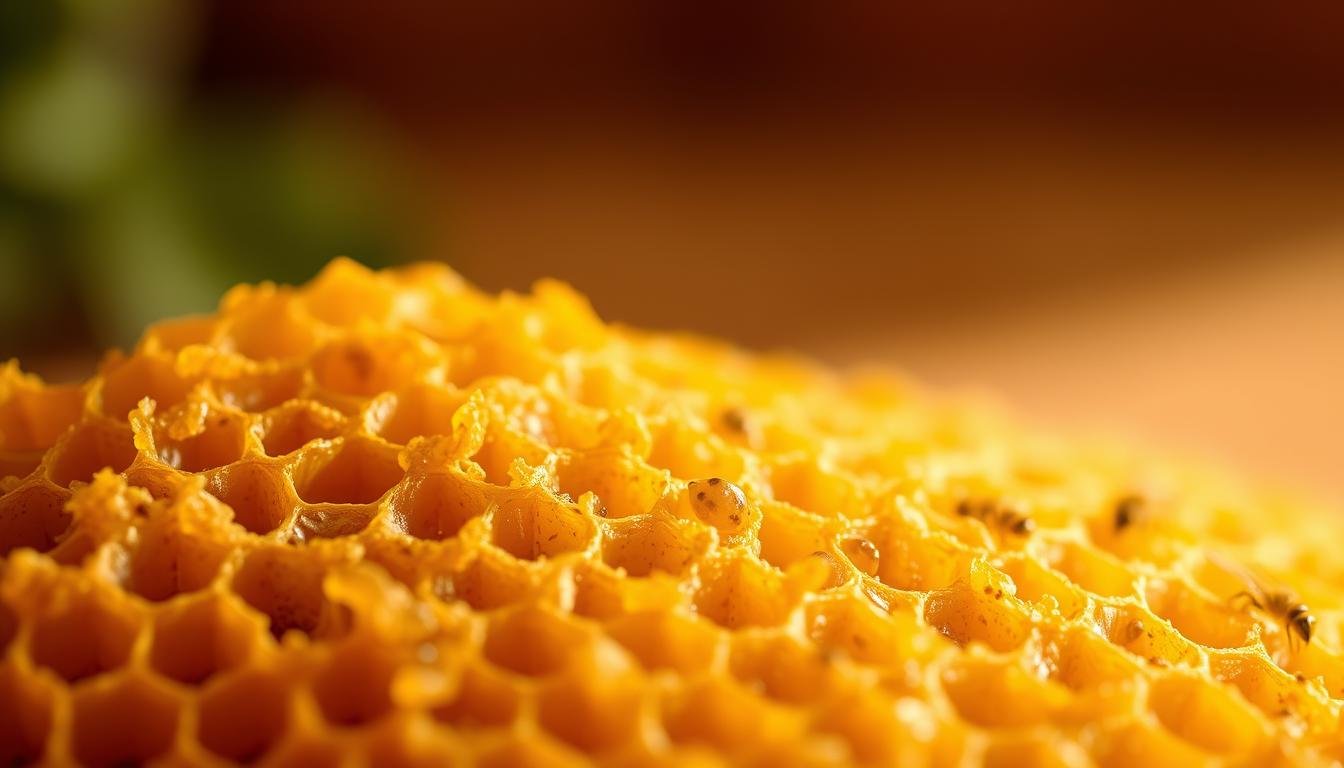
Bee bread is a hive product made when foragers bring pollen back and workers mix it with nectar or honey and enzymes. They pack and seal cells so lactic fermentation proceeds in low oxygen.
The process raises digestibility and alters the nutrient profile compared with raw pollen. Typical composition includes proteins, free amino acids, sugars, fatty acids, vitamins, minerals, organic acids and polyphenols. Composition varies by floral source and region.
Why interest is growing in the United States
Demand for natural functional food and microbiome-friendly options is driving growth. Consumers like minimally processed bee products that seem more stable and easy to use than raw granules.
- Early-stage studies and media coverage are raising awareness.
- Specialty retailers and online product listings expand availability.
- Taste and convenience make daily use easier than handling raw pollen.
Responsible note: enthusiasm is rising, but more human studies are needed before firm claims about value and health effects are confirmed.
How Bees Make Bee Bread: The Fermentation Inside the Hive
Inside a hive, packed flower grains begin a controlled transformation when workers add nectar, honey, and enzymes. This process creates a preserved food store for the colony and a distinct product sought by people for its unique composition.
Collection and initial mixing
Foragers collect pollen and bring it to the nest. Hive workers mix the collected pollen with honey or nectar plus saliva enzymes. They then press the blend into comb cells and seal it with a thin wax cap.
Anaerobic lactic fermentation in sealed cells
The wax cap and tight packing limit oxygen, favoring lactic fermentation. Lactic acid bacteria — Apilactobacillus kunkeei, Lactiplantibacillus plantarum, Fructobacillus fructosus, and Levilactobacillus brevis — drive acid production.
How fermentation changes digestibility and nutrients
Lactic acid lowers pH, which helps preserve the stored food and adds mild tartness to flavor. Acid action and microbial enzymes partially break pollen walls and modify macromolecules.
- Improved digestibility: cell walls are softened, freeing proteins and sugars.
- Enhanced bioavailability: vitamins and amino acids become easier to absorb.
- New metabolites: organic acids form and shift the product’s composition and effects.
Timing, floral source, and colony needs shape production volume and sensory notes. This natural, hive-optimized process differs from human-run fermentations because the bees’ methods balance preservation, nutrition, and storage at scale within the nest.
Bee Bread vs. Bee Pollen: What Changes Through Fermentation
Comparing hive-aged pellets with raw granules shows clear shifts in texture, chemistry, and microbial makeup.
Nutritional bioavailability and microbiota differences
Fermentation in sealed cells softens pollen walls, which can free amino acids, polyphenols, vitamins and minerals and make them easier to digest.
Microbial ecology shifts from surface microbes on raw granules to lactic acid–dominated communities in stored pellets. That change may alter how the product interacts with the gut, though human data remain limited.
Taste, texture, and storage stability
Flavor often gains a mild sour tang and the texture becomes softer, which many users find more palatable than raw bee pollen granules.
Lower pH (~4.3) and fermentation by-products improve preservation. Properly dried hive-aged pellets typically outlast raw granules in shelf life.
- Structure: raw granules are dry and intact; hive-aged pellets are denser with higher moisture before drying.
- Functional notes: extracts show stronger antioxidant and enzyme-inhibitory activity in some lab studies.
- Choice guide: pick based on taste, handling, and digestion—those with sensitive stomachs may prefer fermented forms.
Core Composition at a Glance
A concise nutrient snapshot shows this hive product contains water, protein, free amino acids, carbohydrates, fatty acids, vitamins, minerals, organic acids, and polyphenols. One survey puts macros near protein ~23%, fats ~3%, and carbohydrates ~24–35%, with vitamins and minerals around 3% and a typical pH near 4.3.
Macro balance: proteins and carbs dominate, while fats are low but include diverse fatty acids. That fat fraction supports meaningful lipid profiles despite small percentage.
Micronutrients and organic acids
Micronutrient content often includes B-complex vitamins, vitamin C, tocopherols (E), vitamin K, and minerals such as potassium, calcium, magnesium, iron, zinc, and selenium.
Organic acids like lactic, gluconic, and acetic shape acidity and help preservation. These compounds also appear in lab studies that link composition to antioxidant and enzyme-inhibitory activity.
Variability by floral and regional origin
More than 300 compounds have been identified globally. Floral source, climate, and harvest timing shift amino acids, polyphenols, and secondary metabolites.
Labels rarely capture full complexity. Treat reported ranges as guidance rather than fixed values. Gentle drying and cool storage preserve sensitive vitamins and phenolics.
| Nutrient Group | Typical Range | Key Examples | Functional Notes |
|---|---|---|---|
| Protein / Amino acids | ~20–25% | Essential amino acids, free amino acids | Supports digestibility; foundation for later amino-acid section |
| Carbohydrates | 24–35% | Simple sugars, polysaccharides | Energy source; fermentation substrates |
| Fats & Fatty acids | ~3% | Unsaturated fatty acids, minor sterols | Low amount but diverse profile; covered in fatty-acid section |
| Vitamins / Minerals / Acids | ~3% (micronutrients) | B-complex, C, E, K; K, Ca, Mg, Fe, Zn, Se; lactic, gluconic, acetic | Contribute to antioxidant activity and shelf stability |
Amino Acids: The Building Blocks in Bee Bread
The amino-acid profile gives a concise window into nutritional quality and botanical signals in hive stores.
Essential and non-essential types commonly found
Analyses report essential amino acids such as leucine, isoleucine, valine, lysine, methionine, threonine, phenylalanine and tryptophan. Non-essential examples include arginine, glutamic acid, aspartic acid, proline and tyrosine.
Markers, methods and functional notes
Trytophan often signals acacia sources, while arginine appears with chestnut-origin samples. That botanical signal can add value when origin transparency is given.
- Fermentation and enzyme activity can free amino acids from rigid cell walls, improving accessibility versus raw pollen.
- Methodology (HPLC, LC‑MS/MS, GC‑MS) affects detected profiles and reported amounts in studies.
- Certain amino acids influence taste and Maillard notes when drying, and others are precursors to neurotransmitters or nitric oxide.
Protein quality links to tissue repair and recovery, but abundance varies with season and floral source. Detailed amino-acid labels are rare, so seek sellers who disclose origin and analysis when this composition is a priority.
Fatty Acids and Their Roles in Health
Hive-derived stores carry a spectrum of fatty acids that mirror plant sources and modestly support nutrition. While total lipid content is low, the mix includes key unsaturated families such as omega-3 and omega-6.

Unsaturated fatty acids, including omega-3 and omega-6
Core profile: the lipid fraction contains linoleic acid (an n‑6) and α‑linolenic acid (an n‑3), plus smaller monounsaturated and saturated components.
Why it matters: these unsaturated fatty acids help maintain cell membrane integrity and act in signaling pathways that modulate inflammation.
Links to cardiovascular and metabolic support
Research on related pollen products and extracts shows relatively high α‑linolenic content and balanced n‑6:n‑3 ratios in many samples. That pattern aligns with better lipid balance and cardiometabolic profiles in population studies.
Practical notes: serving sizes deliver nutrients within normal dietary ranges. This is a food product, not a pharmaceutical PUFA supplement; high‑dose omega therapy requires medical oversight.
- Fatty amounts are modest, but the unsaturated fatty pattern can be nutritionally meaningful.
- Fermentation and drying influence fatty acid stability; gentle handling preserves more polyunsaturated acid.
- Human outcome data specific to bee bread remain limited; more targeted studies are needed.
Pairing hive stores with a whole‑food diet rich in plants and quality fats helps maintain a healthy n‑6:n‑3 balance and supports overall cardiovascular health.
Polyphenols and Flavonoids: Antioxidant Powerhouses
Regional flowers leave a distinct polyphenol signature that influences the antioxidant profile of hive products.
Common compounds reported in analyses include quercetin, kaempferol, myricetin, luteolin, apigenin, rutin, naringin and phenolic acids such as caffeic and p-coumaric acid. These flavonoids appear across many samples and shape measured antioxidant content.
At a molecular level, polyphenols scavenge reactive oxygen species and chelate metal ions. They also modulate signaling cascades that lower pro-inflammatory mediators. These dual actions explain why extracts show strong antioxidant and anti-inflammatory activity in vitro.
Glycosylation patterns alter solubility and absorption, so two samples with similar composition can differ in bioactivity. Floral origin and seasonal shifts change the profile year to year, producing natural batch variability.
“The synergy among diverse flavonoids often matters more than any single molecule.”
For readers who want deeper context, see a recent review of recent studies. Transparency on floral source helps buyers prioritize target plant profiles. Finally, remember that antioxidant assays provide clues, not direct proof of clinical benefit; pairing these products with a polyphenol-rich diet likely gives the best complementary effects.
Vitamins, Minerals, and Organic Acids in Bee Bread
A closer look at small nutrients shows how vitamin and mineral content shapes the practical value of hive products.
Vitamins and their roles
Vitamin C, A, and tocopherols (E) appear alongside thiamine and riboflavin in many analyses. These nutrients support antioxidant defense and energy metabolism. Gentle handling and low drying temperatures help retain labile vitamins.
Key minerals and functions
Reported minerals include K, Ca, Mg, Fe, Zn and Se. They aid electrolyte balance, oxygen transport, and numerous enzymatic reactions. Concentrations vary with floral source and processing.
Organic acids and pH
Lactic acid, gluconic and acetic acid are common. These acids lower pH to around 4.3, improving preservation and adding mild tartness. Fermentation can generate or concentrate several acids compared to raw pollen.
“Micronutrient and acid profiles link chemical composition to measured antioxidant and preservative activity.”
| Component | Typical Examples | Function |
|---|---|---|
| Vitamins | Vitamin C, A, E, B1, B2 | Antioxidant support; energy metabolism |
| Minerals | K, Ca, Mg, Fe, Zn, Se | Electrolytes; enzyme cofactors; oxygen transport |
| Organic acids | Lactic, gluconic, acetic | Preservation; flavor; pH ~4.3 |
Label claims may be conservative due to natural variability. Prioritize trusted suppliers who document origin and handling. Used within a nutrient-rich diet, this product can complement other sources.
Microorganisms and Lactic Fermentation: What’s Inside
The living ecology inside capped comb cells sets the stage for acid production and metabolite changes.
Lactic acid bacteria reported here
Common microbes include Apilactobacillus kunkeei, Lactiplantibacillus plantarum, Fructobacillus fructosus, Levilactobacillus brevis, and Lactobacillus delbrueckii. These bacteria drive fermentation in sealed comb niches.
How microbial ecology shapes properties
Wax-capped comb cells create low-oxygen pockets that favor lactic pathways. Microbial metabolism yields organic acid and lowers pH, which helps preserve the material and adds mild tang to flavor.
Metabolites from microbes can boost antioxidant signals measured in lab studies and may free nutrients trapped in pollen walls. Sequencing work also finds fungal genera in some samples; origin and handling affect what survives harvest.
- Live microbes at purchase vary; many consumers get metabolites rather than active cultures.
- Regional and seasonal shifts change the community and resulting effects.
- Proper cool, dry storage limits unwanted growth and preserves shelf life.
“Microbial dynamics link chemical change to digestibility and stability.”
Health effects shown in lab and animal work
This section summarizes key lab and animal signals linked to hive-stored pollen products.
Experimental work shows strong antioxidant activity in extracts. Assays such as DPPH, ABTS, and FRAP report free-radical scavenging and metal‑chelating capacity. Those mechanisms explain why oxidative stress markers fall in some animal trials.
Antioxidant and free radical scavenging activity
Mechanisms: polyphenols and organic acids donate electrons, neutralizing radicals and reducing lipid peroxidation in tissues. This links to lower oxidative biomarkers in rodents given supplements.
Antibacterial and antifungal properties
In vitro studies report growth inhibition against Gram‑positive and Gram‑negative bacteria and several fungal strains. These antimicrobial properties suggest potential for food-safety applications and topical research, though practical use needs more testing.
Support for glucose and lipid balance
Extracts inhibit α‑amylase and angiotensin-converting enzyme (ACE) in lab assays. α‑Amylase inhibition can slow carbohydrate breakdown and blunt post-meal glucose spikes.
Animal models show improved fasting glucose, lower triglycerides, and better cholesterol ratios after supplementation, suggesting metabolic effects beyond acute enzyme inhibition.
Anti-inflammatory effects and immune signals
Studies report reduced pro-inflammatory cytokines and lower markers of tissue inflammation in rodents. These signals hint at downstream immune regulation, but human relevance is still unproven.
“Most evidence comes from lab and animal studies; human trials remain limited and needed for clinical claims.”
| Effect | Evidence Source | Typical Findings |
|---|---|---|
| Antioxidant | In vitro assays, animal studies | Free‑radical scavenging, reduced oxidative markers |
| Antimicrobial | In vitro cultures | Inhibition of bacteria and fungi; spectrum varies by extract |
| Metabolic (glucose/lipids) | Enzyme assays, rodent trials | α‑Amylase and ACE inhibition; improved glucose and lipid profiles |
| Anti‑inflammatory | Animal models | Lower cytokines and tissue inflammation markers |
Practical note: treat this product as a supportive food within a balanced diet, not a cure for diseases. Composition varies with floral origin and processing, so responses differ by batch.
Start with moderate, consistent servings rather than high doses. If you manage chronic conditions or take medications, discuss use with a healthcare professional before adding this product to your routine.
What Emerging Research Suggests About Antitumor Potential
New in vitro research tests whether components from hive products trigger cell death in tumor cultures.
Key lab findings show that extracts from bee bread and bee pollen can induce apoptosis and slow proliferation in multiple cancer cell lines. Researchers report DNA fragmentation, caspase activation, and reduced colony formation in treated cultures.
In vitro apoptosis and proliferation findings
Several studies used tumor models such as breast, colon, and liver cell lines. Treated cells often show dose-dependent declines in viability and signs of programmed cell death.
Candidate compounds implicated include polyphenols, phytosterols, and certain fatty acids. These classes may work together to trigger oxidative stress in malignant cells or to modulate signaling pathways linked to growth.
Considerations, gaps, and responsible expectations
Petri-dish and animal data do not equal clinical proof. Results vary with extract type, solvent, dose, and cell model, so generalizing to patients is premature.
Safety and quality control gaps remain. Standardized extracts, validated dosing, and WHO-aligned trials are needed before any clinical use. Avoid substituting bee bread for prescribed cancer therapies; discuss adjunctive plans with an oncologist.
“Promising lab signals require rigorous human studies before clinical recommendations can be made.”
| Topic | Evidence Source | Takeaway |
|---|---|---|
| Apoptosis induction | In vitro cell-line assays | DNA fragmentation, caspase activity; variable by extract |
| Proliferation inhibition | Colony and MTT assays | Reduced cell growth at higher concentrations |
| Candidate compounds | Phytochemical analysis | Polyphenols, phytosterols, fatty acids linked to signals |
| Research gaps | Systematic reviews & guidelines | Need standardized extracts, safety trials, human pilots |
Next steps should prioritize standardized products, pilot human trials, and interaction studies if adjunctive use is considered. Meanwhile, maintain a balanced diet and rely on proven treatments for serious diseases.
How to Use Bee Bread: Dosage, Timing, and Absorption
Start with modest amounts and a set schedule to judge how this hive product affects your energy and digestion. A common adult serving is about a teaspoon to a teaspoon and a half (roughly 20 g) per day.
Children and caution: avoid giving this material to children under 3 due to allergy risk. For older children, some caregivers use a grain-count heuristic—one grain per year of age—as a conservative guide.
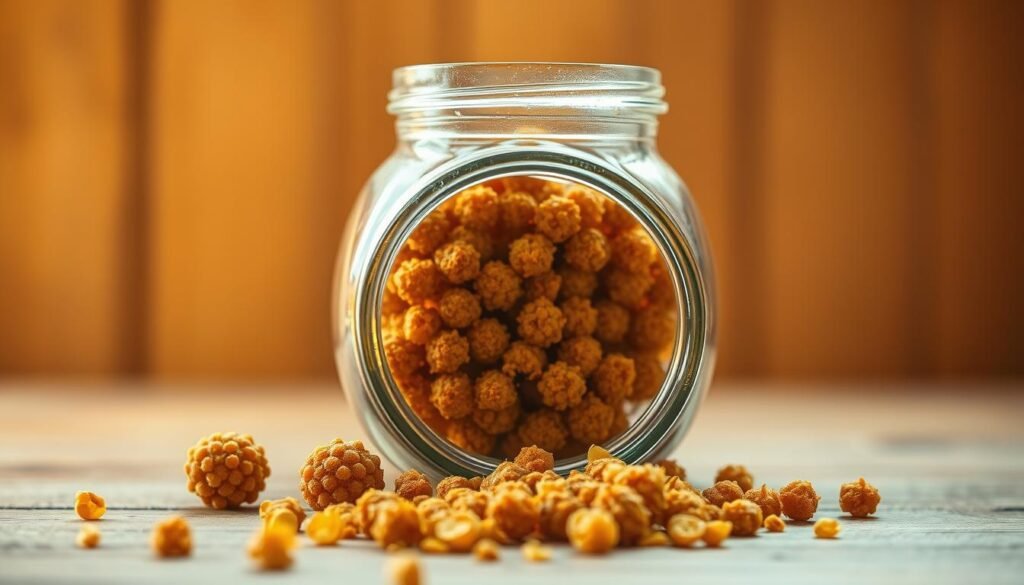
Best time and dose strategy
Take it in the morning or before lunch to align with its mild energizing effect and to avoid sleep disruption. Consistent daily intake typically gives clearer feedback than sporadic large doses.
Maximizing absorption
Dissolve a serving in warm water with a teaspoon of honey, or chew thoroughly and let it sit under the tongue for a short sublingual exposure. Both methods help release nutrients from the matrix and may speed perceived energy.
- Increase intake slowly to test tolerance.
- Pair with balanced meals for steady energy and better nutrient synergy.
- Consider cycling use (for example, a month on, a short break) if preferred.
“Track how you feel and store jars properly to preserve content and value over time.”
Safety, Allergies, and Who Should Be Cautious
Because this product combines floral grains, nectar and bee-derived enzymes, it can trigger immune reactions in sensitive people. Read safety notes before trying any hive item.
Pollen and honey sensitivities
People with known pollen or honey allergies should consult a healthcare provider before tasting bee bread. Oral itching, hives, rash, or stomach upset can occur within minutes in sensitive individuals.
Start with a tiny amount and wait a full day to assess tolerance. If symptoms appear, stop use and seek medical advice.
Medication and health condition considerations
Caution is wise for those on anticoagulants, antihypertensives, or diabetes drugs because interactions are theoretically possible based on metabolic and inflammatory effects seen in some studies.
- Discuss use with your clinician if you have autoimmune diseases, chronic illnesses, or take regular prescriptions.
- Pregnant or breastfeeding people should get individualized guidance due to limited human data.
- Buy from trusted suppliers to lower contamination risk and document any symptoms to share with your provider.
Remember: this product is a complementary food, not a treatment for diseases.
Quality, Sourcing, and Price Factors in the U.S. Market
Quality and sourcing shape how much nutrition and flavor end up in each jar. Floral origin sets color, aroma, and the composition in measurable ways. Regional flowers change polyphenol and vitamin profiles across years and seasons.
Floral origin, drying temperature, and nutrient retention
Ask about source and harvest season. Low-temperature drying preserves heat-sensitive vitamins and polyphenols. High heat can reduce labile content and alter taste.
Understanding pricing trends and what affects value
Retail pricing rose in Europe from about €30/kg to ~€60/kg by 2021 as demand climbed. In the U.S., costs often reflect import fees, low domestic yield, and careful handling.
- Labor and yield variability raise processing costs.
- Careful, low‑heat drying and traceable origin add to price but improve consistency.
- Monofloral and multifloral types differ in expected flavor and nutrient signals.
Evaluate value by freshness, documentation, and sensory quality rather than price alone. Look for lab testing or certifications when available and support responsible beekeepers who prioritize hive health and sustainable practices.
“Paying for transparent sourcing and gentle handling often translates to better consistency and consumer experience.”
Storage, Shelf Life, and Forms You Can Buy
Proper storage keeps flavor, texture, and key nutrients steady through months and years. Choose the form that fits how you plan to use it: dried pellets for pantry keeping, or fresh-like pieces for short-term use.
Dried versus undried: quick notes
Dried pellets are low‑moisture and stable. Stored in a cool, dark, dry spot, dried jars can last for years at room temperature without major loss in taste or content.
Undried, fresh-like pieces should be treated like a perishable. Keep them refrigerated while you use a jar and freeze portions you won’t eat within a few days.
Temperature and handling tips
- Room temperature: store dried product in an airtight container away from heat and sunlight.
- Refrigerate undried jars during active use to slow microbial change and preserve chew.
- Freeze unused portions to extend life without big texture loss; thaw in the fridge before opening.
- Airtight containers limit moisture uptake and odor transfer, protecting delicate properties and flavor.
- Avoid heat and light — they degrade sensitive vitamins and reduce measured effects over time.
- Buy amounts that match your pace; consuming within a short span keeps peak value and taste.
- Use clean utensils and reseal promptly to prevent contamination; if aroma or taste changes markedly, reassess freshness before continued use.
“Simple storage choices preserve the sourdough-like tang and pleasant chew that many users value.”
Bee Bread in the Hive: Nutrition for Bees and Ecosystem Context
Colony resilience rests on stored nutrition that bridges good and lean foraging seasons. In a healthy hive, reserved stores in capped cells give honey bees a reliable supply when floral sources fade.
Why this stored food matters for colony growth
Primary reserve: packed stores act as the main protein and micronutrient source for developing brood and in-hive workers during peak production and reproductive phases.
Seasonal dynamics matter. When forage drops, colonies draw on these reserves to sustain brood growth, wax production, and worker life tasks. Floral diversity within the foraging radius supports a balanced nutrient mix that fuels steady growth.
Environmental pressures—habitat loss, pesticide drift, and limited blooms—can reduce store quality and quantity. Responsible harvesting by beekeepers must prioritize colony needs and avoid stressing the hive.
- Honey and stored protein work together: honey supplies energy while reserves provide building blocks for tissue and wax.
- Sustainable keeper practices—timely feeding, habitat planting, and minimal removal—support production without harming colonies.
- Consumer choices that favor traceable sourcing link purchases to pollinator stewardship and stronger agricultural ecosystems.
Healthy stores in cells directly support brood, workforce, and the wider pollination services that underpin biodiversity and crops.
Where the Science Stands Today and What’s Next
Most scientific signals originate in test-tube and rodent studies; carefully designed human trials remain scarce. That hierarchy matters when judging claims about composition, compounds, and practical uses.
Evidence tiers: in vitro, animal, and early human data
In vitro work shows antioxidant, antimicrobial, and antitumor activity in extracts. Animal studies often confirm metabolic and anti-inflammatory effects seen in the lab.
Human studies are emerging but small. They can hint at safety and short-term effects, yet they do not establish long-term efficacy for diseases or broad health claims.
Major gaps and quality needs
Key limitations include variable composition across batches and no standardized dosing guidance. That makes reproducibility hard and limits clinical translation.
Rigorous safety data are also missing, especially on allergenicity and drug–food interactions. Regulatory-grade quality control and validated assays are needed.
- Consistent themes: antioxidant, antimicrobial, anti-inflammatory, and metabolic effects recur in preclinical studies.
- Technology gains: metabolomics and microbiome analysis can map active compounds and properties over time.
- Research priorities: standardized extracts, transparent origin reporting, and small, well-designed human trials targeting metabolic markers and inflammation.
“Focus on evidence-based integration into dietary patterns while research matures.”
Collaboration between beekeepers, labs, and clinicians will improve product traceability and study design. For practical guidance on timing and use, see a concise consumer guide like when to take bee bread.
Conclusion
This final summary frames how a small, hive-made product packs rich chemistry and practical uses into a pantry-ready jar.
Bee bread is a sealed-comb, lactic-acid preserved store with more than 300 identified compounds. Its natural processing softens walls, raises digestibility, and shifts nutrient signals versus raw pollen.
Lab and animal work point to antioxidant, antimicrobial, anti-inflammatory, and metabolic effects, while human trials remain limited. Start with a modest daily serving, take it with a meal or warm liquid, and test tolerance slowly.
Watch for allergies and drug interactions, and favor traceable sources to protect hive life and maximize value. Treat this product as a complementary food within a balanced diet, stay updated as research grows, and use it with curiosity and care.
FAQ
What exactly is bee bread and how does it differ from raw pollen?
Bee bread is pollen that honey bees pack into hive cells, mix with nectar, honey and glandular enzymes, then seal. Microbial lactic fermentation occurs in the anaerobic cell environment, which increases digestibility and changes nutrient availability compared with raw collected pollen. This process also alters taste, texture, and storage stability.
Which nutrients are most plentiful in bee bread?
Bee bread contains proteins and a range of amino acids, carbohydrates, and lipids including unsaturated fatty acids. It also supplies vitamins (notably B-complex, C, E, and K), minerals such as potassium, calcium, magnesium, iron, zinc and selenium, plus organic acids like lactic and gluconic that shape pH and preservation.
How does fermentation improve bioavailability?
Fermentation by lactic acid bacteria partially breaks down pollen walls and complex compounds, releasing amino acids, peptides and soluble proteins. That microbial action can increase absorption in the gut and enhance the functional value of phytochemicals and fatty acids.
Are there specific amino acids to look for in bee bread?
Analyses commonly detect essential and nonessential amino acids. Tryptophan and arginine often serve as botanical or nutritional markers, while branched-chain amino acids and lysine contribute to the protein quality that supports tissue maintenance and metabolic processes.
What types of fatty acids are present and do they matter for health?
Bee bread contains saturated and unsaturated fatty acids, including omega-3 and omega-6 family members. Unsaturated fats support cardiovascular and metabolic balance when consumed as part of a varied diet, and they complement the antioxidant and anti-inflammatory compounds in the product.
Does bee bread provide antioxidant effects?
Yes. Bee bread is rich in polyphenols and flavonoids—such as quercetin and kaempferol—alongside other phenolic acids. These compounds exhibit free radical scavenging and contribute to observed anti-inflammatory and antioxidative activity in laboratory studies.
What microbes are involved in the fermentation process?
Lactic acid bacteria and other beneficial microbes populate bee bread. Their ecological composition varies by hive and floral source, and this microbial profile can influence acidity, nutrient preservation, and possible probiotic-like effects.
Are there documented antimicrobial properties?
Laboratory studies report antibacterial and antifungal activity for bee bread extracts, attributed to organic acids, flavonoids and other bioactive molecules. These effects depend on floral origin, processing and concentration, so results vary across samples.
Can bee bread affect blood glucose or lipid levels?
Preclinical and some emerging human data suggest potential support for glucose and lipid balance, likely via combined antioxidant, fatty acid and polyphenol actions. Robust clinical trials remain limited, so use should be complementary to standard care rather than a replacement.
Is there evidence for antitumor activity?
In vitro studies show that some bee bread extracts can induce apoptosis and reduce proliferation in certain cell lines. These are early-stage findings; clinical relevance is unproven and warrants cautious interpretation until more comprehensive studies are completed.
How much should an adult take daily, and what’s the best way to consume it?
Common serving suggestions range from a few grams to about one tablespoon per day for adults, adjusted for weight and tolerance. Absorption improves if you dissolve, chew thoroughly, or take it with honey or a fat source to aid uptake of fat-soluble compounds and fatty acids.
Who should avoid bee bread or take precautions?
Individuals with pollen, bee venom or honey allergies should avoid use. Pregnant or breastfeeding people and those on anticoagulants or immunosuppressants should consult a healthcare professional before starting, due to possible interactions and allergenic risk.
How does floral and regional origin affect quality?
Botanical source and geography strongly influence nutrient and phytochemical profiles. Harvesting, drying temperature and storage also alter nutrient retention. High-quality products typically list floral origin and employ gentle processing to preserve proteins, vitamins and volatile compounds.
What forms of the product are available and how should they be stored?
Bee bread is sold fresh (undried) or dried and sometimes blended into capsules, powders or pastes. Dried forms are shelf-stable when kept in airtight containers at cool, dark conditions; fresh or high-moisture products benefit from refrigeration or freezing to extend shelf life and preserve microbial balance.
Does bee bread support bee colony health as well as human nutrition?
Yes. Within the hive, stored pollen transformed into bee bread supplies brood and nurse bees with essential nutrients that support colony growth and resilience, underscoring its ecological role in bee nutrition and ecosystem services such as pollination.
What research gaps still exist about bee bread?
Major gaps include standardized quality metrics, controlled human clinical trials on efficacy and safety, detailed microbial ecology studies, and clear dose-response data. These areas need attention to move from promising laboratory findings to evidence-based recommendations.