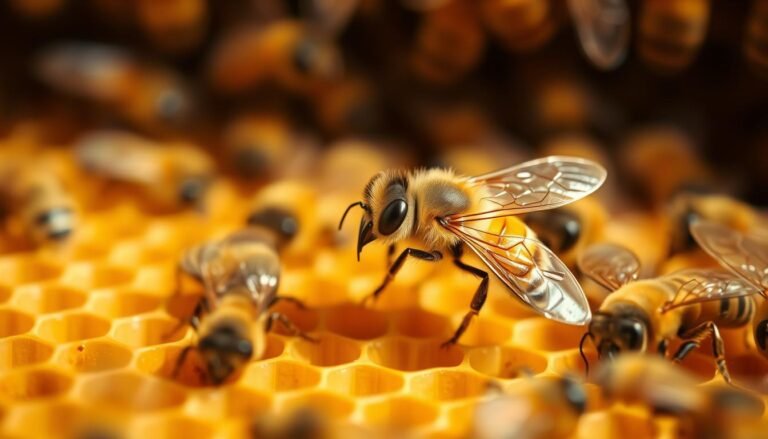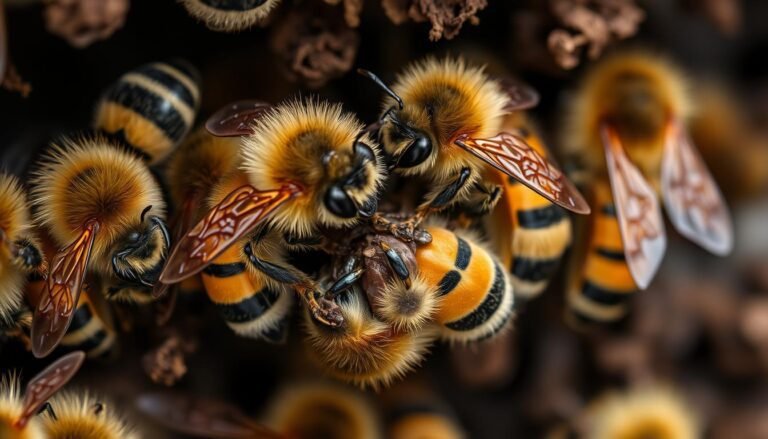
Goal: Offer clear, field-tested ways to steady a defensive colony while keeping the beekeeper safe. This intro lays out common causes and practical steps you can use on the yard.
Recognize the signs: Loud buzzing, clustering around your head, head-bumping the veil, and stingers-first exits warn of rising aggression and real danger.
Many outbreaks have clear reasons: bad weather, nectar dearth causing robbing, queen loss or a failing queen, frequent disturbance, or predator pressure. Close the hive quickly and work only during good weather windows.
Practical way forward: use smoke to mask alarm pheromones, practice gentle handling, and keep inspection cadence minimal in winter, every 7–10 days in early spring, and every 3–4 weeks in late spring and summer. These small habits protect the colony and cut risk.
For a deeper reference on tools and reading, see beekeeping resources used by experienced keepers.
Key Takeaways
- Learn to spot defensive signals early and act before escalation.
- Timing matters: pick calm weather and short inspections.
- Use smoke and gentle handling as primary field-tested tips.
- Adjust inspection frequency by season to reduce disruption.
- Many episodes are temporary when you address root causes.
Understanding Bee Aggression and Keeping Yourself Safe
Quick recognition of warning behaviors lets a keeper stop work before the situation worsens. Watch for a higher-pitched, louder buzzing and fast, erratic flight near the entrance. These signals often precede more active defense.
Reading defensive signals
Head-bumping the veil, clustering around your head, and stings on gloves are clear cues. If the hive pours out stingers-first when cracked, the safest move is to close it and return another day.
Stay calm inside the suit and close the hive promptly
Control your breathing and move deliberately. Focus on completing the close-up rather than finishing tasks if agitation rises.
- Spot escalation early: tone shifts and head-butting are red flags.
- Weather matters: work in sunny, mild weather and avoid cool, windy, or rainy days.
- Suit mindset: stay inside the suit—no swatting, no running; methodical motion lowers stimulation.
- Public safety: if bees are roving beyond the yard, warn nearby people and ask them to remain indoors briefly.
“If a hive boils over at first crack, close it immediately and reschedule for calmer days.”
After an incident, assess the hive in the following days to find the trigger before another opening. For step-by-step handling tips, see basic handling steps.
Common Reasons Bees Turn Defensive
A surge in defensive behavior usually traces back to a few clear, diagnosable problems inside the yard.

Queen issues
Queen loss or a failing queen often triggers 2–3 weeks of heightened defense while workers try to raise a replacement.
If no eggs exist, introducing a new queen is recommended rather than waiting and risking colony collapse.
Nectar dearth and robbing
Low stores during late summer can spark robbing. Invaders tear open cells and alarm pheromone draws more attackers.
Weather and season
Cool, windy, or rainy weather makes guards jumpier. Work only in sunny, temperate windows when possible.
Pests, predators and frequent disturbance
Nocturnal harassment by skunks or mice keeps guards on edge, while too-frequent inspections train a hive to expect threats.
Crushed bees release alarm pheromones that escalate conflicts across nearby hives.
“Diagnose the reason first so each intervention matches the problem rather than applying generic fixes.”
| Trigger | Typical effect | Quick response |
|---|---|---|
| Queen loss | 2–3 weeks extra defensiveness | Check brood; introduce a new queen if no eggs |
| Nectar dearth | Robbing and yard-wide aggression | Feed fondant; reduce entrances |
| Pests/predators | Persistent guarding, night stress | Secure apiary; set traps or barriers |
Best Timing to Open Hives for Calm Inspections
Good timing makes inspections safer and quicker. Pick a mid-day slot when many foragers are out. That reduces guard density and lowers the chance of immediate alarm.
Time of day
Mid-day visits are your best bet. Early morning and late evening find most workers at home, which raises defensive numbers.
Time of year
Scale inspections by season. In winter, do almost none. In early spring, check every 7–10 days. Move to every 3–4 weeks through late spring and summer to limit disturbance.
Plan around nectar flows and dearth periods so you do not stress the colony when resources are low. For guidance on inspections during lean periods, see inspections during dearth.
Weather windows
Work only on sunny, temperate days. Avoid cool, windy, or wet conditions; marginal weather can amplify agitation even before you lift a lid.
- Prepare gear and notes in advance so the opening is short and focused.
- Watch forecasts—barometric shifts before rain often make the yard edgy.
- Each calm, well-timed visit helps the colony accept brief inspections over time.
“The right hour and stable weather can mean the difference between a quick check and a defensive meltdown.”
Practical Techniques to Calm a Hot Hive
A few careful habits make it far easier to manage a hot colony without harm. These methods focus on limiting alarm pheromone spread, reducing visual triggers, and moving with purpose.

Use the smoker wisely
Light, cool smoke at the entrance and a brief puff under the lid will mask alarm pheromones. Use smoke sparingly; over-smoking burdens the colony and wastes fuel.
Move slowly and keep disruptions short
Deliberate, calm motion and short, focused checks reduce escalation. Stage tools and frames so the brood area is open the shortest time possible.
Dress and handle for minimal provocation
Wear white or smooth, light fabrics. Secure gloves and veil so no gaps attract stings. Gentle frame handling avoids crushing workers and releasing alarm scents.
“If buzzing rises and bees meet you at the top bars, pause, give a small puff of smoke, then resume slowly.”
| Action | Effect | Quick note |
|---|---|---|
| Entrance smoke | Blocks alarm pheromone | One short puff |
| Slow movement | Lower stimulation | Plan each motion |
| Gentle frame handling | Protects queen, fewer defenders | No prying or clacking |
29. how to calm aggressive bees step by step
Begin by easing the lid and watching the entrance for signs the colony is stressed. A short probe gives a clear read: if workers surge or pour out stingers-first, close the box gently and step back. Safety comes first—do not force an inspection when the reaction is strong.
Assess the scene
Crack the lid slightly and note flight patterns. If you meet a heavy rush, secure the hive and reschedule the full check for a calmer window.
Use minimal smoke
Apply a brief puff of smoker at the entrance, then one small puff under the lid. Wait a moment; the short pause often interrupts alarm signalling and lowers immediate aggression.
Limit actions; protect stores
Perform only essential tasks. Add feed if stores look low or secure honey frames if robbing is a risk. Keep frames in the box whenever possible and avoid deep manipulations.
- Start calm: read the response before widening the opening.
- Fix PPE problems: step away and adjust gear rather than leaving the hive open.
- Plan next visit: choose mid-day in good weather for follow-up checks.
- Record the event: note triggers and your actions to refine your way of handling similar episodes.
“If the hive pours out stingers-first, close it gently and return at a better time.”
For additional safety guidance, see safety precautions.
Fixing the Root Cause: From Robbing to Requeening
Quick, targeted actions can stop robbing and steady a colony before losses mount. Start by protecting stores and reducing entry points so invaders cannot overwhelm the nest.
Identify and stop robbing
Reduce entrances, remove exposed honey and tighten hardware. A narrow opening lets guards repel intruders more effectively.
Feed during dearth
Provide fondant or syrup to stabilize food levels and lower desperation that drives yard-wide raids. Timely feeding preserves honey and population.
Evaluate queen status
Check for eggs and young larvae. If no eggs exist, plan whether to allow emergency rearing or install a new queen from a reputable supplier. A new queen can end a prolonged defensive period within weeks.
Control pests and predators
Secure the perimeter against skunks, mice, and other threats that keep guards on edge. Simple barriers and traps reduce night harassment and long-term stress.
Set an inspection cadence
Keep openings minimal in winter, every 7–10 days in early spring, and every 3–4 weeks later in spring and summer. A steady schedule lets the colony work without chronic disruption.
“Address the specific problem behind the aggression rather than treating only the symptoms.”
| Problem | Immediate action | Follow-up |
|---|---|---|
| Robbing | Reduce entrances; secure honey frames | Feed and monitor for 7–14 days |
| Food shortage | Install fondant or sugar syrup | Track stores weekly until flow resumes |
| Queenless | Check brood; introduce a new queen if needed | Allow 2–3 weeks for stabilization |
| Pests/predators | Install guards and perimeter deterrents | Regular checks and hardware repairs |
For community experiences with sudden yard-wide incidents, see this thread for practical reports and solutions.
Conclusion
Often, a few clear factors explain an unsettled hive and point to practical fixes. Read early warning signs, protect yourself, and prefer a quick closure over forcing a risky inspection.
Choose the right time and use a short, measured puff of smoker when needed. Gentle frame handling and brief visits keep the colony steady and protect honey stores.
Address root causes: stop robbing, feed during dearth, and consider installing a new queen when queen issues persist. Small fixes usually restore balance.
Keep concise notes on each visit so each hive benefits from practical example-based learning. A safety-first mindset—plan, act efficiently, reassess—helps people and livestock stay safe.
For broader yard planning and related procedures see the swarming preparation guide.
FAQ
What signs show a hive is defensive?
Buzzing intensity, head-bumping on frames or the veil, and bees repeatedly flying straight at you or landing stinger-first are clear signals. Watch for rapid circling at the entrance and a sudden increase in numbers near the hive; those signs mean the colony feels threatened and you should back off.
When is the best time of day to open a hive for a calm inspection?
Midday on a warm, sunny day is ideal. Most foragers are out, reducing hive population and temper. Avoid cool, windy, or rainy conditions when bees stay clustered and become more defensive.
How does season or nectar availability affect hive temperament?
During nectar dearth or late summer stress, stores run low and robbing risk rises, making bees protective. Spring buildup and peak nectar flows tend to be calmer; adjust inspection frequency and feeding during dearths to reduce aggression.
What role does the queen play in colony aggression?
A missing or failing queen disrupts pheromone balance and can make workers irritable. Introducing a new queen or verifying queenright status often restores normal behavior within a few weeks, provided the colony accepts her.
How should I use a smoker to calm a hot hive?
Apply light, steady puffs at the entrance and a few under the lid before opening. Smoke masks alarm pheromones and encourages bees to gorge on honey, making them less likely to sting. Avoid heavy smoke that causes congestion or harm.
What clothing and handling reduce stings during inspections?
Wear a white, smooth suit, secure gloves, and a snug veil to limit gripping points. Move slowly, avoid sudden jerks, and handle frames gently to prevent crushing bees and releasing alarm pheromones.
What immediate steps should I take if bees pour out stinger-first?
Close or partially close the hive to reduce activity, retreat a safe distance, and wait 15–30 minutes. Reassess later and use light smoke at the entrance before attempting another brief, essential check.
How can I stop robbing and the aggression it causes?
Reduce the entrance size, remove or secure exposed honey, feed the colony to stabilize stores, and avoid leaving frames or supers unattended. Masking strong hive odors and positioning hives apart can also help.
When should I consider requeening a persistently aggressive colony?
If aggression continues after ruling out robbing, pests, and weather, inspect for queen problems. Requeening with a known gentle strain can calm behavior, but only do so when conditions favor acceptance and after calming measures are in place.
How do pests and predators influence hive defensiveness?
Varroa, wax moths, skunks, and raccoons stress colonies and raise alertness. Control pests with integrated methods, secure hives from predators, and maintain good hygiene to lower chronic agitation.
How often should I inspect hives to avoid provoking a defensive response?
Keep inspections as brief and infrequent as practical—typically every 7–14 days during active buildup and less during dearths. Only perform essential tasks when bees are tense; frequent disruptions raise aggression.
Can weather changes make a calm hive suddenly aggressive?
Yes. Sudden temperature drops, high winds, or rain can force foragers back into the hive and increase defensiveness. Plan work during stable, temperate windows and postpone if conditions shift unexpectedly.
What are safe first-aid steps if someone is stung multiple times?
Move the person to fresh air, remove visible stingers by scraping with a credit card, clean the area, and apply cold packs. Watch for allergic reactions; call emergency services if breathing difficulty, swelling of face/throat, or dizziness occurs.
How can I prevent alarm pheromones from spreading during inspections?
Avoid crushing bees, close hive gaps you open quickly, and work calmly. Use a light smoker and gentle handling to minimize release and diffusion of alarm chemicals that trigger mass defensiveness.