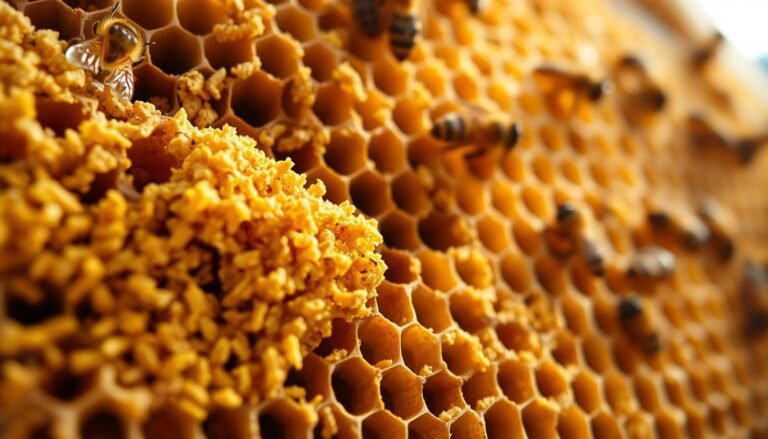
Ready to turn beekeeping passion into profit? This introduction maps core steps for a smart startup plan that balances field work, regulations, and market strategy.
Shadow experienced beekeepers early to learn daily hive routines, harvest timing, safety protocols, and seasonal labor needs. Hands-on experience reduces costly mistakes and clarifies equipment choices.
Build a written plan covering products, market overview, ownership structure, marketing approach, and financials. That plan will guide growth and support any financing request.
Verify local ordinances for backyard apiaries, packaging rules, label requirements, and online sales taxes. Consider partnerships with farms for apiary sites and pollination fees.
Tip: Diversify with beeswax goods and buy jars and labels in bulk to lower overhead. For training resources, see beekeeping courses and training.
Key Takeaways
- Get hands-on experience before major investment.
- Create detailed plan covering product mix, market, finance.
- Confirm local rules for hives, bottling, online sales.
- Diversify products to stabilize revenue.
- Buy packaging bulk and track seasonal cash flow.
Why Start a Honey Business Now in the United States
Consumer interest in local, minimally processed sweeteners is growing, creating clear opportunities for small producers who value pollinator health and regional flavor.
Local floral sources create distinct taste profiles that help new brands stand out. This terroir-driven approach connects with customers at farmers’ markets, fairs, and online channels.
Beekeeping supports nearby crops through pollination while offering revenue from multiple lines. Beyond jars, wax, propolis, and royal jelly boost margins and repeat sales.
- Education and networks: associations and workshops speed learning and access to trusted information.
- Time-to-value: careful planning can produce sellable stock by the first harvest window.
- Local testing: start small in your area to validate demand and lower risk.
Tell a clear sustainability story through marketing to justify premium pricing and build word-of-mouth. For broader context on demand, see the U.S. honey market outlook.
Validate Demand and Define Your Market Before You Buy a Hive
Walk farmers’ markets and consignment shops to catalog flavors, pack sizes, and real-world price points. Observe which varietals—wildflower, clover, buckwheat—sell quickly and note typical retail tags that customers accept.
Field research and on-site interviews
Talk with stall owners and retail managers to learn sell-through rates and seasonal peaks. Record preferred jar sizes and display methods that encourage repeat purchases.
Shadowing and practical checks
Shadow nearby beekeepers to confirm time demands, harvest cadence, and real costs for supplies. Use observations to set a realistic budget for sampling and promotions.
- Prioritize 1–2 core products for launch and keep diversification for later.
- Document labeling, bottling, and shipping questions, then resolve them before sales.
- Estimate first-year demand conservatively and test pricing against input costs.
| Focus | What to record | Quick action |
|---|---|---|
| Flavor demand | Top-selling varietals by stall and price point | Pick 1–2 launch flavors |
| Packing & pricing | Jar sizes, labels, common retail markups | Set initial price tiers |
| Operational fit | Time commitment from beekeepers, seasonal peaks | Build time-blocked schedule |
Convert your notes into a concise plan that covers product mix, customer segments, and budget. For an in-depth field guide to small-scale operations, see this bee farming business resource.
Legal, Licensing, and Zoning Essentials for U.S. Beekeepers
Before you place hives, check municipal codes and zoning maps for allowed apiary practices and setback rules. Confirm required fencing, flyway barriers, and any posted signage your area requires.
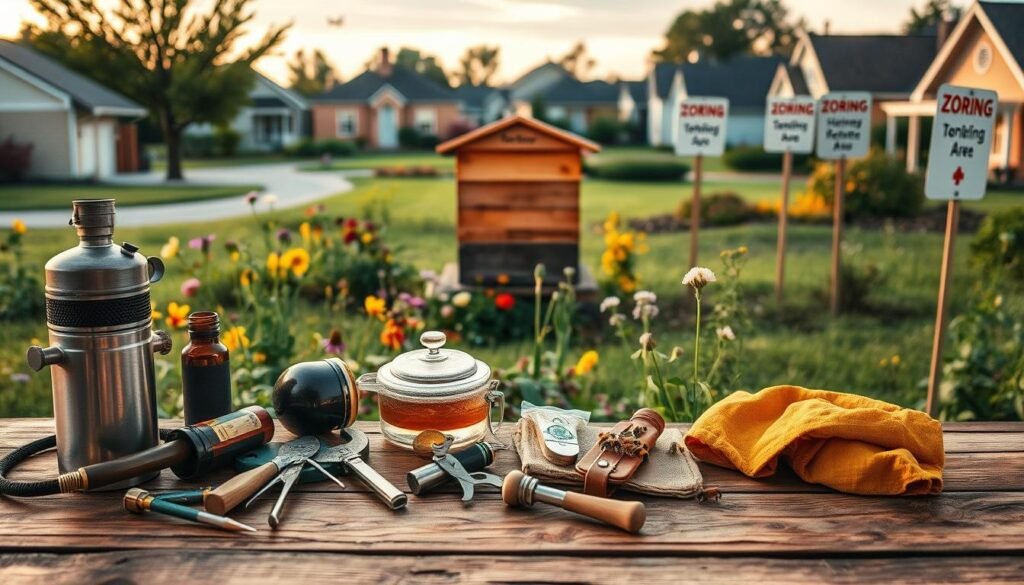
Permits and processing requirements
Identify permits you also need to harvest, bottle, sell, and ship. Some counties allow cottage food exemptions; others require a certified facility for packaging.
Labeling, claims, and certification
Make sure labels include honey type, net weight, and business contact. If you list ingredients, do so accurately and retain batch records for traceability.
Compliance checklist
- Confirm backyard apiary rules and hive setbacks.
- Document which agencies govern bottling and shipping permits; you may also need a commercial kitchen.
- Clarify raw vs. pasteurized definitions and avoid misleading claims.
- Evaluate organic certification needs versus expected premium.
| Issue | Action | Result |
|---|---|---|
| Zoning | Check city/county code and setbacks | Legal hive placement |
| Permits | List local, state, federal requirements | Permitted sales and shipping |
| Labeling | Include type, weight, contact | Consumer trust and compliance |
| Production | Confirm if home bottling allowed | Correct workflow and packaging |
Build this compliance list into your plan and review it regularly. For seasonal timing and operational tasks, see seasonal tasks.
Build a Practical Business Plan and Startup Budget
Draft a compact operational plan that links product choices to cash flow and market channels. This business plan should name SKUs, price targets, ownership structure, and basic financials.
Products, pricing, and local competitive analysis
List core SKUs: liquid, creamed, and comb with sizes and pack notes. Compare local sellers to set launch prices that protect margin yet suit local markets.
Startup costs and ongoing expenses
Model upfront purchases: hives, protective gear, smoker, hive tool, and extractor. Add ongoing expenses for feed, miticides, jars, and labels so your budget is realistic.
Cash flow, timing, and marketing mix
Build a cash-flow calendar that matches equipment outlay, midseason feeding, and post-harvest bottling. Define initial marketing channels—farmers’ markets, consignment, and online—and list display and creative needs.
- KPIs: cost per jar, average selling price, gross margin, sell-through by channel.
- Staffing: set customer acquisition goals and the time needed to staff markets and fulfill orders.
- Risk: include buffers for variable yields and triggers to adjust prices or batch sizes.
| Item | Typical cost | When paid | Impact on margin |
|---|---|---|---|
| Hive & colonies | $150–$300 per hive | Startup | High |
| Extractor & tools | $300–$1,200 | Startup | High |
| Jars & labels | $0.50–$2.00 per unit | Ongoing (bulk) | Medium (reducible) |
| Feed, meds, insurance | $100–$500 annual | Seasonal/annual | Low–Medium |
Review the business plan monthly during peak season to keep the budget current and respond quickly to changing demand.
Set Up Your Apiary: Equipment, Bees, and Location
A well-chosen site and the right kit cut early headaches and speed colony build-up. Start by listing essential equipment and tools you’ll need immediately: protective suit, gloves, veil, smoker, hive tool, and a honey extractor. Balance quality with budget so gear lasts multiple seasons.
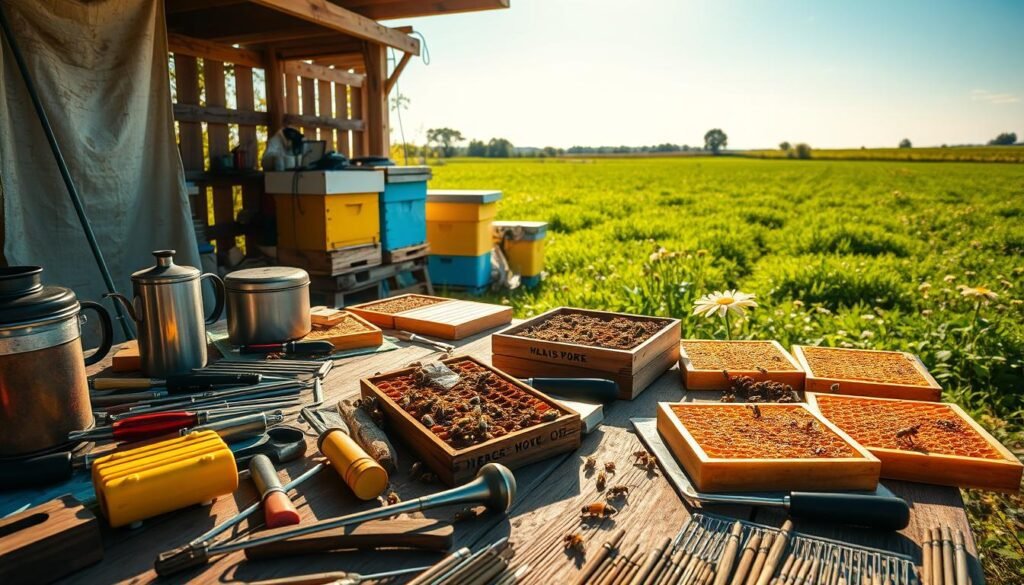
Decide on hive types and counts for year one and standardize components to simplify inspections, feeding, and supering. Source healthy bee colonies or nucs from reputable local suppliers to match your climate and reduce stress on installation.
Site and partners
- Evaluate forage, sunlight, drainage, wind protection, and nearby water to avoid nuisance.
- Confirm local pesticide practices and distance to crops to protect colonies.
- Partner with farms for apiary space or pollination fees; formalize access and revenue or honey-split terms.
Plan layout for safe working lanes and space for moving supers. On installation day place equipment, introduce bees, verify queen status, and set initial feed. Schedule early build-up checks so colonies can stabilize before your first flow.
Daily Operations: Beekeeping, Colony Health, and Harvest Timing
Set a simple daily routine that keeps colonies strong and inspections consistent. Small, regular checks reveal queen issues, food shortages, and pest pressure before they worsen.
Routine inspections, feeding, and pest management
Establish weekly or biweekly inspections during peak season to review brood, stores, and mite loads. Record notes per hive so you can track queen performance and intervention history.
Provide supplemental feed and water when nectar is scarce. Define thresholds for syrup or patties so feeding supports brood rearing without encouraging robbing.
Monitor Varroa. Use sticky boards or alcohol washes and treat promptly to protect colonies and reduce virus risks.
When to harvest: capped frames, moisture targets, and seasonality
Only harvest capped frames and test moisture near 18% to prevent fermentation. Time extraction around nectar flows and favorable weather.
After extraction, return wet supers quickly for clean-up and to let bees finish storage. Standardize records for harvest dates and yields so future planning is easier.
| Task | Indicator | Action |
|---|---|---|
| Inspection cadence | Weekly/biweekly in peak | Log brood pattern, stores, pests |
| Feeding | Low stores or dearth | Supply syrup or patties; provide water |
| Varroa control | Threshold exceeded | Treat and recheck within 2–4 weeks |
| Harvest | Capped frames & ~18% moisture | Extract, return supers, document yield |
Train helpers on calm handling and clear recordkeeping to keep work efficient. Watch nearby bloom cycles to forecast pollination strength and add supers ahead of peak flows.
Packaging, Bottling, and Labels That Sell
Packaging choices shape perception before customers taste anything. Pick containers that balance shelf appeal, durability, and shipping needs.
Container options and bottling workflow
Choose glass jars for premium shelves, plastic bears for casual retail, and bulk drums for wholesale. Build a simple bottling flow: warm, filter, fill, cap, and batch-code.
Label requirements and brand signals
Compliant labels must list type, net weight, and contact details. If you add other ingredients or claim floral source and harvest date, include that clearly.
- Select sizes that match channels and price points.
- Use the extractor or honey extractor steps to preserve flavor and clarity.
- Buy jars, lids, and labels in bulk to cut unit costs and avoid shortages.
- Add tamper seals and clear product info for retail acceptance.
Branding matters. Build a visual kit and product descriptions that support market positioning. Track packaging cost per unit to protect margins and use consistent assets for marketing and for links such as honey grading standards.
14. starting a honey business in the United States: Marketing, Sales Channels, and Customer Growth
Launch sales locally by telling your farm-to-jar story where shoppers can taste and ask questions.
Local pathways: farmers’ markets, fairs, consignment
Begin at nearby markets and fairs where sampling speeds trust and trial. Offer small sample spoons and clear labels that note floral source and harvest date.
Set clear consignment terms — pricing, restocking cadence, payment timing, and who handles damaged stock. Good terms keep relationships simple and scalable.
Direct-to-consumer online: website, social media, shipping
Build a clean product page with shipping rules, returns, and photos of your apiary. Use social posts for harvest updates, recipes, and behind-the-scenes videos to grow followers.
Confirm taxes and cross-border rules before shipping widely to avoid surprises.
Diversify products and partnerships
Expand with beeswax candles, balms, propolis, and pollen to lift average order value. Pilot wholesale with cafes and specialty grocers using case-ready packs.
| Channel | Key action | Metric |
|---|---|---|
| Farmers’ markets | Sampling + storytelling | Sell-through % |
| Consignment | Clear terms + restock plan | Payment lag (days) |
| Website | Product pages + shipping | Conversion rate |
| Wholesale | Case packs + shelf-ready labels | Average order size |
Networking and growth tactics
Join associations and workshops to learn best practice and gain referrals. Mentors help refine pricing and operations quickly.
Track channels by margin, returns, and sell-through. Offer a simple loyalty plan or subscription to keep repeat buyers returning each season.
Financial Reality: Costs, Revenue Streams, and Profitability
Run a conservative cash model that ties per-hive yields to actual market prices and seasonal channels. Start by listing annual costs and projecting realistic revenues so decisions on growth are data-driven.
Key operating expenses
- Recurring costs: frames/foundation replacement, miticides, feed, jars and labels, and equipment maintenance.
- Fixed premiums: liability insurance, extractor capacity, and market fees.
- Labor and transport: packing, hauling hives for pollination, and seasonal help.
Modeling yields and margins
Build a conservative revenue plan using average yield per hive and channel mix. Factor lower yields from overwinter losses and realistic pricing for retail and wholesale.
Scaling and revenue diversification
Compare the money spent on preventive mite treatment versus the higher cost of replacing lost colonies. Include lines for beeswax, propolis, and pollination services so the plan shows total income, not just jars.
| Decision | Impact | Action |
|---|---|---|
| Add hives | More revenue, more labor | Model extraction capacity and equipment needs |
| Offer pollination | Seasonal fees, transport cost | Set service rates and strength requirements |
| Create nucs | Lower replacement cost | Allocate time and materials for splits |
Set price floors that protect margin after expenses, merchant fees, and market costs. Review actuals monthly and update your plan. For deeper financial context, see this economic analysis.
Conclusion
, Practical planning and mentor-led learning shorten the path to reliable yields and sales.
Recap: Validate demand, write a disciplined business plan, then commit to steady beekeeping habits. Keep inspections short, use proper protective gear and tools, and maintain equipment such as an extractor and smoker for safe harvests.
Follow legal steps for labels and bottling to protect reputation. Choose a site with forage, water, wind shelter, and enough space so hives can thrive. Seek guidance from seasoned beekeepers and associations to cut learning time.
Diversify with wax and propolis while tracking costs and seasonal limits. Revisit your plan after each season, adjust pricing and channels, then finalize startup purchases, secure site approval, source bee colonies, and set inspection plus harvest milestones. For expansion guidance see beekeeping expansion tips.
FAQ
What initial research should I do before buying my first hive?
Study local markets for flavors and price points, visit farmers’ markets, and sample regional jars. Shadow nearby beekeepers to learn time commitments, typical seasonal tasks, and common costs. Check forage availability and speak with local extension agents about regional pests and weather impacts.
Do I need permits or licenses to sell honey and related products?
Yes. Requirements vary by city and state. You may need a food-handler permit, cottage food registration, or a commercial kitchen for bottling. If you ship across state lines, federal rules apply. Contact your state department of agriculture and local health department early.
How should I label jars to meet USDA and state rules?
Labels must include product identity, net weight, ingredient list if blended, and your contact information. Avoid unverified claims like “organic” unless certified. If you label “raw,” ensure processing matches that definition under local rules.
What essential equipment do I need to start with a few hives?
Core tools include a smoker, protective suit or veil, hive tool, frames, brood boxes, and a honey extractor for bottling. Add feeders, a queen excluder if you use one, and basic testing equipment for moisture and purity.
Where should I place hives on my property or with a partner farm?
Choose a site with good forage, accessible water, afternoon shade, and protection from prevailing winds. Ensure space for hive management and safe ingress/egress for bees. If partnering with a farmer, clarify access, pollination fees, and liability in writing.
How many colonies should I start with to be profitable?
Profitability depends on goals. Many new producers begin with 2–6 colonies to learn basics and supply local markets. To generate meaningful income, consider scaling to 20+ hives, offering pollination, or diversifying products like candles and balms.
What are realistic yields per hive and how does that affect pricing?
Yields vary by region and year. A healthy colony might produce 30–60 pounds of harvestable honey in good seasons. Model margins using conservative yields, factoring in jar and label costs, labor, equipment depreciation, and market prices for local comparables.
When is the right time to harvest honey?
Harvest when frames show capped honey and moisture reads under recommended levels (typically below 18–19% depending on local guidance). Timing also depends on nectar flows, so plan around peak forage and leave enough stores for winter or feed as needed.
How do I manage pests and diseases in my apiary?
Implement routine inspections, integrated pest management, and monitoring for varroa, American foulbrood, and other threats. Rotate treatments, maintain hive hygiene, and consult local beekeeping associations for regional treatment protocols and resistant stock options.
What packaging options sell best at farmers’ markets and online?
Glass jars convey quality and can command higher prices; plastic squeezable bottles or bear-shaped containers appeal to convenience buyers. Offer multiple sizes, clear, compliant labels, and eco-friendly options when possible. Buying in bulk lowers per-unit costs.
How can I market and sell my product effectively on a small budget?
Start local: farmers’ markets, farm stands, and retail consignment build brand recognition. Use social media and a simple website for orders and storytelling about your bees and habitat. Offer tastings, bundle products, and partner with local chefs or retailers for cross-promotion.
What additional products should I consider to diversify revenue?
Consider beeswax candles, lip balms, salves, propolis tinctures, pollen, and selling nucs or queen-rearing services. Pollination contracts for orchards or crops can provide steady income and justify expanding colonies.
How do I estimate startup and ongoing expenses for a beekeeping operation?
Startup costs include hives, protective gear, extractor, initial bee colonies or nucs, and labeling/packaging. Ongoing costs cover feed, medications, replacement equipment, jars, insurance, and market fees. Create cash-flow projections for at least two seasons.
Can I bottle honey at home, and what are sanitary requirements?
Many states allow home bottling under cottage food laws; others require a licensed kitchen. Follow sanitary practices: clean bottling area, use sanitized jars and equipment, and store finished product at safe temperatures. Check local health department rules first.
Where can I find training, mentorship, and networking for new beekeepers?
Join state beekeepers’ associations, local clubs, and workshops offered by county extension offices. Online resources from the American Beekeeping Federation and courses from Cornell University or Penn State Extension provide solid technical guidance and business planning help.