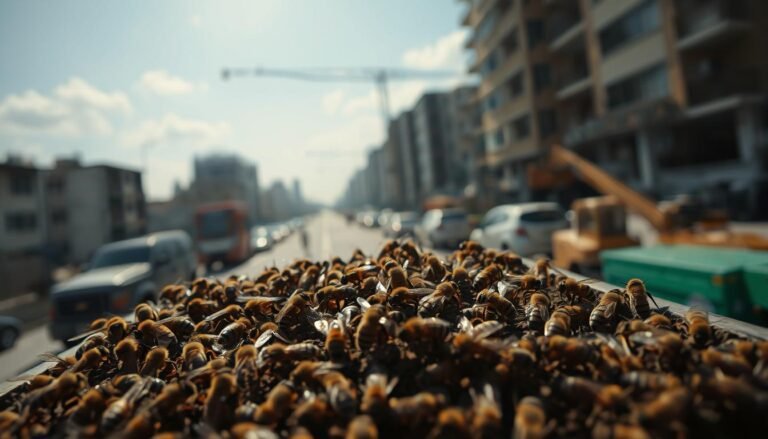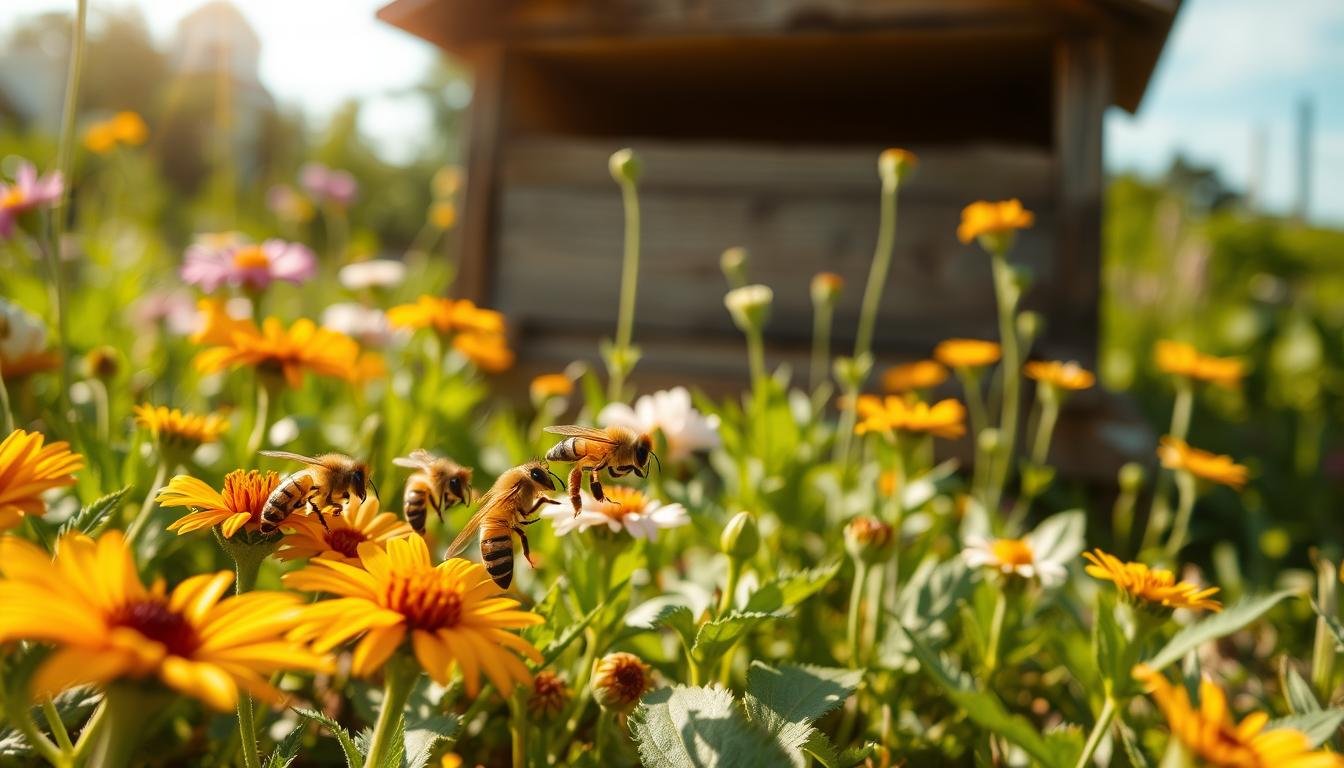
Absconding describes when an entire colony leaves a nest and does not return. This is different from a swarm. Understanding that distinction sets clear expectations for beekeepers about final departures.
New-wood smells, paint off-gassing, repeated loud noise, strong odors, predators, and pests can push a colony out during early installation. Small issues add up and a stressed cluster will seek a safer box.
Frames of brood, or dark brood comb, anchor a group better than any scent trick. Warm syrup or honey frames and careful queen handling help stabilize the colony during the settling process. Simple steps often prevent avoidable losses.
Key Takeaways
- Absconding is final and differs from swarming.
- New equipment odors and environmental stressors are common reasons for departure.
- Frames of brood or dark comb greatly improve retention.
- Manage the queen and resources gently at install.
- Watch entrance activity and clustering in the first days.
- Simple prep and follow-up protect colony health and reduce losses.
Understanding the problem: why bees refuse to enter a new hive
When hive cues fail and stress mounts, the entire group can pack up and fly off. Early departures happen fast and leave a silent, empty box that once held life.
Search intent: readers want clear reasons and practical steps for a smooth introduction. This section maps the question to actions beekeepers can use during the first one or two days and the following week.
Absconding versus swarm signals
Absconding is full abandonment: a vacant hive and little traffic. In contrast, a swarm splits a thriving colony and shows booming activity before workers leave.
Recognize cues: silence and no brood point to absconding. Loud, organized departure and clustering away from the entrance usually indicate a likely swarm event.
- Core drivers: new-wood smell, paint off‑gassing, predators, and repeated disturbance.
- Stabilizers: queen pheromones, frames with brood or dark comb, and early comb building.
- Practical tip: keep the queen caged until comb is started, then release her when workers show consistent building behavior.
| Issue | Signal | Immediate fix |
|---|---|---|
| New timber odor | Empty or agitated hive | Air boxes, add brood comb |
| Predator pressure | Restless clustering, bearding | Shorten entrance, add guard |
| Queen signal weak | Scattered flight, queenless signs | Keep queen caged, introduce brood |
Later sections will detail the process, timed inspections, and staged feeding. Acting quickly in the first day and week cuts the chance of total loss and keeps colonies home.
Diagnose first: signs your installation is failing
Small behaviors at the doorway reveal big problems; spot them early and you can usually save the setup.
Early warning clues: loose, restless clustering off the landing, persistent bearding away from the entrance, and a drop to near silence after day three are red flags.
Normal orientation flights are short and looping near the portal. If flight ranges expand or workers do not return, the pattern suggests the colony may be preparing to leave.

Quick checklist for diagnosis
- Confirm queen status: is she caged, released, or missing? A quick visual or gentle frame check helps.
- Look for eggs or fresh comb start; no brood after several days is worrying.
- Count dead bees on the bottom board; only a handful on day three often signals absconding.
- Note entrance traffic levels and any excessive bearding that is not heat-related.
- Sniff around for strong off-gassing from paint, glue, or plastic; odors can block colony cues.
- Record ambient stresses: predators at night or loud equipment in the area.
| Sign | What it suggests | Immediate action |
|---|---|---|
| Bearding away from entrance | House‑hunting or stress | Reduce entrance, add resource frame |
| Minimal traffic by day three | Package may have absconded | Check queen, add brood frame, feed |
| Strong chemical odor | Communication interference | Air out boxes, move hive if possible |
If basic signs point toward departure, act fast: secure resources, check the queen, and reduce the opening. For timing and follow-up checks, see this winter inspection guide and the seasonal beekeeping calendar.
Common causes: “house hunting” and new equipment turn-offs
House hunting describes when an installed group explores other options instead of settling. New boxes can smell foreign and that scent alone will start exploration behavior.
Fresh lumber and off‑gassing are top culprits. New wood, paint, primer, glue, and plastic release volatile compounds. Those odors interfere with pheromone signals inside the hive and make the colony uneasy.
Extra queens and packaged setup pitfalls
Some packaged bees include an extra uncaged queen. If workers locate her outside the cage, they may follow her out and leave the installed queen behind. That can produce a sudden, total departure.
Practical acceptance fixes
- Airing new hives for days or weeks reduces off‑gassing and eases acceptance.
- Apply a very thin beeswax coat inside to add familiar scent cues.
- Shake packaged bees through a queen excluder to catch stray queens before installation.
- Add one small frame of honey or dark brood comb to anchor the colony with food and familiar wax signals.
| Cause | Effect | Fix |
|---|---|---|
| Fresh lumber smell | Scouting, rejection | Air boxes; wait several days |
| Paint/primer off‑gassing | Pheromone disruption | Use low‑VOC products; air out |
| Extra uncaged queen in package | Colony follows wrong queen | Shake through excluder; inspect package |
Environmental stressors that push bees to leave
Chronic disturbance and loud vibrations can erode colony calm in just a few days. Repeated noise, intrusive checks, and poor ventilation interfere with pheromone flow and make workers unsettled.
Noise, frequent manipulations, and poor ventilation
Too many inspections or heavy machinery nearby raises defensiveness and halts normal work. Open vents that create drafts lower box temperature and disrupt brood care. Schedule short, gentle checks on calm, sunny days—late morning to early afternoon—and use a smoker sparingly.
Predators and pests
Skunks that hunt at night and small hive beetles that invade combs cause sustained harassment. Persistent pressure in the area can drive a colony out if losses mount.
“Sustained harassment at the entrance often precedes sudden departures; act before behavior escalates.”
Starvation and nectar dearths
When nectar, pollen, or water runs low, agitation increases and the risk that bees might leave rises. Provide warm syrup feeders, a frame of honey, and a reliable water source during short dearths.
- Mitigations: reduce the entrance, stabilize internal climate, and limit handling during the first days.
- Place feeders where workers can reach warm syrup and add a brood frame if available.
- Watch over several days for increasing defensiveness, scattered clustering, or falling foraging activity and intervene quickly.
| Stress | Signal | Action |
|---|---|---|
| Noise/vibration | Agitated flight, loud buzzing | Limit nearby activity; move hive if possible |
| Predator pressure | Night losses, bearding | Shorten entrance; install guards |
| Food dearth | Reduced foraging, hunger flights | Feed warm syrup; add honey frame |
For broader context on social stress and collapse risk, see the social imbalance study.
Health-driven departures: the “death by a thousand cuts” scenario
Hidden disease and parasite pressure can slowly erode hive strength and create the illusion of intentional leaving. Many fall cases labeled as absconding are actually progressive collapse from varroa and associated viruses.

Varroa and viruses mimicking progressive absconding
Varroa mites transmit viruses that reduce worker lifespan and flight ability. As workers die or drift, traffic dwindles and the colony seems to thin out over days or weeks.
Timely monitoring and targeted treatments matter. Regular mite counts, winter varroa controls, and viral checks prevent slow attrition that looks like abandonment.
Queen problems: mean queens, queenless stress, and temperament shifts
Queen failure or aggressive temperament can destabilize a colony fast. A “mean queen” or a period of queenlessness raises stress, increases drifting, and reduces brood production.
Requeening with a known stock stabilizes behavior. Check queen presence, laying pattern, and drone availability in the area before assuming environmental causes.
- Signs of health-driven loss: steady decline in numbers, spotty brood, and rising mite loads.
- Action points: confirm queen status, perform mite treatment, and plan requeening if temperament or fertility is poor.
- Genetics matter: unmanaged cross-breeding in the area can produce defensive colonies; choose tolerant, local-tested queens.
“Many colonies that ‘absconded’ were actually victims of slow disease progression, not voluntary departure.”
| Problem | Signal | Immediate fix |
|---|---|---|
| Varroa/viruses | Gradual loss, spotty brood | Mite count; treat per local protocol |
| Queen failure/temperament | Erratic brood, aggression | Confirm queen; requeen with known stock |
| Poor mating (few drones) | Failed new queens; low brood | Source mated queens or improve drone availability |
Step-by-step: how to introduce bees to a new hive and keep them home
Small comforts inside the box help a newly moved cluster settle and begin work quickly. This short process reduces stress and anchors the group during the first critical days.
Prepare the box
Air new equipment for several days to remove volatile odors from wood, paint, and glue. Rub a thin coat of beeswax inside to give familiar scent cues.
Anchor with resources
Add one frame of brood if available. If not, use clean dark brood comb or a frame of honey so the colony finds familiar food and wax signals.
Manage the queen
Keep the queen caged until workers start drawing a few square inches of comb, then release her so pheromone bonding aligns with visible nest building.
Feeding strategy
Place frames of honey or warm internal syrup above the cluster. Warm, close feed and easy access to water or nectar sources reduce early hunger flights.
Secure setup
Reduce the entrance and limit ventilation briefly. Avoid open screen bottoms or inner covers until the colony establishes brood and comb.
- Day 1: minimal disturbance; confirm queen is present and feed accessible.
- Days 2–5: brief checks, keep entrance small, add feed if workers are building.
- Day 7–10: release queen if comb drawing is underway; slowly normalize ventilation.
| Issue | Signal | Quick fix |
|---|---|---|
| Strong odor | Agitation | Air box; beeswax coat |
| No brood frame | Restless scouting | Add dark brood comb |
| Hungry cluster | Increased flights | Warm syrup or honey frame |
Advanced tactics to prevent absconding from new hives
Preventive screening and short-term controls give new colonies time to settle. Use these tactics only as temporary measures and always pair them with resource frames and calm handling.
Pre-screen packaged bees with a queen excluder
How it works: shake packaged bees through a queen excluder set over a clean box. Any free-running queen will be caught beneath the excluder and can be removed before installation.
Temporary entrance excluder: placement and timing
Fit a queen excluder between the bottom box and the landing so the queen and drones cannot exit immediately. Keep it in place for 3–5 days while workers draw comb and feed the cluster.
- Trade‑offs: extended use traps drones and may hinder early foraging. Remove promptly once comb drawing and steady traffic appear.
- Combine these methods with brood frames, warm internal syrup, and low disturbance to anchor the colony.
“Use excluders as precise, short‑term tools—not permanent fixes.”
| Step | Purpose | Timing |
|---|---|---|
| Shake-through excluder | Detect stray queens | Before installing packaged bees |
| Entrance excluder | Prevent immediate exit | 3–5 days after install |
| Remove excluder | Restore drone movement | When comb drawing and steady traffic present |
Quick risk checklist: strong off‑gassing, prior absconding at the site, or past packages with extra queens. If any apply, these steps are warranted.
For further prevention tips, see this guide on preventing absconding: prevent absconding.
Special cases and field realities in the United States
Packaged stock and wild swarms behave very differently at installation; each needs its own handling plan.
Packaged bees versus swarms
Packaged colonies in brand‑new boxes often lack familiar scent cues and need brood or honey frames to anchor them.
Swarms usually arrive pre‑committed after scouts find a cavity and will cluster quickly in one hive.
Inspection timing and weather windows
Work hives on calm, sunny days and avoid windy, rainy, or cold weather that raises defensiveness.
Use smoke sparingly and schedule checks during peak foraging hours so disturbance is minimal.
Africanized genetics and requeening
In some regions, aggressive cross‑breeding increases defensive behavior.
Requeening with a trusted strain and monitoring temperament resets colony stability in many cases.
When colonies might join another hive
Foragers carrying nectar may be admitted at an entrance temporarily.
Also, a swarm can supplant a weak, queenless hive and take over the comb.
Practical steps: check for eggs and brood before requeening, time inspections around weather, and choose treatments that favor acceptance. For region‑specific timing and climate advice, consult this climate guide.
Conclusion
Good scent cues and an easy food supply make a new home feel familiar fast. Reduce fresh-wood off‑gassing, add dark brood or a honey frame, and keep the queen secured until workers draw comb. These measures anchor the colony and cut stress.
Practical reality: noise, predators, poor weather, and mites still force some colonies away. Swarm events or health decline can override careful prep, so monitor traffic and brood closely in the first week.
Action list: air boxes, prep warm feed, shorten the entrance, confirm queen status, pick calm days, and schedule short follow‑ups. Do this and you greatly improve the chance the hive stays and makes honey.
FAQ
What are the main reasons a colony won’t accept a replacement box?
New timber off-gassing, strong chemical smells from paint or glue, lack of familiar hive scent, and sudden changes in ventilation often deter colonies. Stress from frequent inspections, predators nearby, or limited forage also lowers acceptance. Check for queen status and food stores first.
How can I tell absconding is happening rather than normal orientation flights?
Signs of absconding include large numbers leaving the site, a sudden drop in entrance activity after a few days, clustering away from the box, and many dead bees near the stand. Orientation flights are short, repeated, and return to the colony; absconding is sustained departure.
Could a second, uncaged queen in a package cause a colony departure?
Yes. An extra uncaged queen creates internal conflict and confusion. Workers may reject or abandon the location while attempting to resolve queen rivalry. When installing packages, always verify queen status and cage her until the colony establishes comb and pheromones settle.
What immediate steps reduce the chance of the colony leaving after installation?
Air out new equipment for several days, add a frame of drawn comb or brood if possible, provide syrup or frames of honey, reduce the entrance size, and limit inspections for the first week. Keep the stand level and sheltered from direct wind and heavy traffic.
How important is queen management during setup?
Crucial. A stable, accepted queen helps the colony feel secure. Keep a newly introduced queen caged until workers acclimate to comb and resources. Monitor egg-laying and brood pattern within two weeks to confirm her acceptance and colony stability.
What role does local forage and water play in acceptance?
Adequate nectar, pollen, and nearby water reduce abandonment risk. In dearth periods, colonies become restless and may seek better sites. Supplemental feeding with warm syrup or frames of honey helps anchor the bees until natural forage returns.
Can pests or predators force a colony out of its box?
Yes. Persistent small hive beetle infestations, heavy varroa pressure, wasp predation, or frequent skunk harassment can push workers to quit a site. Treat and protect the colony quickly and assess whether relocation or requeening is needed.
Are freshly built boxes a problem, and how do I mitigate that?
Fresh lumber and new paint release odors that mask colony pheromones. Cure boxes outdoors for several days, use low-VOC paints, or rub light beeswax on interior surfaces. Introducing a frame of old comb speeds recognition.
What advanced checks can reduce the risk of an unexpected departure?
Shake package bees through a queen excluder to reveal stray queens, inspect for brood and queenright signs frequently during the first two weeks, and use temporary entrance reducers or excluders to stabilize traffic. Match timing to calm weather windows for minimal disturbance.
How do regional factors in the United States affect acceptance?
Weather, nectar flows, and local genetics matter. Cold, wet, or windy conditions suppress activity and hinder establishment. Africanized genetics increase defensive behavior and may require requeening. Choose installation times aligned with local forage peaks.
When should I suspect health issues like varroa or viruses are causing departure?
If you observe high mortality, spotty brood patterns, deformed workers, or a weak, erratic queen appearance, suspect parasites or pathogens. Run mite counts and virus screening where practical, and consider treatment or requeening to restore colony vigor.
Can I use honey frames or brood frames from another colony to anchor a new installation?
Yes. Introducing a frame of stored honey or dark brood comb transfers familiar odor and resources, helping workers accept the site. Ensure donor material comes from a healthy, disease-free colony to avoid spreading pests or pathogens.
What inspection timing and frequency reduce disruption during establishment?
Limit checks to essential observations during the first 7–10 days. Plan inspections on warm, calm afternoons when foragers are out. Quick, purposeful visits minimize alarm and reduce the chance of abandonment.