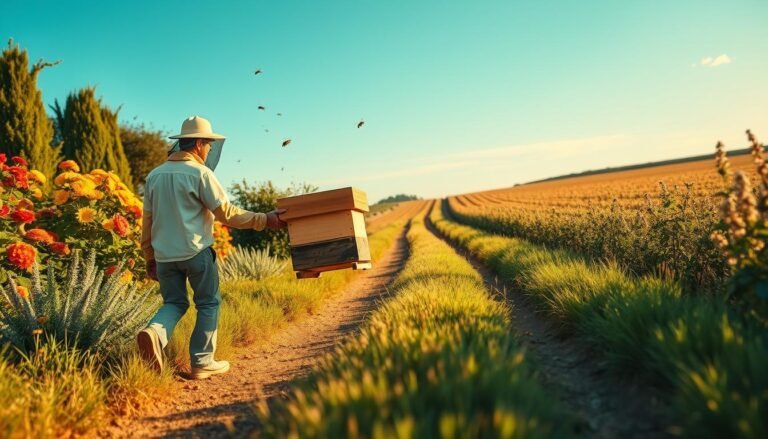
Honey’s long shelf life comes from high sugar, low moisture, acidic pH, and natural antimicrobials. These properties make it one of the most stable foods, yet poor storage or handling can reduce quality and create risks for fermentation or off flavors.
Use airtight glass jars with tight lids and keep containers away from heat, direct light, and strong odors. Plastic can let water vapor and smells pass through, which leads to moisture gain and off aromas over time. Crystallization is normal; gently warm a jar in water near 104°F to re-liquefy.
Watch for spoilage signs such as foam, an alcohol-like smell, or unusual color and flavor. Simple habits — keeping lids tight, managing humidity, and preventing cross-contact — extend shelf life for years and protect health and quality.
Key Takeaways
- Store in airtight glass and keep jars cool, dark, and dry.
- Limit moisture and air exposure to prevent yeast growth and fermentation.
- Crystallization is natural; re-liquefy with warm (about 104°F) water.
- Avoid strong odors near stored jars; honey absorbs nearby smells.
- Check for foam, off-odors, or strange color as signs of spoilage.
- For detailed storage steps, see best practices for storing honey.
Why Honey Rarely Spoils—and How Contamination Still Happens
Natural chemistry gives this sweet product remarkable resistance against spoilage.
Built‑in safety comes from roughly 80% sugar and about 17–18% water. Low water activity, an average pH near 3.9, and bee-derived enzymes that produce gluconic acid and hydrogen peroxide all suppress microbes.
Dense syrup limits oxygen diffusion, so many bacteria and yeasts cannot grow. Small numbers of microbes arrive with pollen, nectar, dust, and bees, yet they usually remain dormant.
Where risks enter
Secondary contamination happens during the process stage. People, unclean equipment, windblown dust, insects, animals, and water can introduce organisms. If water content rises, yeasts can multiply and cause fermentation.
- Health note: Some samples contain C. botulinum spores, so infants under one year should not be fed this product.
- Storage and containers must keep air and water out to maintain safety and quality.
| Intrinsic Defense | Contamination Vector | Risk if Water Rises |
|---|---|---|
| High sugar / low water activity | Hands, equipment | Yeast growth and fermentation |
| Acidity and peroxide | Air, dust, pollen | Off-odors, off-flavors |
| Low oxygen diffusion | Water intrusion, poor lids | Bacterial proliferation |
For more on shelf life and signs of spoilage visit this guide.
How to Avoid Honey Contamination
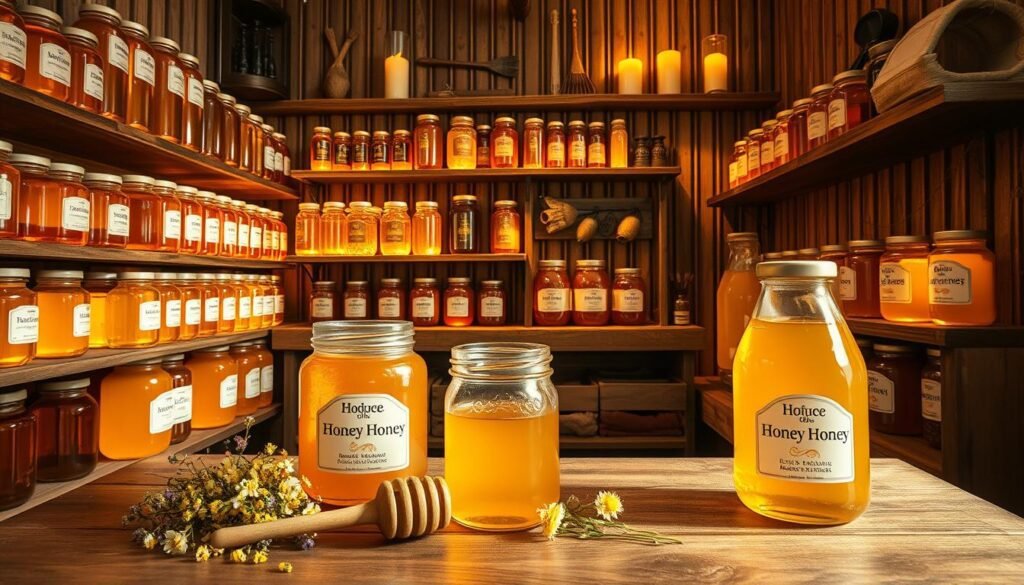
Set up a consistent storage environment and you greatly reduce risks that damage quality.
Keep jars cool, dark, and dry. A pantry between 50–70°F works well; cooler is better if available. Avoid direct sunlight and heat near stoves or ovens.
Control moisture and air exposure
Use airtight lids and keep headspace low. That limits air exchange and prevents moisture uptake that enables yeast growth.
Always handle with clean, dry utensils. Even a wet spoon can introduce enough moisture to start fermentation.
Choose proper containers and lids
Glass with tight seals beats plastic for long-term storage. Plastic can let water vapor and odors pass through and change flavor.
- Wipe rims and threads before sealing.
- Decant large purchases into smaller, sealed jars for daily use.
- If crystallization happens, re-liquefy the sealed jar in warm water (~104°F) rather than heating directly.
| Action | What it protects | Result |
|---|---|---|
| Cool, dark storage | Flavor, color | Slows quality loss |
| Airtight glass container | Moisture and odors | Stable water activity |
| Dry utensils only | Yeast seeding | Lower fermentation risk |
For practical tips on storing jars and selecting containers, see best ways to store honey.
Best Containers and Materials: Glass, Lids, and What to Avoid
Selecting the right vessel preserves flavor and keeps product properties stable. A thick glass jar with a gasketed lid gives the best barrier against ambient humidity and air exchange.
Why glass outperforms plastic
Glass is impermeable to water vapor and odors. That limits moisture gain that could raise the water content and invite yeast growth. Plastic lets gas and smells pass slowly, which can shift flavor and reduce overall quality.
Options for bulk storage
For large batches, use food-grade stainless steel with tight, gasketed lids. Stainless provides a durable, neutral surface that protects sugar and natural antimicrobial properties in long-term storage.
Seal integrity and placement
- Check liners and replace worn gaskets; clean threads before closing.
- Keep jars away from onions, garlic, spices, and solvents that emit strong odors.
- Decant into smaller glass jars for daily use to limit repeated air exposure.
For practical container guides, see this best container recommendations and a commercial perspective at storage best practices.
Temperature, Light, and Time: Optimizing Storage for Quality and Shelf Life
A stable, cool pantry slows chemical changes that degrade taste and color over years. Target a steady range near 50–70°F; cooler than 50°F is even better for long-term life while remaining practical.
Keep jars out of direct sunlight and away from ovens, dishwashers, and radiators. Light and heat speed darkening and loss of delicate flavor compounds. Over time these changes become noticeable.
Crystallization is a natural result of sugar saturation and does not mean spoilage. Restore a silky texture by placing the sealed jar in warm water at about 104°F and stirring gently.
- Use moderate temperatures for liquid product; very cold speeds crystallization.
- Freeze prized varietals to lock peak taste and slow chemical shifts.
- Limit temperature swings; repeated cycles invite moisture entry and raise fermentation risk.
For technical background on grading and long‑term handling, see grading standards.
Clean Handling: Utensils, Transfers, and Everyday Use
Simple kitchen routines keep jars, utensils, and transfers free from unwanted microbes. Good habits at the moment of serving and decanting protect flavor and health.

Dry utensils only: always use completely dry spoons or spreaders. Even a small amount of water on a tool can dilute the jar surface and allow yeasts or bacteria to begin growth.
Assign a dedicated spoon for this product in busy households so people do not cross‑use tools during cooking. Pour onto a spoon rather than dipping a wet utensil into the container.
Transfers and storage: when moving product between containers, sanitize and fully dry new jars, funnels, and lids first. Wipe threads after use and close lids promptly to cut air and humidity exposure.
- Skip double‑dipping from bread, tea, or dairy products that can introduce crumbs and moisture.
- In commercial setups, run clean‑in‑place routines for pumps and confirm gaskets are dry before reassembly.
- Discard jars that smell alcoholic, show foam, or develop pink slime — these are signs of spoilage and risk to health.
Safety note: consistent, dry handling is one of the simplest steps that preserves quality during regular use and limits contamination risk over long storage.
Raw, Processed, and Creamed Honey: Storage Differences that Matter
Not all jarred nectar behaves the same; each style needs a storage plan that preserves its best traits.
Raw honey is minimally processed and still contains natural enzymes and pollen. Store raw honey in a warm, dark cabinet near 65–75°F. That temperature mimics the hive and slows crystallization while keeping floral taste intact.
Pasteurized jars and pantry placement
Processed, pasteurized product has had yeasts reduced by heat. Keep these jars in a warm, dark pantry to help them stay fluid longer. A steady temperature reduces the chance of crystals forming over time.
Creamed texture and cool handling
Creamed honey is purposely crystallized into fine, spreadable crystals. Refrigeration is acceptable for this style because low temperature keeps the smooth texture stable. Chill only if that suits your use pattern.
- Universal tips: keep all styles in airtight glass and away from strong odors.
- Keep a small jar at room temperature for daily use and the rest sealed and undisturbed.
- If re‑liquefying raw jars, warm gently — not boiling — to preserve delicate taste.
Quality Checks: Signs of Fermentation, Adulteration, and When to Discard
Inspect jars regularly for any unexpected surface activity or sour aromas that suggest problems.
Clear spoilage signs include an alcohol-like or sour smell, surface foam, or pink slime. If you notice any of these, discard the jar for safety and health reasons.
The mechanism is simple: increased water content lets yeasts overcome honey’s protective properties and trigger rapid fermentation. Moisture above about 18% raises the risk; early-harvested product can exceed 25% water and ferment quickly.
Adulteration and toxic sources: unusually uniform taste, very low pollen content, or suspicious pricing may indicate added sugar syrups. Certain regional nectars can contain plant toxins (grayanotoxins); buy from reputable suppliers who test for these risks and monitor HMF levels (under ~40 mg/kg in finished product).
- Discard jars with alcohol-like odors, foam, or pink slime—these are unsafe to eat.
- Recognize harmless changes such as crystallization or darkening as quality shifts, not safety failures.
- When in doubt, prioritize safety: err on the side of discarding jars with ambiguous changes in odor, texture, or surface growth.
Buying and Storing for the Long Haul
Selecting the right source and a sensible storage plan keeps jars tasting fresh for years.
Choose reputable suppliers that list origin, batch numbers, and honest best‑by dates tied to shelf life and quality. Producers who show pollen data or harvest dates give clues about moisture and sugar levels that affect safety and flavor.
Select reputable suppliers and read labels
Buy from trusted beekeepers and brands that publish clear handling guidance. Labels that state best‑by dates usually reflect peak quality, not absolute safety.
Batching, decanting, and freezing for long time storage
For long time storage, split bulk purchases into multiple airtight glass jars so most remain sealed while one jar is in rotation.
- Freeze select varietals to lock peak taste; thaw gently and keep the jar sealed to avoid condensation and air contact.
- Use food‑grade stainless for large batches and decant into smaller glass containers for daily use to limit air and moisture exposure.
- Store jars on a stable pantry shelf away from heat, light, and strong odors; keep lids tight between uses so the product remains stable for years.
Conclusion
Practical storage choices add years to a jar’s shelf life and preserve flavor. Keep jars in airtight glass, in a cool, dark spot. Gentle re‑warming in warm water restores crystals without harm.
When stored correctly, the product offers excellent safety and long life. Use dry utensils, limit air exposure, and buy from trusted sources. Decant large jars into smaller containers for daily use.
Check jars regularly. Trust your senses and watch for clear signs such as foam or an alcohol-like smell. These indicate risks to health and mean you should discard the jar.
For further reading and sourcing, see beekeeping resources and books. Steady temperatures, strong seals, and mindful handling are the simplest, most effective tools to keep quality high.
FAQ
Why does honey rarely spoil, and when can it go bad?
Honey resists spoilage because its high sugar, low moisture, and acidic pH inhibit most bacteria. However, if water gets in or the moisture content is high, wild yeasts can ferment the sugars, producing foam, off odors, or an alcoholic taste. Contamination also happens from dirty utensils, humid air, or porous containers.
What storage environment keeps honey at peak quality?
Store jars in a cool, dark, dry place—away from sunlight and heat sources. A pantry at typical U.S. room temperatures (about 60–75°F) works well. Avoid humid spots near dishwashers or sinks where moisture can raise water content and invite fermentation.
How does moisture cause problems, and how can I control it?
Honey with elevated water content (above roughly 18–20%) can ferment. Keep containers sealed, use dry utensils, and never add water. If you’re decanting, work quickly in a dry room; if honey absorbs humidity, consider small-batch storage to reduce exposure time.
Which containers preserve flavor and safety best?
Food‑grade glass with airtight lids is the best long‑term option—it won’t absorb odors or leach chemicals. For large volumes, food‑grade stainless steel also performs well. Avoid non–food-grade plastics and porous materials that can let air, moisture, or odors affect quality.
Are airtight lids essential? What should I watch for?
Yes. A tight seal prevents moisture and airborne contaminants from entering and stops odor transfer. Check lids for corrosion, warped seals, or loose threads and replace damaged lids to maintain protection.
What temperatures preserve honey’s taste and longevity?
Moderate room temperatures (60–75°F) are ideal. Very warm storage accelerates darkening and flavor changes over years; extreme cold can speed crystallization. Avoid refrigerators unless storing creamed honey or specific recipes that call for chilling.
How does light affect honey quality?
Light accelerates color and flavor changes and can degrade volatile aromatics. Keep jars in opaque containers or dark cabinets to preserve aroma, taste, and visual quality for longer periods.
What should I use to re-liquefy crystallized honey?
Gently warm the jar in a warm water bath (under 120°F). Avoid boiling water or direct heat from a stove or microwave, which can degrade enzymes, aroma, and color. Stir gently after warming to restore consistency.
Which utensils and handling practices prevent contamination?
Always use dry, clean spoons or spatulas. Don’t dip wet or used utensils into the jar. When transferring honey, sanitize and thoroughly dry containers and tools to stop bacteria and yeast introduction.
How do storage needs differ for raw, processed, and creamed honey?
Raw honey may crystallize faster; store it warm and dark to slow crystallization if you prefer liquid texture. Processed (pasteurized) honey is more stable but still benefits from cool, dark storage. Creamed honey often keeps best chilled to maintain a smooth texture, though refrigeration can speed hardening for some blends.
What signs show honey has fermented or become unsafe?
Look for persistent foam, a pink or strange slime layer, an alcohol-like or sour smell, fizzy bubbles, or a distinctly off taste. These indicate yeast activity or spoilage—discard the jar. Cloudiness and crystals alone are normal and not harmful.
Can adulteration or toxic plant sources affect safety?
Yes. Some honey is adulterated with syrups, which alters flavor and storage behavior. Honey from certain plants (like rhododendron) can contain toxins; buy from reputable suppliers, read labels, and check origin if you’re concerned about safety or quality.
How long does honey last, and can I freeze it?
Properly stored honey remains safe indefinitely, though color and flavor slowly change over years. Freezing is unnecessary and can cause texture shifts, but refrigeration or freezing can preserve specific textures or slow flavor changes for long-term storage if needed.
What buying practices reduce risk of poor quality or spoilage?
Buy from trusted brands or local beekeepers, check seals and packaging, and review best‑by dates and origin. Prefer jars with tamper-evident lids and readable labels about processing. Small-batch purchases and proper decanting help maintain freshness after opening.
Are there simple tests to check water content or adulteration at home?
Precise water content requires a refractometer. At home, observe fermentation signs and taste. A simple purity check—mixing a spoonful in water—has limits and can mislead. For adulteration concerns, rely on lab testing or buy certified products.