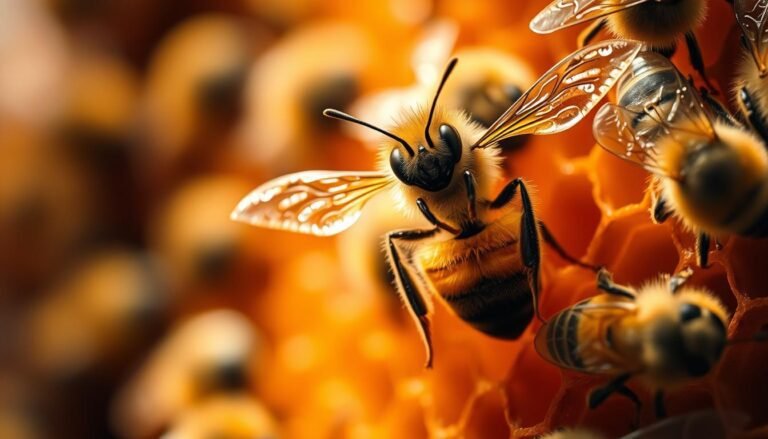
Discover how flowers, region, and season shape the flavor and color of jarred sweetness across the United States. This short tour explains monofloral and wildflower types, why some jars cost more, and how beekeepers chase single-nectar purity.
Bees forage close to home — roughly a two-mile radius — and it takes about 1.5 million blooms to make a cup of sweet. That intense local input creates distinct profiles from clover and orange blossom to tupelo and buckwheat.
We use the UC Davis flavor wheel to describe notes from light and floral to dark and malty. Expect kitchen-friendly tips for tea, toast, cheese boards, and baking. You’ll also get practical buying advice so you can tell single-origin jars from blends.
For more background on floral sources and regional examples, see a helpful primer on floral types and growing sources at flower-to-honey notes.
Key Takeaways
- Local nectar defines character: bees concentrate regional botany into each jar.
- Taste ranges from water-white and delicate to deep, robust darks.
- Monofloral jars demand more care and often cost more.
- Use light profiles for tea and toast; bold ones for marinades and BBQ.
- The UC Davis flavor wheel helps describe aroma and flavor precisely.
What Makes a Honey Variety Unique: Nectar Sources, Regions, and Seasons
Where and when nectar flows decide whether a bottling tastes floral, woody, or rich and malty. Specific plants give jars their signature aroma, color, and mouthfeel. When one blossom dominates, beekeepers may label a jar as monofloral; otherwise it is often sold as wildflower.
Honey bees visit millions of blooms within about a two-mile radius of the hive. That local mix of flowers, pollinators, soil and microclimate makes each harvest distinct. Weather and bloom timing can shift chemistry year to year, so the same named variety may vary.
Using the flavor wheel to describe notes
The UC Davis flavor wheel helps tasters pin down floral, herbaceous, resinous, and even animal descriptors like cedar or oak. Use that vocabulary when comparing jars side by side.
Practical tips: Read labels for plant, region, and harvest season to judge intent. Beekeepers often move hives to chase single-source flows, but overlap happens. For more on how floral sources shape a jar, see what makes a varietal, and for grading context check grading standards.
| Factor | Effect on Flavor | Example |
|---|---|---|
| Nectar source | Drives aroma and color | Basswood = light, floral |
| Region & season | Defines harvest window and notes | California avocado = dark, robust |
| Weather variation | Alters sugar profile and intensity | Dry year = concentrated, bolder taste |
16. popular U.S. honey varieties
Quick tasting notes: use these short snapshots to explore aroma, color, and how each jar behaves in the pantry.

Clover — mild, floral, fast-crystallizing
Profile: sweet and gentle with a pale color. Clover honey often crystallizes within weeks, so expect a spreadable jar for toast.
Wildflower — multifloral, region-dependent
Profile: blended nectar yields shifting flavors and color across seasons. It’s a reliable everyday option with variable notes.
Orange blossom — citrus bouquet, light amber
Profile: delicate citrus-blossom aroma and light-to-medium amber color. Great in tea and delicate desserts.
Buckwheat — dark, malty, molasses-like
Profile: deep brown to nearly black, with robust, savory notes that stand up in breads and glazes.
Basswood (Linden) — summer-harvested, refined
Profile: light and floral; prized by tasters and pollinators for its clean finish.
Berry blossoms — blueberry, blackberry, raspberry
Profile: blossom-driven fruit accents, not syrupy fruit taste. Subtle tang and soft berry perfume suit breakfast and cheese.
Fireweed — light and delicate
Profile: clear gold, very refined—called the “champagne” style for its finesse.
Goldenrod — buttery, quick crystallization
Profile: butterscotch hints and extremely fast crystallization; jars firm up soon after harvest.
Tupelo, Meadowfoam, Alfalfa, Sourwood, Avocado, Star Thistle
Profiles at a glance: tupelo is silky and buttery, meadowfoam reads as cupcake-like, alfalfa is balanced and grill-friendly, sourwood shows buttery depth, avocado is dark and excellent in brownies, and star thistle is bright and tea-friendly.
Tip: compare these using the flavor wheel to map your preferred tastes and textures.
How to Taste Honey Like a Pro: Flavor, Aroma, and Texture
Begin with sight: the shade and clarity in the jar guide your expectations for aroma and taste.
Using the flavor wheel to map notes
Start by noting color from water white to dark amber. Then smell for families: floral, herbaceous, and resinous. The UC Davis flavor wheel helps translate cedar or oak cues into everyday words.
Color, perceived sweetness, and real sugar
Color suggests intensity but not exact sweetness. Darker jars often carry bolder flavors, yet sugar composition varies by nectar and season. Trust your nose as much as your eyes.
Texture cues that tell a story
Check viscosity and crystals. Cool, crystallized jars spread differently and release aroma slowly. Warm, liquid samples feel silkier and free more volatile notes on the palate.
- Sequence: sight → aroma → small sip.
- Compare a light clover, a citrus blossom, and a robust buckwheat to calibrate.
- Reset with warm tea or water between samples.
Record impressions of aroma, initial taste, mid-palate, finish, and texture to build a personal reference. For deeper reading on types, see types of honey.
Color and Crystallization: What Your Jar’s Look Says About Flavor
The color in a jar gives the first clue to what you’ll taste and how the texture will behave.

Why some types crystallize fast: sugar balance and tiny seed crystals drive crystallization. Clover often firms in 1–2 months, while goldenrod can begin in 2–3 days after extraction.
Fast-crystallizing examples form fine crystals that make a spreadable texture. That change is normal and shows natural sugar and particulate content, not spoilage.
Dark versus light: typical trends and exceptions
Light jars (water-white to pale amber) usually mean milder flavor and softer aroma families. Darker samples, like buckwheat, tend to be deep, malty, and robust.
But exceptions exist: regional blooms and bees moving hives alter sugar profile and color. Mineral and pollen content also influence crystal size and the final mouthfeel.
- Storage tip: keep jars at stable, cool temps to slow large crystals.
- To reliquefy: warm gently in a water bath below 40°C/104°F until smooth.
- Visual cues: compare light fireweed to dark buckwheat to gauge intensity at a glance.
Buying Real Varietal Honey in the United States
A trustworthy product starts with transparent labeling and traceable collection data. Most states require the label to state the type and where the jar was collected. When producers are unsure, they often list wildflower.
Labels that matter: type and where it was collected
Look for varietal names (orange blossom, buckwheat) and the collection location. That information helps verify authenticity and traceability.
Price signals: season, extraction, packaging, and fair pay
In the U.S. honey is sold by weight. Price per ounce and clear jar sizes make comparison straightforward.
Costs change with seasonality, extraction method, and packaging. Expect about $1 per ounce as a baseline; pure single-origin jars often cost more because they require extra work and careful hive placement.
- Ask producers: where hives were placed and how they maintain single-origin content.
- Checklist before buying: type, region, harvest time, raw vs. filtered, and single floral source vs. blend.
- Red flags: vague origin, unclear type, or missing weight info.
Support small producers who invest extra care in bee management and traceability. For more on labeling and legal standards, see this production and labeling guide.
Regional and Seasonal Highlights Across the U.S.
Across U.S. regions, bloom schedules and local plants give each jar a distinct sense of place.
Maine’s blueberry flow yields a light, floral profile in early summer. In Michigan, knapweed and star thistle show up later with a brighter, slightly herbaceous note.
The Midwest harvest often centers on basswood (linden) in mid-to-late summer. That one brings a refined, pale amber color and a gentle flavor prized by tasters.
Down South, orange blossom and tupelo reflect citrus groves and riverine habitats. Expect amber cues and tight harvest windows tied to bloom time.
California spans eucalyptus and avocado sources. Those types illustrate how bees translate coastal and orchard flowers into very different color and aroma.
- Practical timing: watch mid-late summer for basswood and late-season wildflower flows.
- Pairing tip: acacia honey and other light styles suit delicate foods; darker regional jars match hearty dishes.
- Travel idea: taste local jars to compare terroir-like differences and support the beekeeper’s work.
Remember: pollinators and honey bees respond to weather and local nectar, so expect many different expressions even within the same named source. For a deep dive on tupelo benefits, check this regional tupelo guide.
Flavor Pairings and Kitchen Uses
Match a jar’s aroma to the dish — it transforms simple recipes into memorable bites.
Tea and toast: delicate selections for breakfast and drinks
Delicate jars like orange blossom honey, clover honey, and acacia honey preserve floral notes in hot liquids and on warm bread.
Use orange blossom with light green teas and star thistle or raspberry blossom with black or oolong tea.
Cheese and charcuterie: tasting-room inspired matches
Curated pairings sharpen contrasts: tupelo with Pepper Jack, blueberry blossom with extra-sharp cheddar, and sourwood for buttery synergy on a board.
“A little sweetness can heighten savory textures and bring out hidden aromatics.”
Baking and cooking: robust jars for depth and glaze
Choose buckwheat, avocado blossom, or mesquite for marinades, BBQ glazes, and breads where a deeper taste helps stand up to smoke and spice.
| Use | Suggested jars | Why it works |
|---|---|---|
| Tea & toast | orange blossom honey, clover | keeps floral aroma; balances sweetness |
| Cheese board | tupelo, sourwood, blueberry blossom | butter and tang pair with creamy and sharp cheeses |
| Baking & sauces | avocado blossom, buckwheat, mesquite | adds deep cocoa or molasses-like depth when heated |
Tip: taste across flavors to build a home pairing playbook. Note how sweetness and aroma evolve when heated or mixed with butter or acid.
Care, Storage, and Re-liquefying Without Losing Quality
A simple, steady routine at home preserves aroma and the delicate compounds that define each jar.
Store in a tightly sealed jar at room temperature, away from direct light. This keeps color, aroma, and flavor stable and prevents moisture from entering the content.
Crystallization is natural. Goldenrod can firm within days; clover often in one to two months. Crystals show sugar balance and particulates, not spoilage.
Safe re-liquefying process:
- Place the sealed jar in a warm water bath (about body temperature to 40°C/104°F).
- Warm in short intervals and stir gently between sessions.
- Patience is key — avoid boiling and long high heat.
Avoid microwaving; it degrades enzymes and delicate aromatics. Glass jars tolerate gentle warming better than thin plastics. Keep utensils clean and completely dry to prevent water-driven fermentation.
“Handle jars with steady, low heat and dry tools to keep the original flavor intact.”
Buy sizes that match use so opened jars are consumed while fresh. For more on shelf life and raw content, see does unfiltered honey go bad.
Conclusion
Conclusion: Finish your tasting journey by building a small home collection that highlights contrast. This guide showed how nectar, region, and season make jars with many different flavors and distinct varieties.
Practice tasting side by side to sharpen your palate. Try a light floral for tea, a mid-intensity jar for everyday use, and a robust pick like buckwheat for baking and bold sauces.
Buying authentic jars brings real benefits. Look for clear labels and regional notes so the product supports beekeeper work and traceable origin.
Store jars cool, re-liquefy gently when needed, and keep exploring seasonally. That small habit builds a personal library of flavors that elevates food and entertaining.
FAQ
What defines a honey variety?
A honey variety is defined by the primary nectar source bees visit, the region and season of collection, and the resulting color, aroma, and taste. Single-source or varietal honeys like clover, tupelo, or orange blossom show recognizable flavor signatures tied to specific flowers and climates.
How do nectar sources affect flavor?
Nectar chemistry drives flavor: floral notes from clover and wildflower, citrus brightness from orange blossom, malty depth from buckwheat, and buttery richness from tupelo or sourwood. Soil, weather, and local plant communities further shape the final profile.
Why do some honeys crystallize faster than others?
Crystallization depends on the glucose-to-fructose ratio and pollen content. Honeys high in glucose — such as clover and goldenrod — crystallize quickly into fine, spreadable crystals. Darker, high-fructose honeys like tupelo resist crystallizing longer.
How should I taste honey to notice subtle differences?
Use small spoons and warm the jar slightly to release aroma. Note color and first impression, then inhale for floral, herbaceous, or resinous notes. Taste a thin smear on the tongue to gauge sweetness, acidity, and aftertaste. Compare light honeys like acacia to darker options like buckwheat for contrast.
Is single-flower honey always pure from that blossom?
Beekeepers label varietal honey based on dominant nectar source, but bees often visit multiple flowers. Authentic single-flower honey is typically identified by the region, bloom timing, and sensory consistency; lab testing can confirm pollen composition.
What are common culinary uses for different types?
Light, delicate honeys (orange blossom, fireweed) suit tea, yogurt, and vinaigrettes. Robust, dark honeys (buckwheat, avocado) work well in marinades, baked goods, and savory glazes. Tupelo and sourwood shine on toast or with cheese due to complex buttery notes.
How do color and aroma relate to sweetness?
Generally, lighter honeys taste milder and sometimes sweeter-perceived, while darker honeys deliver deeper, molasses-like or caramel notes. Color correlates with certain flavor families but not strictly with sugar content; aroma and mouthfeel complete the picture.
What should I look for on a label to buy real varietal honey?
Check for the floral source, harvest region, and harvest date. Look for small-producer or raw labels, jar weight, and any third-party testing or pollen analysis. Price often reflects seasonality, extraction method, and fair beekeeper pay.
Can I re-liquefy crystallized honey without harming it?
Yes. Gently warm the sealed jar in a water bath at about 95–110°F (35–43°C) until crystals dissolve. Avoid microwaves or overheating, which can degrade aroma and beneficial enzymes.
How should I store honey to preserve quality?
Store honey in a cool, dry place away from direct sunlight in a tightly sealed jar. Proper storage limits moisture absorption and preserves aroma, texture, and flavor for years.
Are darker honeys more nutritious?
Darker honeys like buckwheat often contain higher antioxidant levels and more robust minerals, but all varietal honeys offer natural sugars and trace nutrients. Choose based on flavor needs and desired functional properties.
How do regional seasons affect wildflower and meadow honeys?
Seasonal shifts change the dominant blooms available to bees, so wildflower and meadow honeys vary year to year. Spring might yield bright, floral notes; late-summer harvests can be richer and more herbaceous depending on local plants.
Which varietal is best for tea and delicate desserts?
Light, floral options such as orange blossom, fireweed, and acacia pair beautifully with tea and delicate desserts. Their subtle aroma complements rather than overpowers delicate flavors.
Can honey flavor change during storage?
Over long periods or with poor storage, honey can darken and lose some volatile aromas, altering perceived flavor. Properly sealed jars kept cool preserve the original profile the longest.
What are some trustworthy ways to support ethical beekeepers?
Buy directly from local beekeepers at farmers markets, join CSA-style honey subscriptions, or look for brands that disclose sourcing and pay fair rates. Transparent labeling and small-batch producers often prioritize hive health and pollinator care.