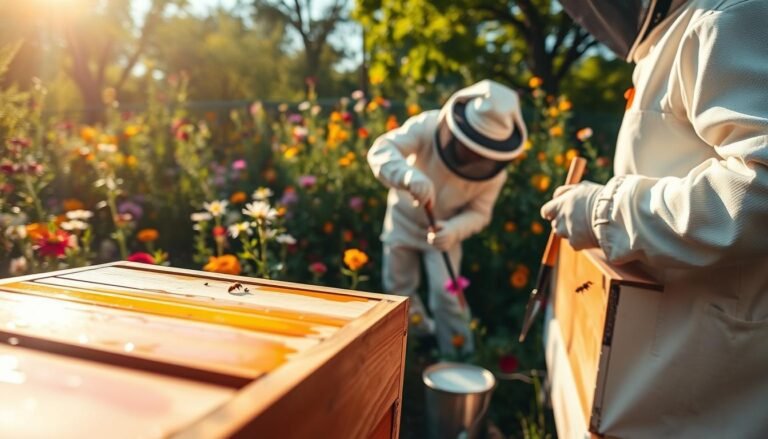
This introduction sets the stage for a multi-year, sequenced program that moves from clear learning goals to practical field skills. The plan pairs firm science with staged hive work so participants gain judgment that lasts across seasons.
Evidence-based resources like ScientificBeekeeping and readable texts give trainees solid information rather than opinion. A good program pulls trusted website content, books, and videos into one coherent path that reduces confusion in a world full of competing advice.
The guide explains how modules link bee biology, varroa control, and honey goals with colony health safeguards. It also shows how teachers can set labs, mentorships, and assessments that match regional timing so learners convert knowledge into safe, repeatable hive outcomes.
Key Takeaways
- Design a sequenced program that blends theory with hands-on hive practice.
- Use tested, evidence-based sources and consolidate them for learners.
- Align lessons with seasonal realities for consistent outcomes.
- Teach observation, data use, and decision steps for healthy colonies.
- Balance honey production goals with long-term colony viability.
- Find practical course ideas at beekeeping courses and training.
Purpose, audience, and scope of a long-term beekeeping program
Define the audience and measurable outcomes so every cohort understands expected skills by the end of the year. This clarifies whether participants are hobbyists, sideliners, or commercial operators and sets realistic pacing and field-hour minimums.
Core outcomes common to all tracks include basic honey bee biology, safe apiary practices, routine inspections, and simple data collection that informs management choices.
Regional scope changes by state, climate, and forage. Include registration or compliance steps where required and map seasonal modules for spring build-up, summer flows and dearth, fall prep, and wintering.
- Hobbyists: two–three hives, baseline husbandry and inspection routines.
- Sideliners: scale workflows, cash-flow basics, and seasonal planning.
- Commercial: logistics, regulatory complexity, and larger apiary systems.
Segment cohorts for differing time commitments while keeping a core skills baseline. Emphasize data literacy so trainees collect inspection records and use them to protect the colony and produce consistent honey.
How to build a long-term beekeeper training curriculum
A purposeful sequence links classroom concepts with repeated hive practice. Start with measurable objectives that move learners from safety and orientation through bee biology and seasonal management.
Pair lectures with labs. Match bee biology sessions to inspection checklists and live demonstrations. Trainees should read brood patterns, frames, and stores during guided apiary visits.
From learning objectives to a sequenced curriculum map
- Define term-level outcomes and scaffold weekly skills.
- Sequence classroom theory beside hands-on labs for repetition.
- Include formative checks so instructors can provide targeted remediation.
Balancing bee biology, hands-on hive work, and management
Balance lectures on bee biology with practical sessions about honey flow, space management, and routine inspections.
Embedding evidence-based teaching over dogma
Use trusted resources and models. Cite credible website material and ScientificBeekeeping methods that favor data over dogma.
| Component | Weekly Focus | Assessment |
|---|---|---|
| Orientation & Safety | Protective gear, apiary rules | Skills checklist |
| Bee biology basics | Colony roles, brood development | Short quiz + frame read |
| Field labs | Inspections, honey handling | Reflective log + mentor sign-off |
| Management scenarios | Varroa models, feeding, winter prep | Practical evaluation |
Multi-year and seasonal roadmap: semester-by-semester structure
A phased calendar aligns student field hours with nectar flows, dearth periods, and overwinter checks. This semester plan gives clear milestones that match real apiary rhythms and measurable skills.
Year One: foundations of bee biology and safe hive handling
Year One centers on safety, anatomy, and routine inspections. Trainees manage one or two hives under supervision and learn smoker use, correct frame handling, and basic brood and resource reads.
Outcome: safe handler badge after meeting field-hour minimums and passing spring inspections.
Year Two: colony management, equipment use, and honey production
Year Two expands into space management, feeding, and mite monitoring. Include extraction workflows and lifting safety for honey boxes that can exceed 35 pounds.
Outcome: colony manager certificate tied to demonstrated honey production and consistent apiary checks.
Year Three: advanced queen management and apiary operations
Year Three teaches queen strategies, splits, and moving stock between yards. Trainees practice resource balancing across colonies and logistics for transport and yard layout.
Outcome: apiary operations endorsement after mentor ride-alongs and capstone projects.
Seasonal cadence: spring build-up, summer flows/dearth, fall prep, wintering
Map field hours so learners inspect during spring build-up, summer flows and mid–late summer dearth, fall consolidation, and winter checks. Emphasize entrance reduction during dearth to prevent robbing.
| Semester | Focus | Key assessment |
|---|---|---|
| Spring (Yr1) | Safety, brood checks | Brood viability eval |
| Summer (Yr2) | Production goals, dearth response | Honey yield & dearth plan |
| Fall (Yr2–3) | Feeding, space consolidation | Stores and space audit |
| Winter (Yr3) | Survival prep, logistics | Survival audit and capstone |
For semester planning resources and course design guidance, see planning the course of study. Quantify progress with field-hour logs, peer demos, and mentor sign-offs at each stage.
Core bee biology that underpins every decision
Understanding the internal biology of a colony gives every management choice a clear, evidence-based purpose.

Begin with roles. A single queen lays fertilized eggs. Worker bees are female and perform nursing, foraging, thermoregulation, and defense. Drones exist for mating and are culled when nectar flows end.
Colony roles: queen, workers, drones, and brood development
Brood stages—eggs, larvae, pupae—are central. Inspecting brood patterns reveals queen quality and colony health. Use brood evidence to verify queenright status when the queen is not visible.
Honey bee behavior and communication relevant to management
Pheromones, waggle dances, and thermoregulation guide resource allocation. Foraging cycles and crowding signals indicate when to add space or plan splits. Recognize seasonal shifts: spring brood expansion, summer foraging changes, and fall consolidation.
Apply biology during frame reads: interpret normal vs abnormal brood, population demographics, and honey stores. This reduces unnecessary intrusions and keeps colonies calmer during inspections.
| Brood Stage | Typical Days | Visual Cues |
|---|---|---|
| Egg | 0–3 days | Small white rice-like shapes in cells |
| Larva | 4–9 days | C-shaped, white, fed by workers |
| Pupa | 10–21 days | Capped cells, developing adult features |
| Worker/Drones | Emergence varies | Population balance and drone presence signal season |
Essential practical skills: keeping bees safely and effectively
Clear routines and protective habits keep trainees safe and help colonies thrive. Build a short checklist for every visit and practice it during supervised field hours.
Protective clothing, stings, and allergy protocols
Standardize PPE: veil or suit, sting-resistant gloves, and sealed footwear. Remind trainees that gear reduces but does not eliminate sting risk.
Allergy education: severe reactions can include heart palpitations, itchy palms or soles, throat tightening, and breathing difficulty. Require disclosure of risks and that prescribed medication is carried when needed. Advise medical testing for anyone with suspected severe sensitivity.
Standard hive inspections and reading frames
Plan inspections every one to two weeks during active months. Use simple sheets and short videos for practice so trainees learn to spot eggs, larvae, capped brood, pollen, nectar, capped honey, and queen cells.
- Train calm handling: slow movements, gentle frame removal, and correct smoke use.
- Run drills for frame replacement, spacing, and avoiding crushed bees while keeping correct bee space.
- Coach smoker lighting, fuel choice, and fire safety for cool, consistent smoke.
- Include ergonomics and safe lifting—supers full of honey can exceed safe single-person weights.
- Create decision trees from inspection findings: add boxes, reduce entrances, or start feeding.
- Finish each session with tool sanitation, secure equipment storage, and site clean-up.
For structured safety lessons and course materials, link trainees to an in-depth course on apiculture and a practical safety guide.
apiculture course · safety precautions
Site selection and legal compliance in the United States
Good apiary placement balances forage, safety, and local rules. Choose sites with abundant flowering trees, wind protection, level stands, and safe distance from pesticide spray.
Place hives on firm, level ground with vehicle access for harvest and winter service. Keep flight paths above head height and away from pools, play areas, and bright night lighting.
Neighbors, predators, and practical deterrents
Respecting neighbors reduces complaints. Inform the local community, share contact information, and agree on setbacks.
- Use elevated stands and mouse guards in cool months.
- Install electric fencing in bear country before bears appear.
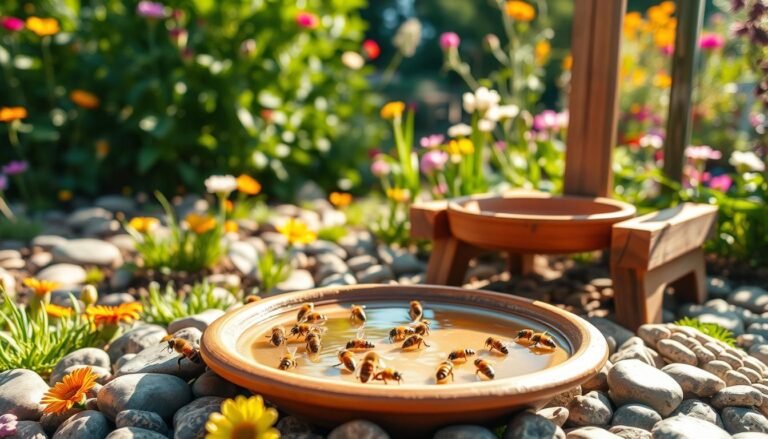
- Provide a clean water source so bees avoid pools.
State registration and best practices
Check state registration requirements and document HOA or municipal ordinances. Pennsylvania, for example, requires apiary registration and Penn State Extension offers BMPs and local information.
“Thoughtful siting protects colonies, neighbors, and yields.”
| Site Factor | Why it matters | Action |
|---|---|---|
| Forage access | Supports honey flow and colony health | Choose near trees and diverse blooms |
| Disturbance level | Reduces robbing and stings | Set back from traffic and play areas |
| Safety & access | Enables safe lifting and vehicle service | Level stand, non-slip surface, clear path |
Equipment paths and hive types your trainees should master
Start with common, serviceable equipment so learners spend time with bees rather than fixing gear. In the U.S., center instruction on Langstroth systems because mentors, parts, and suppliers are widely available.
Practical system overview
Introduce top bar and Warre hives for awareness, but focus hands-on labs on Langstroth. Cover 8-frame versus 10-frame choices—8-frame boxes are lighter but require more boxes; 10-frame holds more honey per box and reduces stacking.
Boxes, tools, feeders, and maintenance
Standard kit: smoker, hive tool, gloves, veil or suit, frames, boxes, bottom board, entrance reducer, mouse guard, inner cover, telescoping cover, and feeder. Teach feeder selection, safe smoker lighting, and fuel choices.
| Item | Use | Training focus |
|---|---|---|
| Deeps | Brood chambers | Frame spacing, queen reads |
| Mediums/Shallows | Honey storage & extraction | Lifting safety, extraction workflow |
| Feeders | Supplemental feeding | Placement, robbery risk, temp limits |
| Smoker & tools | Calming and manipulation | Lighting, fuel, storage, maintenance |
Standardize an equipment scheme across yards for simple swaps and spare parts. Run labs on frame assembly, foundation install, painting, and repair of wear points. Plan supplier orders early to avoid seasonal shortages and ensure parts are on order before field placement.
Sourcing bees and building colonies from day one
Sourcing healthy stock and learning initial setup are critical. Plan procurement early, note lead times, and prefer local pickup to reduce shipping mortality.
Packages vs nucs: Packages are screened cages with thousands of workers, a caged queen, and syrup. They cost less but take longer to draw comb and reach full strength. Installation is trickier and requires patient feeding and close follow-up.
Nucs contain 4–5 frames of drawn comb, brood, food, workers, and a laying queen. They establish faster, simplify early management, and speed honey production. Expect higher upfront cost but quicker returns.

Marked queens and early-season management
Request a marked queen when you order live stock. Marking speeds queen-right checks and improves training efficiency for trainees learning to spot queens.
- Start with two or three colonies for comparison and risk management.
- Early checklist: confirm laying pattern, brood viability, food stores, and comb building by week 2–3.
- Teach installation labs for both starts, feeding strategies, and anti-robbing measures.
- Log the first 30–45 days. If a colony fails, requeen or combine per protocol.
Pest, parasite, and disease management as a core competency
Proactive surveillance for parasites and pathogens prevents small problems from becoming losses. Teach regular checks, clear records, and seasonal planning so teams act with evidence rather than guesswork.
Varroa mites: monitoring strategies and treatment options
Varroa is the primary external parasite. Train trainees in alcohol wash and sugar roll tests and record counts on every visit.
Set thresholds by season and brood status, then match treatments—chemical, mechanical, or oxalic acid—using timing that minimizes brood exposure.
Small hive beetle, wax moth, and American foulbrood awareness
Show visual signs of small hive beetle and wax moth damage and stress prevention tactics like good ventilation and strong colonies.
Teach AFB recognition and mandatory reporting steps. Use local rules and extension services for required control measures.
Using models and data to plan mite control over time
Introduce the varroa control model from ScientificBeekeeping as a planning tool. Let trainees simulate scenarios and compare outcomes before acting.
| Test | Threshold | Recommended action |
|---|---|---|
| Alcohol wash | 3–5% mites | Treatment timed with low brood |
| Sugar roll | 3–5% mites | Repeat test, record lot numbers |
| Visual: AFB | Any suspect | Quarantine & report |
Standardize records for counts, treatments, lot numbers, and outcomes. Emphasize integrated pest management: rotate chemistries, strengthen colonies with nutrition and space, and follow safety protocols when handling treatments.
“Early, data-driven action protects colonies and preserves honey yields.”
Management modules: food, space, robbing, and winter readiness
Effective apiary management ties feeding choices and space adjustments to clear, data-driven checks. Teach trainees to read stores by weight, frame assessment, and weather forecasts, then match actions with risk levels.
Feeding decisions through dearth and overwintering
Train evaluative feeding: when to feed, what to feed, and which feeder fits the season. Early spring and fall often need syrup or pollen substitutes. Choose closed feeders in warm months to cut robbing risk.
Space management, entrance reduction, and robbing prevention
Define dearth at yard and hive levels: reduced forage, increased forager returns with less nectar, and tense behavior. During mid–late summer dearth reduce entrances, remove exposed feed, and avoid dripping syrup near hives.
- Standardize box additions as populations grow; consolidate when brood and stores contract.
- Use mouse guards and wind breaks as temperatures drop.
- Drill: find honey-bound brood nests and correct by creating frames with empty comb or moving stores, preventing congestion and swarming.
- Create pre-dearth, dearth, and post-dearth checklists so teams act quickly and consistently.
Decisions should follow data: use weight checks, frame-by-frame store audits, and weather windows to schedule feeding and space calls. Reinforce quiet, safe handling during high robbing risk to protect trainees, neighbors, and honey yields.
Further guidance on feeding protocols is available in this feeding guide, and recommended reading lists can be found at beekeeping resources and books.
Learning modes: books, videos, labs, and field hours
Design a clear pathway that links short readings, demonstration videos, and progressive labs so trainees prepare before each apiary visit.
Curate a reading list with foundational works (Letters From the Hive; The Beekeeper’s Bible; Langstroth’s Hive and the Honey-Bee; Honey Bee Democracy). Pair those texts with a trusted website and free trial chapters for core biology.
Hands-on labs and mentorship shadowing
Allocate required field hours with stepwise practicums. Begin with basic handling and move toward complex management under mentor supervision.
Blended delivery and ongoing updates
Use short skills videos before labs so trainees arrive ready. Send timely email alerts for seasonal tasks, and maintain captioned, mobile-friendly content and printable PDFs.
Mapping media to competencies
Create clear expectations for mentorship shadowing, reflection journals, and completion tracking before advanced assessments.
| Media | Competency | Example asset |
|---|---|---|
| Books | Core theory, weekly reading | Letters From the Hive; The Beekeeper’s Bible |
| Videos | Procedure demos, short skills clips | Selected YouTube playlists; More Than Honey |
| Labs / Hours | Practical handling, mentor sign-off | Structured practicums, logged field hours |
| Email / Website | Seasonal alerts, updates, resources | Course email cadence; credible extension website links |
Assessment, certification, and progression gates
Assessments must confirm safe, repeatable skills while protecting colony welfare. Align checks with routine inspections every 1–2 weeks so trainees demonstrate competence across seasonal conditions.
Skills checklists, field-hour logs, and written evaluations
Define clear checklists for each level covering safety, frame handling, brood assessment, space and feeding decisions, and basic pest monitoring.
- Require field-hour logs signed by mentors to confirm varied practice across seasons and hive states.
- Use written evaluations with scenario-based questions that test biology, diagnosis, and management planning.
- Run practical exams in the apiary to verify competent execution under time limits and safety standards.
Capstone projects: hive health plans and production goals
Assign capstones that integrate monitoring data and treatment thresholds into a formal hive health plan.
Include production targets tied to colony strength and forage so trainees set realistic honey goals and document expected outcomes.
“Progression gates protect colonies and ensure trainees only advance after proven competence.”
- Provide remediation pathways with targeted practice and re-evaluation opportunities.
- Use peer assessment for select tasks so beekeepers build evaluative judgment and shared vocabulary.
- Maintain documentation on a shared page for transparency in requirements and outcomes.
- Analyze assessment data each year to refine timing, emphasis, and resources.
Certification should name the beekeeper level achieved and list required signed hours, passed written tests, and practical demonstrations. This creates clear gates before assignment of higher-risk responsibilities in the yard and supports continued success in keeping bees.
Community, partnerships, and program operations
Strong local networks keep programs resilient and widen access to mentorship and seasonal services. Formal partnerships with local associations and extension services provide mentors, align practices with BMPs, and bring guest instructors into class and the yard.
Working with local associations, extensions, and mentors
Formalize mentor services with clear schedules, expectations, and recognition. Coordinate mentor pairing, shadowing windows, and report-backs so beekeepers gain consistent guidance.
Safety, equipment inventory, and communications cadence
Define program operations with safety orientation, emergency protocols, and risk management for both public and private sites.
- Maintain an equipment inventory with check-in/out, sanitation standards, and lifecycle plans for high-wear items.
- Establish an email cadence for weather alerts, seasonal advisories, and assignment reminders.
- Build a public-facing website page with calendar, contacts, and links to Penn State Extension and ScientificBeekeeping resources.
Offer community services such as intro talks and controlled open-hive days to recruit trainees and build goodwill. Track stakeholder feedback and service metrics to refine scheduling and resource distribution.
“Documented SOPs and sponsor-funded gear protect continuity and expand access to training and honey-producing yards.”
Conclusion
C start: This is intentionally omitted in visible output per constraints.
A stepwise approach helps people take the time needed to learn before scaling. New beekeepers should shadow mentors and start with two or three colonies for side‑by‑side comparison and learning. ,
Following a structured multi‑year path unites biology, safe practice, and seasonal planning so trainees can keep bees with confidence. Evidence‑based methods protect bees and support steady honey yields without sacrificing colony health.
Keep records, use checklists, and stay connected with extensions and trusted research. Implement the roadmap, measure results, and loop improvements back into your program so the community that started keeping bees grows wiser and more resilient.
FAQ
What outcomes should a multi-year program set for hobbyists, sideliners, and commercial beekeepers?
Define clear competency levels: hobbyists should master safe inspections, basic swarm control, and wintering a single colony; sideliners need production planning, queen management, and seasonal movement strategies; commercial operators require scalable biosecurity, labor management, and data-driven mite control. Tie outcomes to measurable skills, hours in the field, and capstone projects.
How do you align curriculum scope with U.S. regional conditions and seasons?
Map learning modules to regional phenology: northern programs emphasize spring build-up and winter prep; southern programs cover extended brood cycles and irrigation effects. Use state extension resources and local weather data to time hands-on labs and field assessments for peak relevance.
What sequence converts learning objectives into a semester-by-semester curriculum map?
Start with bee biology and safety in the first semester, add basic inspections and hive maintenance in semester two, then introduce colony management and honey production in year two. Use progressive skills checks and require field hours before advancing to queen rearing or commercial topics.
How do you balance bee biology, hands-on work, and management theory in lessons?
Pair short, focused biology lectures with immediate practical labs that demonstrate concepts—brood development followed by frame reading, for example. Integrate management case studies and data analysis after field sessions so theory reinforces practice.
What evidence-based teaching should replace dogma in beekeeping education?
Use peer-reviewed research, extension publications, and validated monitoring protocols for topics like Varroa control, nutrition, and treatment thresholds. Encourage critical appraisal of popular practices and require citations for recommended interventions.
What should Year One focus on for new beekeepers?
Emphasize colony anatomy, life stages, safe hive handling, personal protective equipment, and basic inspections. Include installation of a package or nuc, seasonal calendar planning, and a hands-on practicum with mentor oversight.
What skills should Year Two build on for production and equipment use?
Train students in splitting, swarm prevention, honey extraction basics, feeder management, and record keeping. Teach maintenance tasks: frame repair, hive sanitation, and efficient use of smokers and hive tools.
What advanced topics belong in Year Three for apiary operations?
Cover queen rearing basics, selective breeding, apiary layout for scale, labor and inventory management, and implementing integrated pest management (IPM) plans that use monitoring data for decisions.
How should seasonal cadence be taught across the year?
Structure modules around spring buildup, summer flows and dearths, fall honey removal and consolidation, and wintering. Use checklists and decision trees for each season so trainees learn predictable, repeatable actions.
Which core biology concepts must every trainee master?
Colony roles—queen, worker, drone—brood development timelines, nectar processing, and thermoregulation. Teach how these biological processes drive management choices like timing treatments and manipulating brood.
How do honey bee behaviors inform everyday management?
Explain foraging patterns, communication via waggle dances, hygienic behavior, and defensive responses. Relate behavior to hive placement, feeding strategies, and when to perform invasive inspections.
What practical safety skills are essential for new keepers?
Proper use of veil, jacket, gloves, and suit; sting first-aid and allergy protocols; and safe smoker operation. Include training on lifting techniques, tool safety, and emergency response planning.
What should a standard hive inspection checklist include?
Check for queen presence or eggs, brood pattern, signs of disease or pests, food stores, space needs, and ventilation. Teach reading combs for temperament and brood health and documenting findings in logs.
How do you choose apiary sites and meet legal requirements in the U.S.?
Select locations with forage access, wind protection, and neighbor considerations. Verify local zoning, state registration, and nuisance ordinances. Consult state department of agriculture publications for registration and movement rules.
Which hive types and equipment paths should trainees master?
Center instruction on Langstroth systems, while introducing top-bar and Warre basics so students understand alternatives. Cover boxes, frames, foundation options, feeders, smokers, and routine maintenance schedules.
What are the pros and cons of packages versus nucs when sourcing colonies?
Packages are cost-effective and allow re-queening at installation but require time to build comb. Nucs provide established brood and faster build-up but often cost more and may carry pests. Teach installation techniques for both and early-season management differences.
How should marked queens and early-season queen management be taught?
Train students to identify, handle, and assess marked queens during inspections. Cover requeening methods, timing for queen replacement, and genetic selection criteria for temperament and productivity.
What Varroa monitoring and treatment options should be core curriculum?
Teach sticky boards, sugar shakes, and alcohol washes for monitoring and establish treatment thresholds. Cover chemical options like amitraz and oxalic acid, plus non-chemical approaches: drone brood removal, screened bottom boards, and powdered sugar dusting.
How do you address small hive beetle, wax moth, and American foulbrood in courses?
Include identification, prevention, and response protocols. For AFB stress legal reporting and burn or incineration rules where required. Use case studies and lab diagnostics for real-world recognition.
How can trainees use models and data for mite management planning?
Teach record-keeping, seasonal mite curve modeling, and the use of treatment decision thresholds. Incorporate spreadsheets or apps for tracking colony counts, treatment dates, and efficacy.
What feeding and space-management modules are critical?
Cover syrup and pollen substitute use during dearths, fall feeding for winter stores, supering strategy, and space adjustments to prevent swarming or robbing. Teach entrance reduction and hive sanitation tactics.
What learning resources should a curated reading list include?
Recommend extension publications from USDA and state universities, books like “The Beekeeper’s Handbook” by Diana Sammataro and Alphonse Avitabile, and reputable websites such as HoneyBeeSuite and Bee Culture. Add peer-reviewed journal articles for advanced students.
How should hands-on labs, practicums, and mentorship be structured?
Combine scheduled apiary labs with rotating mentor shadowing and required field-hour minimums. Use supervised skill checklists for inspections, splits, and disease ID. Ensure mentors hold verifiable credentials or extension affiliation.
What blended delivery methods work best for beekeeping education?
Use short online modules for theory, in-person labs for skills, and regular email updates for seasonal reminders. Record demonstrations and create video libraries for review before field sessions.
How do you assess progression and certify competency?
Use skills checklists, logged field hours, written exams, and capstone projects such as a hive health plan or production forecast. Offer tiered certificates for beginner, intermediate, and advanced levels tied to measurable outcomes.
What makes an effective capstone project for beekeeper training?
Require a practical plan that demonstrates integrated skills: colony assessments, pest management schedule, production targets, and a resource budget. Evaluate with mentor feedback and documentation of implemented hours.
How should programs partner with local associations and extension services?
Formalize mentorships with county beekeepers’ associations, invite extension agents as guest instructors, and use local labs for diagnostics. Partnerships strengthen outreach, access to equipment, and community support.
What operational elements must programs manage for safety and communication?
Maintain PPE inventory, first-aid kits, and documented emergency procedures. Establish communication cadence—weekly emails during active seasons—and use scheduling tools for apiary shifts and volunteer rosters.
Which metrics should programs track for continuous improvement?
Track student field hours, pass rates on skills checks, hive survival percentages, honey yield per colony, and participant satisfaction. Use these data points to refine curriculum timing and content.