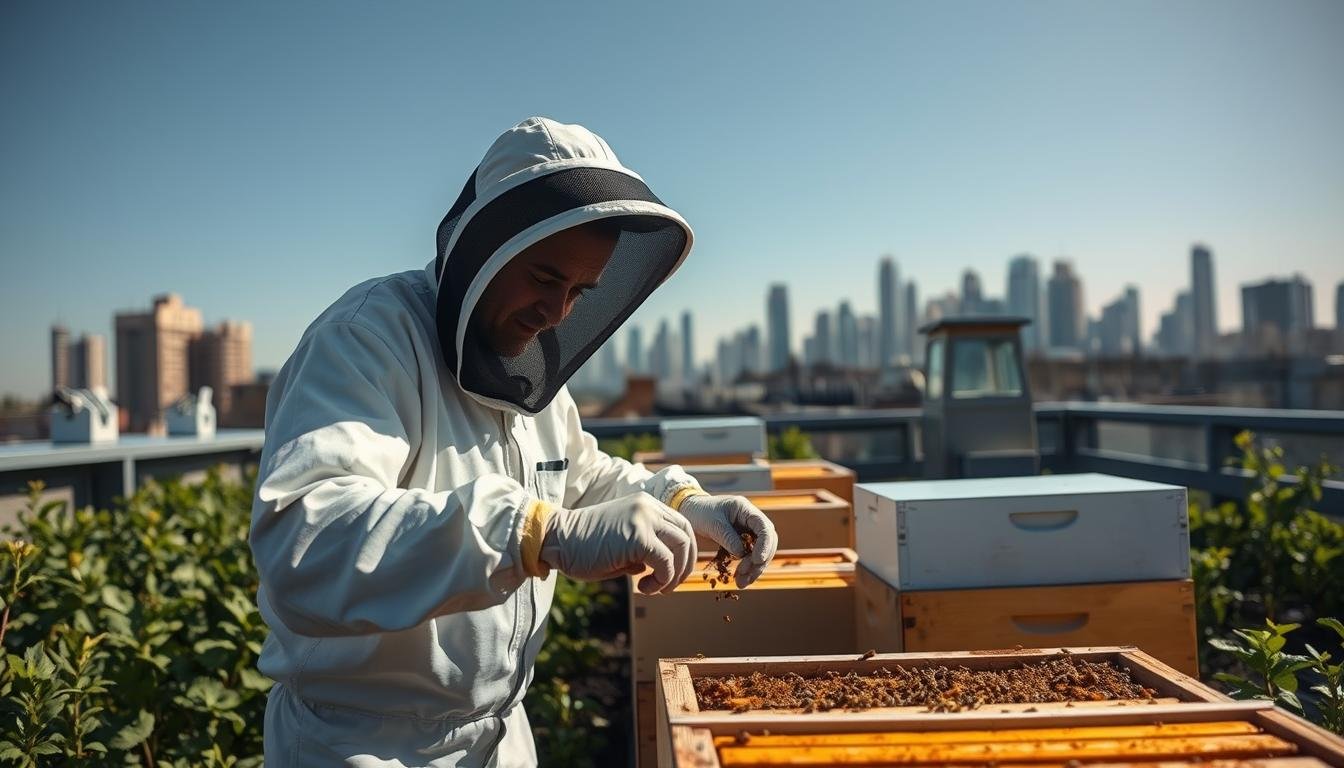
Urban beekeeping has grown from a niche hobby to a vital environmental movement in cities worldwide. From rooftop gardens in New York to backyard apiaries in Seattle, city dwellers are discovering the joy of keeping bees while supporting local ecosystems. This comprehensive guide will walk you through everything you need to know to start your urban beekeeping journey, from checking local regulations to harvesting your first batch of honey.
Why Urban Beekeeping Matters
Beekeeping in urban areas offers surprising benefits for both the environment and beekeepers themselves. Cities often provide diverse flowering plants throughout longer growing seasons, with fewer pesticides than rural agricultural areas. This creates an ideal environment for honey bees to thrive.
Environmental Benefits
- Increased pollination for urban gardens and green spaces
- Support for declining bee populations worldwide
- Enhanced biodiversity in city environments
- Creation of wildlife corridors in urban settings
Personal Benefits
- Harvesting your own local, sustainable honey
- Connecting with nature in an urban setting
- Learning valuable skills and ecological knowledge
- Joining a supportive community of urban beekeepers
Urban honey often has unique flavor profiles reflecting the diverse flora of city landscapes. Many beekeepers report that urban colonies can be more productive than their rural counterparts, sometimes producing up to three times more honey due to warmer city temperatures and diverse forage options.
Legal Considerations for Urban Beekeeping
Before setting up your first hive, it’s crucial to understand the legal framework for beekeeping in your area. Regulations vary widely between cities and even neighborhoods.

Research local regulations before starting your urban beekeeping journey
Key Legal Aspects to Check
- Zoning regulations that may restrict beekeeping in certain areas
- Permit requirements and associated fees
- Limits on the number of hives allowed per property
- Required distance from property lines or neighboring buildings
- Registration requirements with local agricultural departments
Find Your Local Regulations
Contact your city’s planning department or visit your municipal website to learn about beekeeping ordinances in your area. Many cities have embraced urban beekeeping with clear guidelines to help you get started legally.
Many cities like New York, Chicago, and San Francisco have specific ordinances allowing beekeeping with certain restrictions. Even if your city currently prohibits beekeeping, local regulations can often be changed through organized citizen advocacy.
Space Requirements for Urban Beehives
One of the most common concerns for potential urban beekeepers is whether they have enough space. The good news is that beekeeping doesn’t require much room—even a small balcony or rooftop can work with proper planning.
Backyard Setup
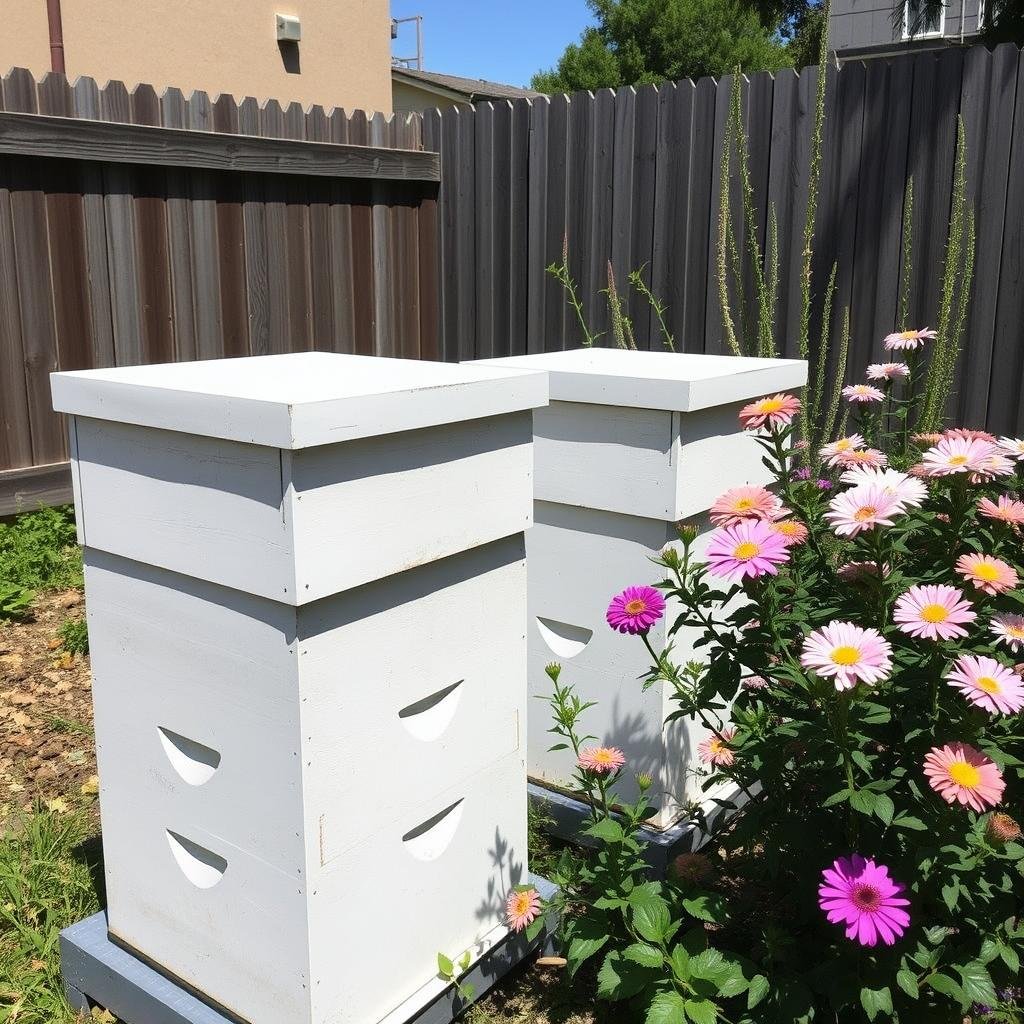
A single hive needs only about 3×3 feet of space, plus room for you to work around it. Position hives away from high-traffic areas and consider a fence to direct bee flight paths upward.
Rooftop Apiaries
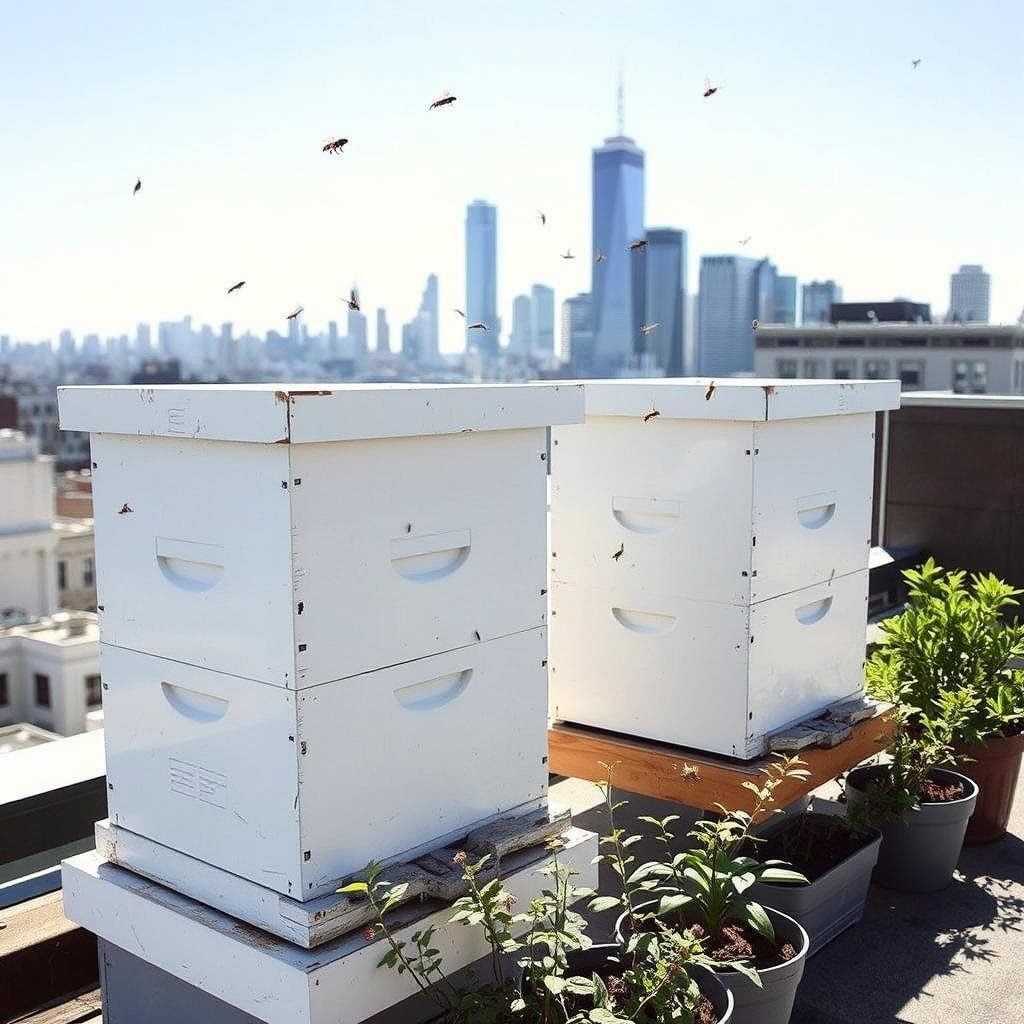
Rooftops offer excellent sun exposure and keep bees away from pedestrians. Ensure roof access is safe and legal, and secure hives against wind with straps or windbreaks.
Balcony Beekeeping
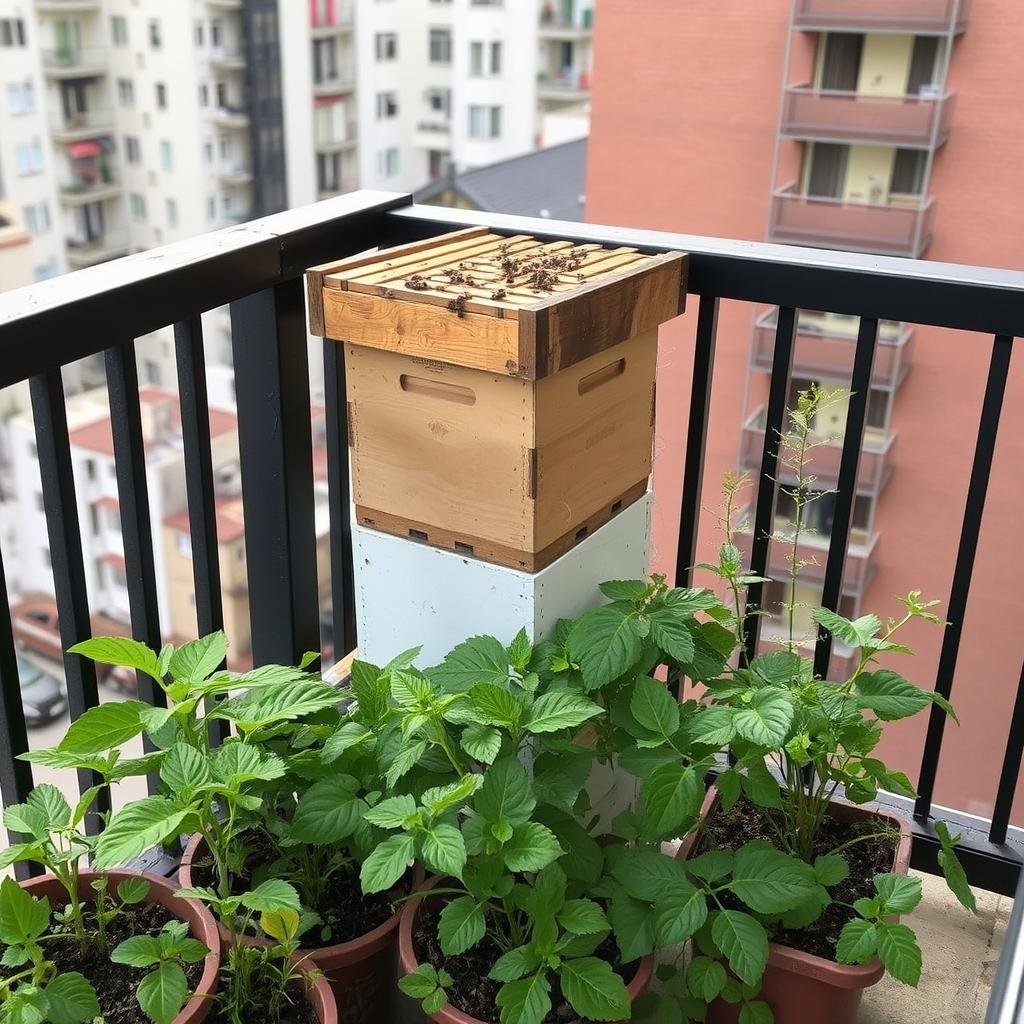
Even apartment dwellers can keep bees with compact hive designs. Top-bar hives or nucleus colonies work well in limited spaces like balconies when combined with potted bee-friendly plants.
Minimum Space Requirements
At minimum, you’ll need:
- 3×3 feet for the hive itself
- 3-6 feet of clearance in front of the hive entrance
- 2-3 feet of working space around the sides and back
- Access to a water source (can be provided artificially)
If space is extremely limited, consider partnering with community gardens, schools, or businesses with available land who might welcome the pollination benefits of hosting your hives.
Essential Equipment for Urban Beekeeping
Starting an urban apiary requires some specialized equipment. While the initial investment might seem significant, quality gear will last for many years and contribute to successful beekeeping.
Hive Types for Urban Settings
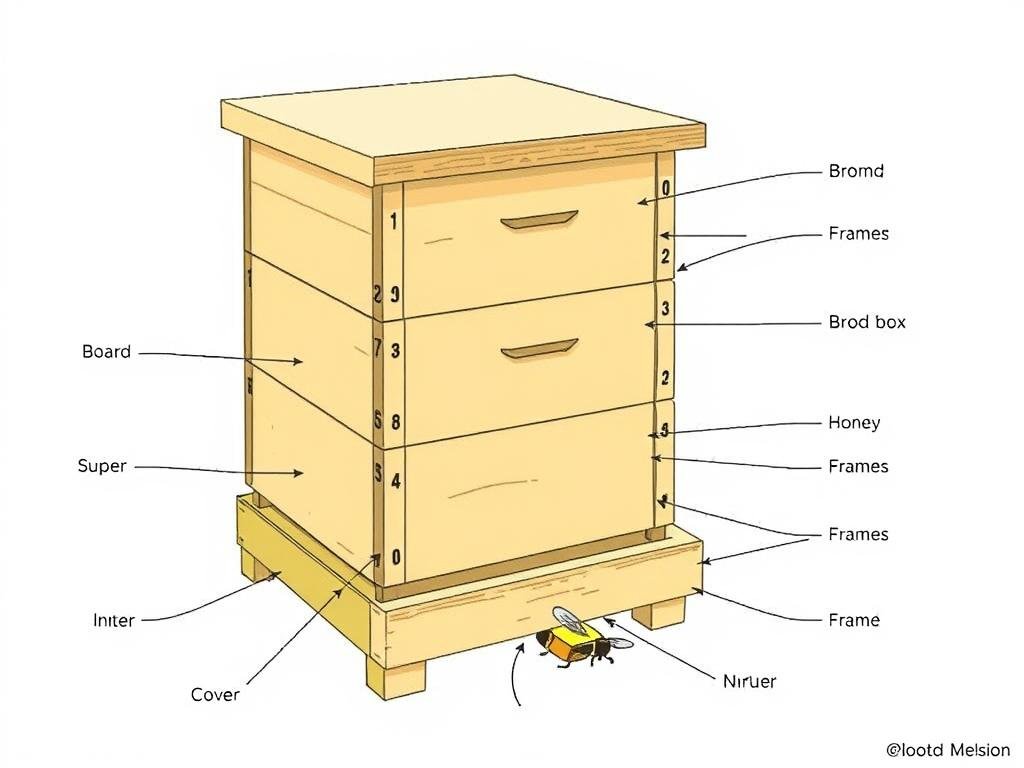
Langstroth Hives
The most common hive type in North America, featuring stackable boxes with removable frames. Benefits include standardized parts, excellent honey production, and ease of inspection. A complete setup costs $200-300.
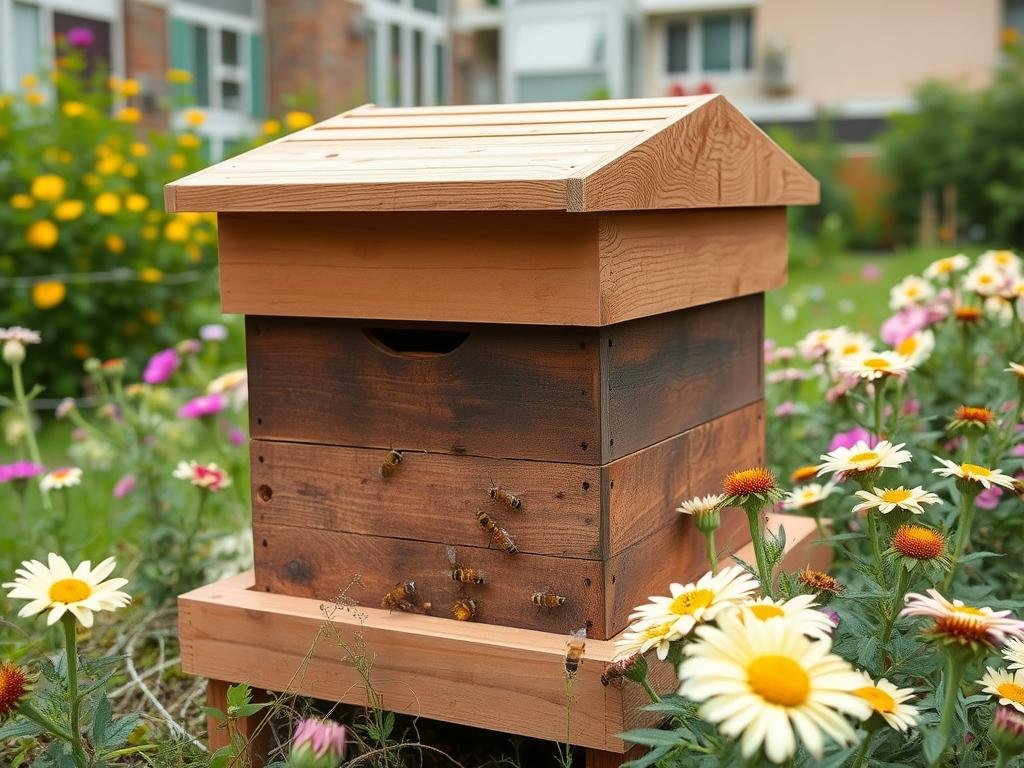
Top Bar Hives
Horizontal hives where bees build comb from bars hanging across the top. Ideal for small spaces like balconies due to their compact footprint. They’re easier on your back (no heavy lifting) and cost $150-250 to build or buy.
Protective Gear
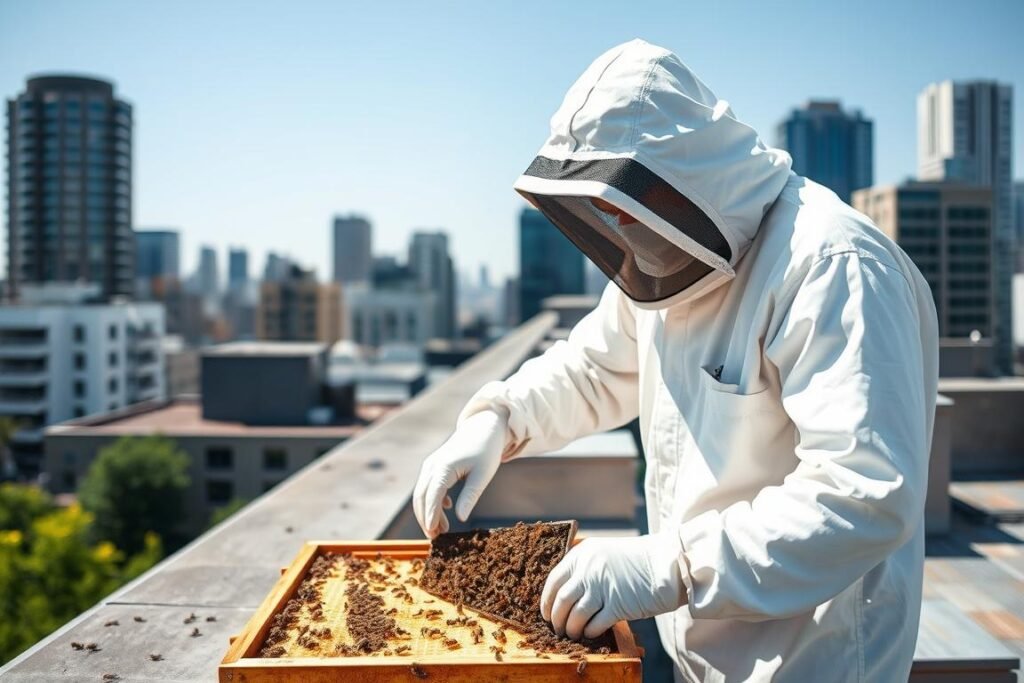
| Equipment | Purpose | Estimated Cost | Necessity Level |
| Bee Suit/Jacket with Veil | Protects your face, head and body from stings | $80-150 | Essential |
| Beekeeping Gloves | Protects hands while handling frames | $15-30 | Essential for beginners |
| Smoker | Calms bees during hive inspections | $25-40 | Essential |
| Hive Tool | Helps separate hive components and lift frames | $10-20 | Essential |
| Bee Brush | Gently removes bees from frames during honey harvest | $5-15 | Useful |
| Feeder | Provides supplemental food when natural sources are scarce | $15-30 | Essential |
Get Quality Beekeeping Equipment
Investing in proper equipment ensures both your safety and the health of your bees. Quality gear makes hive management easier and more enjoyable.
Selecting the Right Bees for Urban Environments
Choosing the right bee species or strain is crucial for successful urban beekeeping. Some bees are better suited to city environments due to their temperament, productivity, and disease resistance.
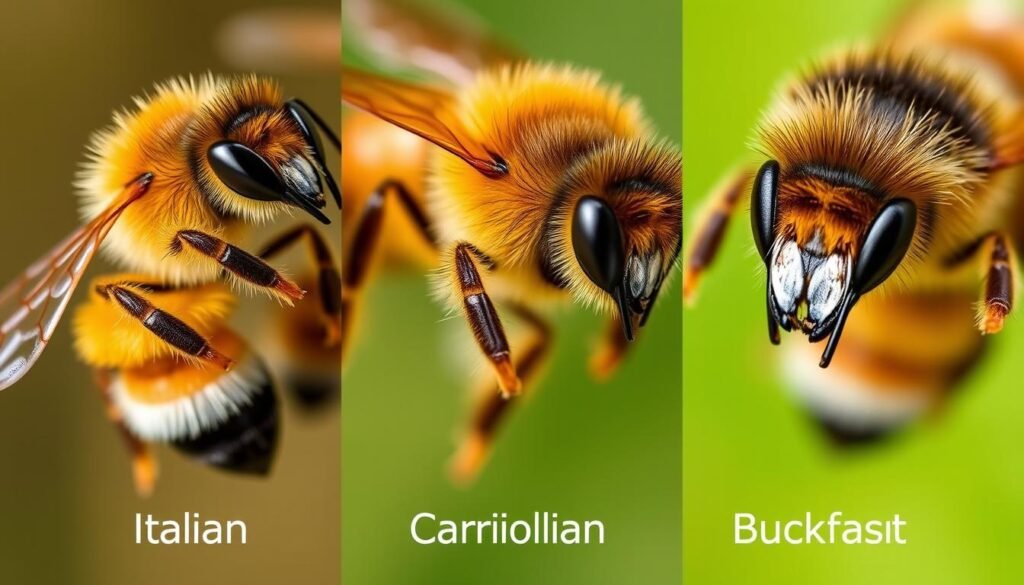
Common honey bee types suitable for urban beekeeping (left to right): Italian, Carniolan, and Buckfast
| Bee Type | Temperament | Productivity | Urban Suitability | Special Characteristics |
| Italian (Apis mellifera ligustica) | Gentle, good for beginners | High honey production | Excellent | Bright yellow coloration, builds up quickly in spring |
| Carniolan (Apis mellifera carnica) | Very gentle, calm | Good in variable climates | Excellent | Dark coloration, excellent winter survival, less prone to robbing |
| Buckfast | Gentle with proper management | High honey production | Very Good | Disease resistant, hybrid developed by Brother Adam |
| Russian | Moderately gentle | Moderate | Good | Excellent varroa mite resistance, conservative with resources |
Sourcing Your Bees
Package Bees
A screened box containing 3-4 pounds of worker bees and a separately caged queen. Cost: $120-180. Best for starting a new hive from scratch.
Nucleus Colony (Nuc)
A small established colony with 4-5 frames, including a laying queen, brood, and food stores. Cost: $150-225. Gives your hive a head start.
Local Is Better
Whenever possible, source bees from local suppliers. Locally adapted bees are often better suited to your specific climate and forage conditions. Plus, you’ll reduce the stress on bees from long-distance shipping.
Strategic Hive Placement in Urban Settings
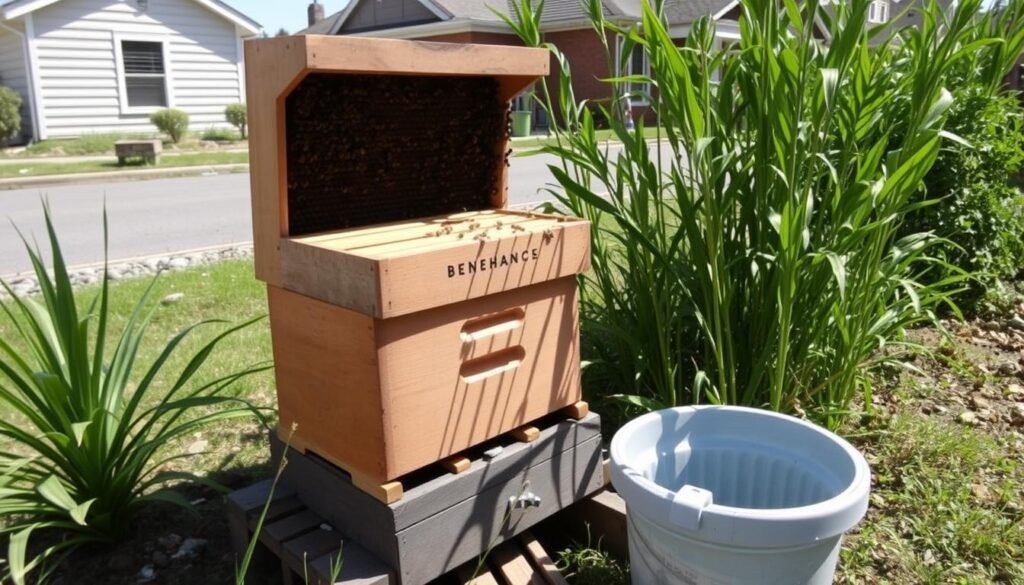
Where you position your hives can significantly impact both bee health and neighborhood harmony. Urban beekeeping requires thoughtful placement to ensure your bees thrive while minimizing any impact on neighbors.
Key Placement Considerations
Sun Exposure
Position hives to receive morning sun, which encourages bees to start foraging early. Partial afternoon shade in hot climates helps prevent overheating during summer months.
Wind Protection
Shield hives from strong prevailing winds with fences, shrubs, or buildings. In rooftop settings, windbreaks are especially important to prevent hives from toppling.
Water Access
Bees need water year-round. Provide a water source with landing spots (like floating corks) to prevent drowning. This keeps bees from visiting neighbors’ pools or bird baths.
Flight Path Management
Position hive entrances facing away from high-traffic areas. Use fencing or tall plants (6+ feet) to force bees to fly upward when leaving the hive, keeping them above head height.
Neighbor Considerations
Always inform neighbors about your beekeeping plans before setting up hives. Offer to answer questions, address concerns, and perhaps share honey as a goodwill gesture. Many initial concerns can be resolved through education about bee behavior.
Creative Urban Placement Solutions
- Rooftop gardens on apartment buildings or businesses
- Community gardens with dedicated apiary sections
- School gardens (with proper permissions and safety measures)
- Urban farms or orchards seeking pollination
- Screened areas of public parks (where permitted)
Maintaining Healthy Urban Bee Colonies
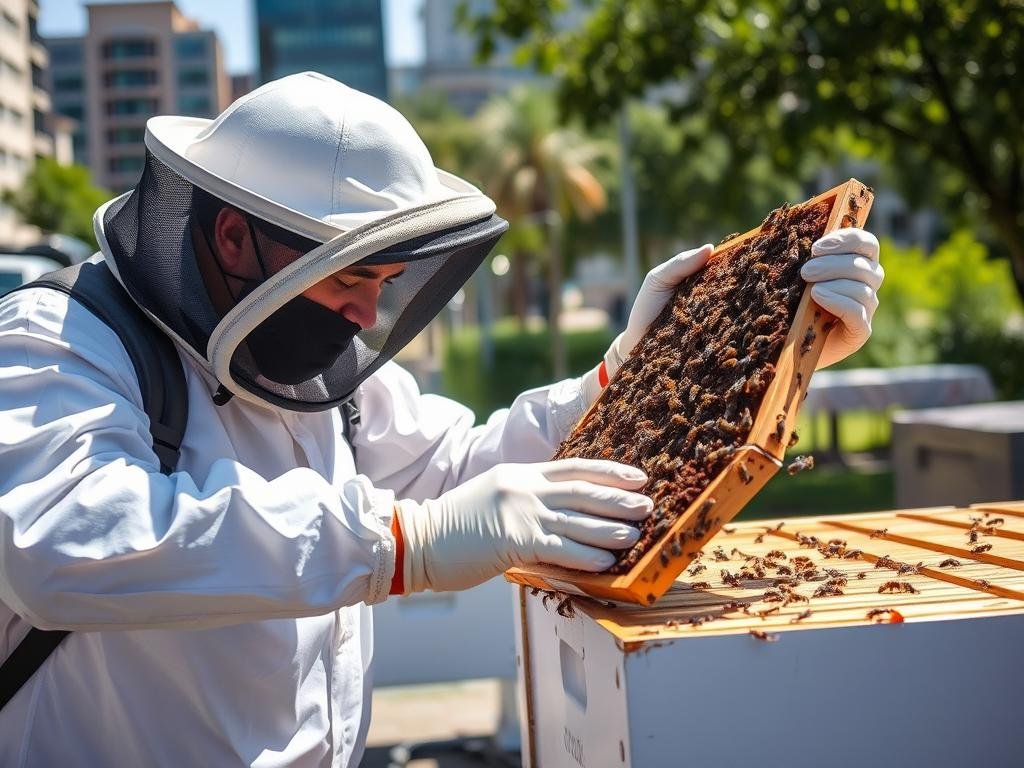
Successful urban beekeeping requires regular maintenance and monitoring. Establishing a consistent inspection routine helps you catch potential problems early while ensuring your colony remains healthy and productive.
Seasonal Beekeeping Calendar
| Season | Key Tasks | Special Considerations for Urban Settings |
| Spring (March-May) |
|
Be vigilant about swarm prevention in urban areas where swarms can cause public concern. Urban areas often warm earlier, so be prepared for earlier inspections. |
| Summer (June-August) |
|
Urban heat islands can make hives hotter—consider shade or ventilation in afternoon. Summer dearth may occur when city plants stop blooming; be prepared to feed if necessary. |
| Fall (September-November) |
|
Urban areas may have fall-blooming ornamentals that extend nectar flow. Reduce hive entrances to prevent robbing from other urban colonies. |
| Winter (December-February) |
|
Urban areas are often warmer in winter, which can lead to more activity and faster consumption of stores. Monitor weight more frequently. |
Swarm Prevention in Urban Areas
Swarm prevention is particularly important in urban settings where a swarm of bees can cause public alarm. Implement these strategies to keep your colonies content:
- Provide adequate space by adding supers before the colony becomes crowded
- Replace old queens annually or bi-annually to reduce swarming instinct
- Implement splits or artificial swarms to satisfy the colony’s reproductive urge
- Remove queen cells during weekly inspections during swarm season
- Ensure proper ventilation, especially during hot urban summers
Join a Local Beekeeping Association
Connect with experienced urban beekeepers in your area who can provide mentorship, equipment sharing, and location-specific advice.
Harvesting and Enjoying Urban Honey
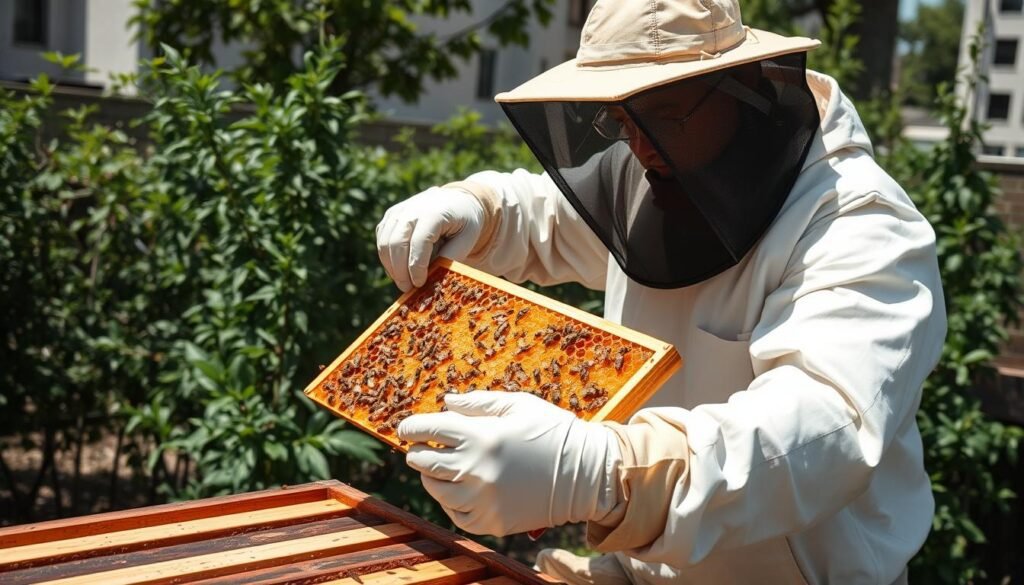
One of the most rewarding aspects of urban beekeeping is harvesting your own honey. Urban honey often has unique flavor profiles reflecting the diverse flora found in city landscapes.
When to Harvest
First-year colonies typically need all their honey to survive winter. In subsequent years, harvest only when:
- Honey frames are at least 80% capped with wax (indicates ripeness)
- You’ve left sufficient stores for the bees (40-60 pounds for winter, depending on your climate)
- The weather is warm and dry (ideally above 75°F/24°C)
- Honey flow season is active or recently ended
Harvesting Process
Urban Honey Characteristics
Urban honey often has complex flavor profiles due to the diverse range of flowering plants in cities. From ornamental gardens to street trees, urban bees access a wide variety of nectar sources throughout the season. Many urban beekeepers report lighter, more floral honey compared to rural monoculture honey.
Sharing Your Harvest
Sharing honey with neighbors is a wonderful way to build community support for your beekeeping activities. Consider creating custom labels for your urban honey, perhaps highlighting your neighborhood or city. Many urban beekeepers find that honey gifts transform initial skeptics into enthusiastic supporters.
Overcoming Common Urban Beekeeping Challenges
Urban beekeeping comes with unique challenges, but with preparation and knowledge, these obstacles can be successfully navigated.
Urban Beekeeping Advantages
- Diverse forage throughout extended seasons
- Fewer agricultural pesticides
- Higher temperatures leading to increased productivity
- Opportunity to educate community about pollinators
- Connection to nature within urban environment
Urban Beekeeping Challenges
- Space limitations and proximity to neighbors
- Regulatory hurdles and permit requirements
- Public perception and fear of bees
- Limited resources during certain seasons
- Potential for hive vandalism or theft
Managing Pests and Diseases
| Common Issue | Signs | Prevention | Treatment |
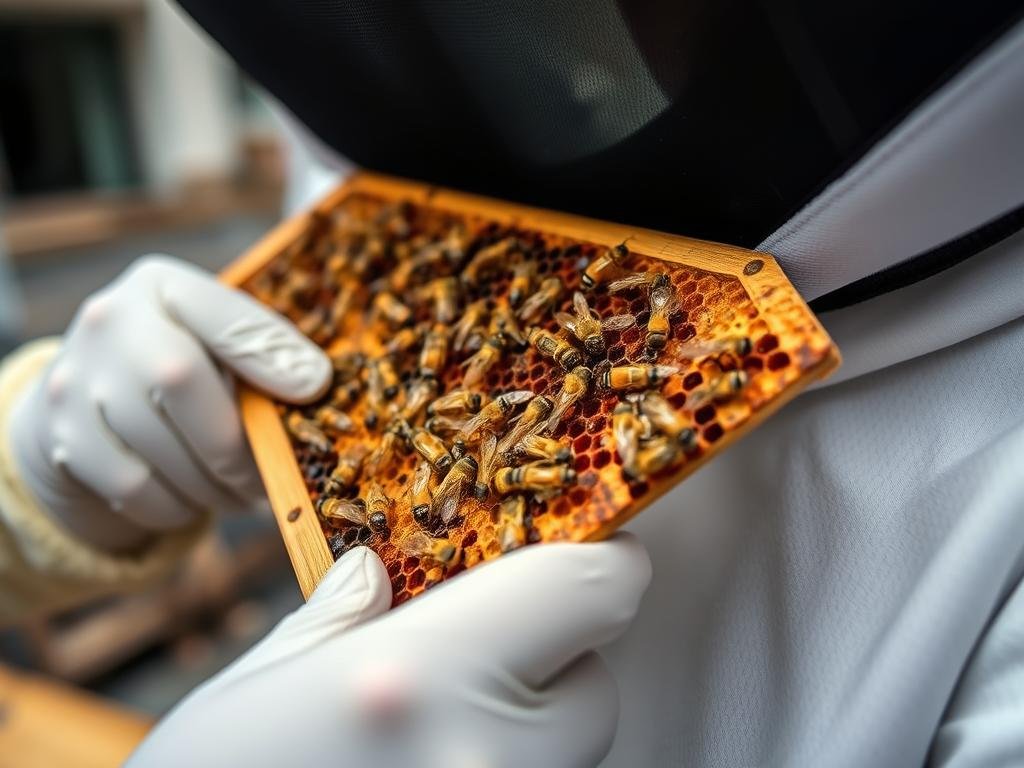
| Varroa Mites | Deformed wings, weakened bees, visible mites on bees | Regular monitoring, screened bottom boards, hygienic bee strains | Organic acids, essential oils, or approved miticides following local regulations |
| Small Hive Beetles | Small dark beetles in hive, slimed frames | Strong colonies, reduced hive space, beetle traps | Beetle traps, maintaining strong colonies, ground drenches for pupae |
| Wax Moths | Webbing on frames, damaged comb | Strong colonies, proper storage of equipment | Remove and freeze affected frames, strengthen colony |
| Nosema | Dysentery, weakened colony, reduced productivity | Good ventilation, clean water source, reduced stress | Probiotics, replacing affected equipment, medication if severe |
Addressing Neighbor Concerns
Building positive relationships with neighbors is essential for successful urban beekeeping. Here are strategies for addressing common concerns:
“Will I get stung more often with beehives nearby?”
Honey bees are generally non-aggressive when away from their hive. They’re focused on collecting nectar and pollen, not on stinging people. Most people won’t notice any increase in bee presence except very close to the hive. Proper hive placement with flight paths directed away from human activity further reduces any risk.
“I’m allergic to bee stings. Should I be worried?”
It’s important to distinguish between normal reactions to stings and true allergies. For those with confirmed allergies, responsible beekeeping practices like strategic hive placement, gentle bee strains, and proper management significantly reduce risks. Consider offering to pay for an EpiPen for genuinely concerned neighbors as a goodwill gesture.
“Will bees bother my outdoor activities or pets?”
Properly managed hives with gentle bee strains rarely interfere with normal outdoor activities. Bees typically fly at above-head height when leaving the hive and disperse quickly. Pets generally learn to avoid hives. Providing a water source for your bees helps keep them from visiting neighbors’ pools or pet water bowls.
Building Community Through Urban Beekeeping
Urban beekeeping offers unique opportunities to connect with your community, educate others about pollinators, and build support for sustainable urban practices.

Educational Opportunities
- Offer hive tours to neighbors and local schools (with proper safety measures)
- Create an observation hive for educational events
- Develop informational materials about bees and urban ecology
- Partner with local libraries or community centers for presentations
- Host honey tasting events to showcase seasonal variations
Selling Urban Honey
Many urban beekeepers find that selling honey can offset the costs of their beekeeping operation. Before selling, research local regulations regarding food sales and proper labeling requirements. Popular sales venues include:
- Farmers markets and community events
- Local specialty food stores and co-ops
- Direct to neighbors and through community networks
- Online through social media or neighborhood platforms
- Local restaurants interested in featuring local ingredients
Take a Beekeeping Course
Hands-on education is invaluable for new beekeepers. Local classes offer practical experience and connect you with mentors in your area.
Joining Beekeeping Organizations
Connecting with other beekeepers provides valuable support, especially for beginners. Consider joining:
- Local beekeeping associations that offer mentorship programs
- Urban agriculture networks focused on sustainable city farming
- Online forums and social media groups specific to urban beekeeping
- Citizen science projects monitoring bee populations and health
Starting Your Urban Beekeeping Journey
Urban beekeeping represents a powerful way to reconnect with nature while making a positive environmental impact in our cities. From the joy of watching your first bees return with pollen to harvesting honey with unique local flavors, keeping bees in the city offers rewards that extend far beyond the hive.
Begin by researching local regulations, connecting with experienced beekeepers, and preparing your space. Start small with one or two hives as you develop your skills and confidence. Remember that beekeeping is both a science and an art—each season brings new learning opportunities and experiences.
As urban environments continue to evolve, beekeepers play a vital role in creating sustainable cities that support biodiversity and local food production. Your beekeeping journey contributes to a larger movement of urban environmental stewardship that benefits both people and pollinators.
Ready to Start Your Urban Beekeeping Journey?
Get connected with resources, equipment, and community support to help you begin keeping bees in your urban space.