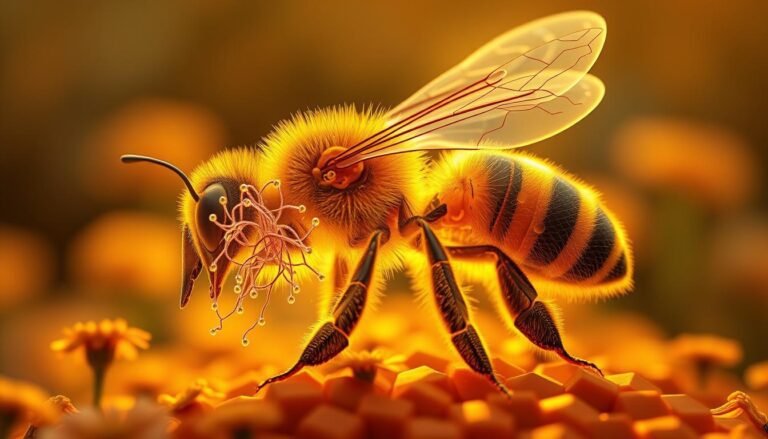
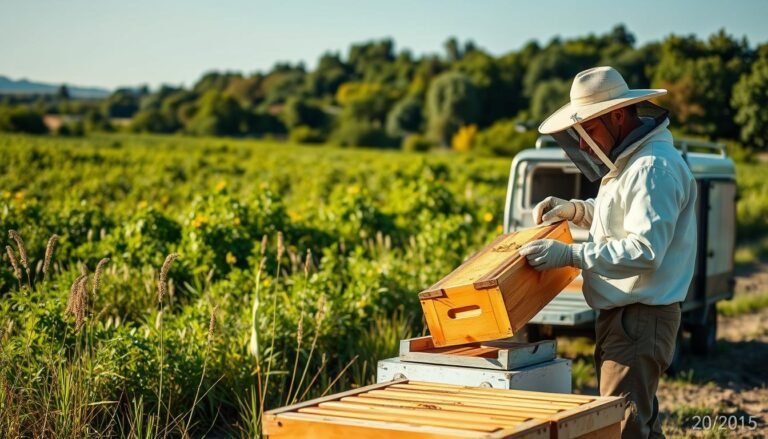
This Ultimate Guide defines what community-based pollinator stewardship means today and sets clear expectations for local action. Readers will see how a single program can help protect pollinators, bees, and plants while strengthening food systems and public health.
We explain why pollinators and bees are central to pollination and food, and how community efforts turn concern into practical, science-based practices. The guide links education and conservation so neighborhoods can restore habitat and improve ecosystem health.
Previewed in a logical order, the sections ahead cover history, food importance, policy lessons, case studies, the science of risk, hands-on practice, training, funding, and conclusions. Expect professional information and clear practices you can apply—from site selection to pollination-friendly maintenance—to get measurable results.
Key Takeaways
- Local action matters: Small programs deliver measurable gains for bees and food security.
- Education and conservation work together to restore habitat and landscape health.
- Science-based practices make pollinator stewardship effective and practical.
- Clear steps—from plants to maintenance—translate goals into daily routines.
- Collaboration across community groups builds resilience in urban and rural settings.
Defining community-based pollinator stewardship and how past efforts shaped today’s best practices
From backyard hives to citywide corridors, past efforts show how neighbors turned small projects into lasting habitat networks.
Stewardship here means a coordinated process where clubs, schools, parks departments, and volunteers create and maintain habitats, share knowledge, and align practices to help pollinators and bees across landscapes.
Early beekeeping clubs and garden groups taught what plants to choose, how to organize volunteers, and how to adapt to local species and climate. Those lessons scaled into multi-partner projects on public and private land.
Information sharing—workshops, seed swaps, and city guides—created repeatable processes for habitat establishment and maintenance. Beekeeping associations and gardeners linked species needs with plant choices to support honey bees and native bee species.
Roles, growth, and measurable change
Programs grew from single-site efforts into coordinated initiatives that map corridors and measure outcomes for bees and other species. Urban form and land-use change pushed communities to reclaim parks, schoolyards, and rights-of-way as connected habitats.
- Who does what: volunteers plant and monitor; agencies provide permits and funding; clubs offer training and information.
- When and how: seasonal planting calendars, volunteer shifts, and data checks keep projects on track over time.
For practical guidance on starting or joining a local effort, see this beekeeping and community program resource.
Why pollinators matter to America’s food, health, and ecosystems
The movement of pollen by insects and other animals is the quiet engine behind much of our food system. One in every four bites Americans eat depends on pollination, and about 80% of food-producing plants benefit from these services.
One in every four bites: the food security link to pollination
Bees and other species support diverse, nutritious crops. Native bees pollinate roughly 90% of wild plants, while managed honey bee services boost many farmed crops.
Yet declines are serious: over half of native bee species are shrinking in number, nearly one in four is at risk, and about 40% of insect pollinators face substantial threats.
- Ecosystem services: pollination helps prevent erosion, filter water, sequester carbon, and produce oxygen.
- Food security risks: fewer pollinators mean lower yields, poorer quality produce, and higher costs for families and markets.
- Local action: planting the right plants, protecting habitat, and cutting chemical exposures reduce risk and strengthen nature today.
Community projects connect science to practice. Practical programs — from school gardens to neighborhood habitat plots — make measurable gains. For guidance on starting, see this beekeeping and community program resource.
What State Pollinator Protection Plans taught us: funding, enforcement, and on-the-ground realities
State plans reveal that durable funding and clear processes turn policy goals into on-the-ground protection for bees and habitats.
Funding first: fully funded apiary programs pay for inspectors, mileage, lab testing, and fair incident costs. When testing is available, honey bee incidents provide concrete information that drives better practices and policy.
Funding first: apiary inspectors, lab testing, and sustainable state programs
Inspectors need training, tools, and support to sample and report. Labs must be funded so beekeepers do not shoulder testing bills alone.
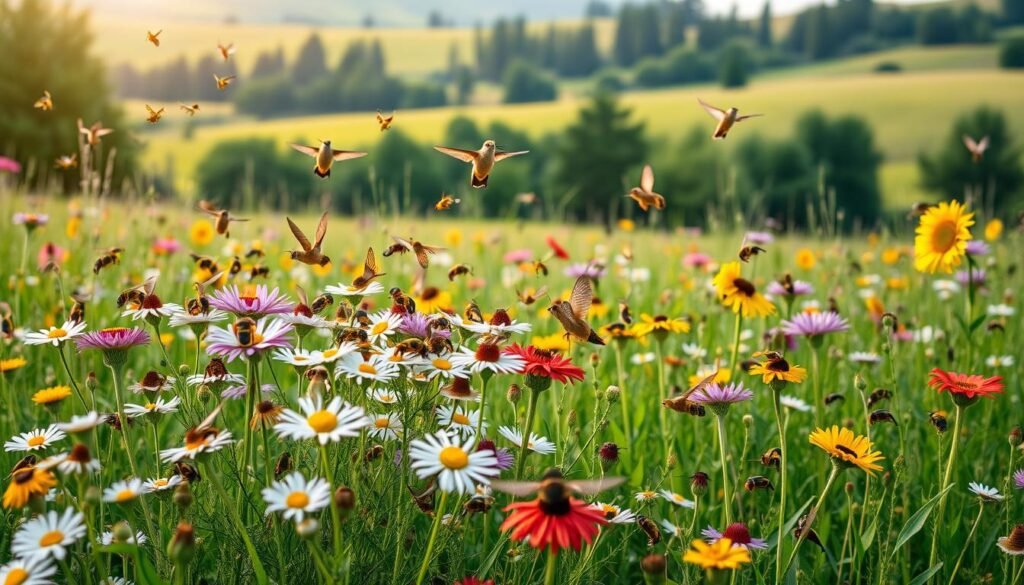
Pesticide labels, tank mixes, and timing: closing dangerous gaps in protection
Investigations require label data, inert ingredient lists, and knowledge of tank mixes. Many labels omit timing guidance and ignore synergism risks from mixed fungicides and insecticides. Closing these gaps reduces avoidable risk to pollination and habitats.
Contracts, registrations, and definitions: protecting both managed and native pollinators
Registrations are not contracts. Misusing definitions can deny protections to beekeepers and native pollinators in local projects. Inclusive education and stakeholder processes align enforcement with real-world change.
“Sustainable programs turn information into action communities can trust.”
- Key part: stable funding underpins inspection and enforcement over time.
- Practical fixes: fix labels, limit risky tank mixes, standardize incident reporting, and fund labs.
Case study: Sacred Grounds Wilmington—faith, community engagement, and native pollinator corridors
Sacred Grounds Wilmington shows how faith groups and partners stitched small green sites into a hyperlocal corridor that benefits pollinators and people.
Ten congregations received mini-grants and on-site support to install native plants and gardens, with ten more slated for help. Hands-on installation by the Delaware River Climate Corps, using graduates of Branches to Chances, gave skilled labor and local capacity.
Mini-grants and on-site support
The grants translated community engagement into action. Congregations replaced turf with native plantings that feed bees and link small parcels of habitat across urban land.
Environmental justice and corridors
Partners—National Wildlife Federation, Delaware Interfaith Power & Light, Delaware Nature Society, and Delaware Center for Horticulture—prioritized frontline communities. That focus directs conservation resources where land access and water needs are most urgent.
Stormwater co-benefits: native roots absorb runoff, filter pollutants, and stabilize soil, lowering flood risk while improving habitat quality.
- Lesson: small grants plus local crews scale projects quickly.
- Lesson: partner roles matter for outreach, funding, and technical support.
- Lesson: design sites for multiple uses—reflection, education, and nature connection.
Communities elsewhere can adapt the mini-grant model and partner mix. For ongoing examples and guidance, see the latest posts.
The science behind risk: habitat loss, pesticides, and climate-driven timing mismatches
Modern threats now combine paved landscapes, chemical exposure, and shifting seasons to shorten the window when bees and blooms meet.
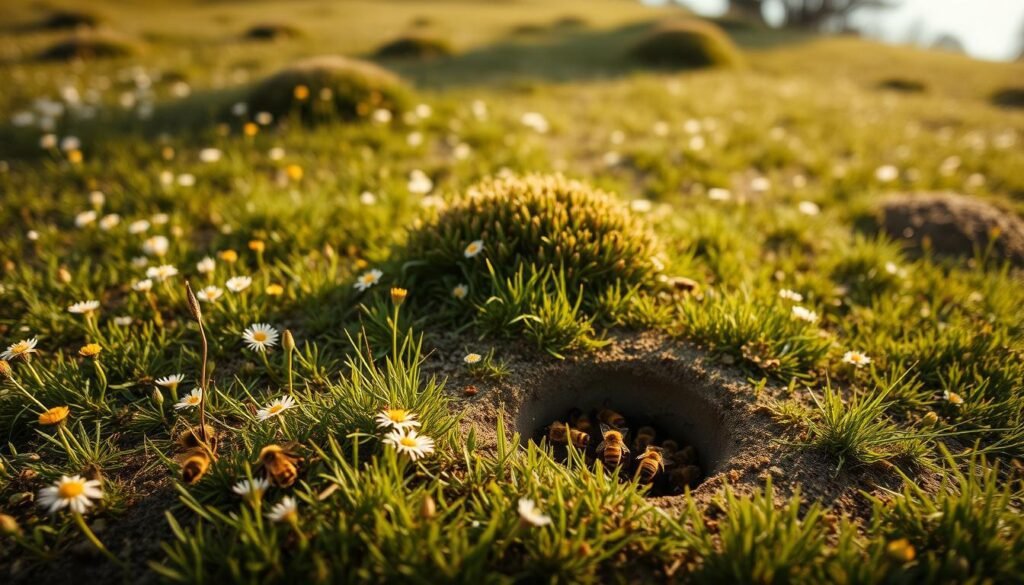
Ground-nesting bees in a paved world
Many native bees nest in bare, undisturbed soil. Increased paving and compacted yards remove those sites and fragment habitat for species that do not use hives.
Practical change is possible: leave small bare patches, create sun-exposed soil banks, and protect edges of flower beds from heavy foot traffic. These actions restore nesting options within yards, parks, and rights-of-way.
Native plants as lifelines
Native plants support specialized relationships. Some bees and the plants they visit depend on tight timing for pollen and nectar to be available when adults emerge.
The USA National Phenology Network shows blooms and insect activity shifting across regions. When spring arrives earlier or later, mismatches can reduce reproduction and survival in both honey bee and native pollinator populations.
“Monitoring phenology helps communities time plantings and protect critical resources,” researchers note.
- Major drivers of risk: habitat loss, pesticide pathways (direct spray, residues, contaminated nesting material), and climate-driven timing shifts.
- Simple practices: reduce or eliminate harmful pesticides, avoid slug baits near nesting areas, and schedule mowing to spare nesting cycles.
- Design tip: small, distributed habitat patches with diverse native plants sustain species through changing time frames.
Putting these practices into local plans makes ecosystems more resilient. With targeted knowledge and modest effort, communities can reduce risk and support bees, species diversity, and the broader ecosystem.
Community-based pollinator stewardship in practice
Neighborhood teams translate simple science into planting, timing, and maintenance routines that help bees thrive.
Inclusive community engagement
Start with a convening that brings beekeepers, gardeners, faith leaders, and local agencies together. Define clear roles, timelines, and shared goals so each partner knows tasks and expectations.
Maintain momentum with regular check-ins, training sessions, and public events that keep community engagement active year after year.
Designing habitat by season
Use native plants selected for sequential bloom to give foraging bees continuous food. Map spring, summer, and fall species and space plantings to overlap bloom periods.
Layer shrubs, perennials, and grasses for structure. This balances aesthetics and function across varied landscapes and land uses.
Pesticide risk reduction
Adopt integrated pest management: monitor, set thresholds, and choose non-chemical controls first. When treatments are needed, pick targeted options and apply during low pollinator activity times.
Alternatives—mechanical, biological, and cultural tactics—cut exposure and protect bees in program sites.
Water-wise and ground care
Improve soil with organic matter to hold moisture and support healthy plants. Conserve water with mulches and grouped plantings.
Leave small undisturbed patches and safe debris to preserve nesting areas for ground- and cavity-nesting bees.
- Site assessment: soil, sun, and existing plants.
- Plant list and seasonal calendar: species by bloom time.
- Installation and volunteers: roles and checklists.
- Maintenance and monitoring: mowing schedules, water plans, and simple data collection.
| Step | What to do | Why it matters | Lead role |
|---|---|---|---|
| Assessment | Soil test, sun map, species inventory | Matches plants to site conditions | Local agency + gardeners |
| Planting | Seasonal native list and phased install | Continuous bloom for bees | Volunteers + nurseries |
| IPM | Thresholds, monitoring, safer timing | Reduces chemical exposure | Beekeepers + landscape pros |
| Maintenance | Calendars, nesting protection, water plan | Long-term habitat value | Community program leads |
“Simple routines and clear roles sustain projects and keep bees and plants flourishing.”
Programs and training that build local capacity
Local training programs turn research into hands-on skills volunteers use to create reliable habitat for bees and plants.
Master Gardener initiatives: education, outreach, and research-based practices
The WSU Extension Master Gardener Program delivers research-based horticulture and environmental education to communities. Volunteers learn sustainable gardening that supports bees and honey bee services in yards, parks, and school sites.
Practical topics include site assessment, plant selection, and seasonal care so projects match local soil and sun conditions.
Certified Pollinator Steward pathways and what you’ll learn
The Pollinator Partnership offers a Certified Pollinator Steward pathway with seven expert-led sessions. The curriculum covers habitat creation, community outreach, monitoring, and teaching tools.
Time commitment is manageable for local leaders. Graduates gain the knowledge to deliver consistent, research-driven information across projects.
Key organizations and resources
Useful resources include Xerces Society regional plant lists, Pollinator.org tools and certification details, and USA National Phenology Network data for timing and bloom tracking.
These resources help programs choose plants, schedule work by season, and monitor outcomes efficiently.
| Course | Length | Focus | Lead |
|---|---|---|---|
| Master Gardener Training | 10–20 weeks | Horticulture, outreach, installation | WSU Extension |
| Certified Pollinator Steward | 7 sessions | Habitat design, education, monitoring | Pollinator Partnership |
| Xerces Regional Guides | Self-paced | Plant lists, best practices | Xerces Society |
| Phenology Tracking | Seasonal | Bloom timing and data for planning | USA National Phenology Network |
“Training links reliable information to everyday practices, saving time and improving results.”
Funding, partnerships, and resources to start or scale your community program today
Launching scaled habitat work depends on clear funding lines, partner roles, and simple performance metrics. Start with an orderly plan that matches grant cycles to site needs so projects move from idea to installation.
Where to find support: federal, state, mini-grants, and nonprofit partnerships
Look to federal funds like the Delaware Watershed Conservation Fund (via NFWF and the U.S. Fish & Wildlife Service) for mini-grants and workforce help that backed Sacred Grounds Wilmington. State programs, local philanthropy, and nonprofits supply seed money and technical resources.
- Federal & state: larger grants and capacity funds.
- Mini-grants: quick starts for churches, schools, and parks.
- Nonprofits: project partners and training.
See federal guidance on agriculture links and support that benefits pollinators and farming.
Building a local coalition
Bring agriculture, faith groups, conservation groups, and city staff into a single planning table. Define roles, timelines, and who handles maintenance funding so projects remain viable.
- Map partners and assets in the area.
- Assign lead roles and simple deliverables.
- Sequence funding requests and installation steps.
Measuring impact: lab testing, incident reporting, and corridor mapping
Fund lab testing and standardize incident reporting to track pesticide-related risk. Use corridor mapping to link plantings so native pollinators and honey-supported services gain continuous habitat.
Practical tip: diversify funding for maintenance, collect data early, and feed results back into program design to improve outcomes for bees, water, and the broader ecosystem.
Conclusion
Today, towns and neighborhoods shape practical programs that protect pollinators, bees, and the plants they need.
Local action ties policy, habitat design, and risk reduction into a clear pollinator stewardship approach. This preserves pollination services that support food, honey, and healthy landscapes.
Fund the essentials, use evidence to guide safer practices, and connect sites into corridors in a simple order to raise your ability to deliver results over time.
Act now: select purposeful plants, organize partners, and set a maintenance schedule so intentions become visible habitat gains and measurable benefits.
For practical guides and training, review initiating pollinator programs and consult beekeeping resources and books to support on-the-ground work.
When communities align resources and resolve, pollinators thrive, bees find forage, and people enjoy nature close to home.
FAQ
What is community-based pollinator stewardship and why does it matter?
Community-based pollinator stewardship brings neighbors, beekeepers, gardeners, faith groups, and local agencies together to protect native pollinators and honey bees. It matters because pollination supports crops, local food security, biodiversity, and healthy ecosystems—losses in pollinator populations can reduce yields, harm habitat resilience, and weaken food chains.
How did past efforts shape today’s best practices?
Early beekeeping clubs, urban planting campaigns, and county extension projects demonstrated practical approaches and pitfalls. These efforts informed modern guidance on habitat design, pesticide risk reduction, funding needs, and the value of inclusive engagement. State plans and academic research then refined standards for monitoring, enforcement, and education.
What role do pollinators play in American food systems?
Pollinators support the production of many fruits, nuts, and vegetables—contributing to roughly one in four bites of food. They increase crop quality and yields, support specialty crops like almonds and berries, and sustain forage for livestock indirectly by maintaining plant diversity in pasture and rangeland.
What lessons did State Pollinator Protection Plans reveal?
Plans highlighted the need for consistent funding for apiary inspectors and lab testing, clearer pesticide label guidance, and definitions that protect both managed and wild species. Effective plans combine enforcement, farmer and applicator training, and strong local outreach to reduce real-world exposure risks.
How do pesticide labels and timing affect pollinator safety?
Labels, tank-mix instructions, and application timing determine direct and indirect exposure. Closing gaps—such as restricting applications during bloom or pollinator activity windows and avoiding harmful tank mixes—significantly lowers risk. Integrated pest management and alternatives further reduce reliance on broad-spectrum insecticides.
What practical steps can faith communities and congregations take to build habitat?
Congregations can apply for mini-grants, convert turf to native plantings, create small wildflower plots, and install rain gardens for stormwater benefits. These actions create corridors, enhance urban biodiversity, and engage volunteers across generations in hands-on conservation.
How do habitat corridors work in cities and suburbs?
Corridors link pocket habitats—yards, parks, church grounds, and greenways—so native species can move, forage, and nest. Even small, well-placed plantings with continuous bloom provide stepping stones for bees, butterflies, and other beneficial insects, improving population resilience in fragmented landscapes.
What threats drive pollinator declines today?
Major drivers include habitat loss, pesticide exposure, and climate-driven phenology shifts that desynchronize pollinators from floral resources. Urbanization and impervious surfaces reduce nesting sites for ground-nesting bees, while changing seasons upset migration and breeding cycles.
How can communities restore ground-nesting bee habitat?
Restore patches of bare, well-drained soil, reduce excessive mulching, leave undisturbed bank edges, and limit heavy foot traffic. Incorporating native grasses and flowering forbs nearby provides forage while preserving nesting areas essential for many solitary bee species.
Which native plants support continuous bloom through the seasons?
Choose a mix of early, mid, and late-season native trees, shrubs, and perennials—such as willow and serviceberry for spring, coneflower and salvia for summer, and asters for fall. Plant diversity ensures food resources across phenology shifts and supports specialist as well as generalist species.
What are effective pesticide risk-reduction practices for communities?
Adopt integrated pest management: monitor pests, use mechanical controls, select targeted biologicals, and apply treatments only when thresholds are exceeded. Time applications for low pollinator activity (night or before dawn), avoid bloom periods, and consult label restrictions to prevent unintended harm.
How can water-wise practices benefit pollinators?
Water-wise stewardship—mulch management, rain gardens, and micro-wetlands—supports floral health without wasting water. Small water features and shallow basins provide drinking and bathing sites. Managing soil health and reducing runoff also improves plant vigor and nesting substrate.
What training programs help build local capacity?
Master Gardener programs, courses from the Xerces Society, Pollinator Partnership workshops, and certified stewardship pathways teach habitat design, monitoring, and outreach. These programs equip volunteers with research-based practices and tools for community education.
Where can groups find funding and grants to start projects?
Look for federal and state conservation grants, USDA programs, local mini-grants from foundations, and nonprofit partnerships. Municipal environmental funds and corporate community giving programs also support habitat projects, education, and native plant installations.
How do coalitions build effective local programs?
Successful coalitions bring together agriculture, conservation NGOs, faith groups, schools, and city agencies. Clear goals, shared roles, and measurable metrics—such as corridor mapping or incident reports—help coordinate resources and amplify impact across landscapes.
How should programs measure impact and report incidents?
Use baseline and follow-up surveys of floral cover and pollinator visits, lab testing for pesticide residues when incidents occur, and standardized incident reporting systems. Mapping corridors and tracking bloom timing provide data to adapt management and demonstrate outcomes to funders.