This introduction clears the air on common claims about hive life and beekeeper tasks. New keepers often expect heavy honey yields right away. In reality, young colonies need time to build comb and raise brood, so early harvests may be minimal.
The keeper’s role is supportive rather than controlling. Honey bees handle foraging, defense, sanitation, and brood care. A good question to ask is, “What are my bees trying to do and how can I help?”
Tools have limits. Smoke masks alarm signals and, if overused, may trigger gorging or even absconding. Physical work also matters: lifting full supers, inspecting hives in heat, and regular checks shape outcomes.
Evidence and research show productivity links to stock, location, and management. This article will separate memorable claims from measured results and point readers to seasonal practices at seasonal beekeeping tasks for practical steps.
Key Takeaways
- Expect low honey yields in the first seasons while colonies establish comb and stores.
- The beekeeper’s primary role is to support colony health, not to control every behavior.
- Use smoke carefully; it masks alarms but can cause harmful responses if misapplied.
- Physical demands and timing of inspections affect hive success.
- Temperament and productivity vary by stock, forage, and management choices.
Why myths about bees and beekeeping persist today
Emotional narratives make tidy legends about bees more memorable than messy data. Simple stories appeal to people because hive dynamics and pollination ecology are complex. That gap invites catchy but inaccurate explanations to fill in the blanks.
Authority bias helps myths spread. A misattributed Einstein line about honey spreading in the 1990s gave a neat headline linking bee decline to human survival, even though it isn’t in his writings. Social transmission then cements such claims.
Confirmation bias also plays a role. New keepers recall dramatic examples that match their hopes or fears while ignoring contrary outcomes. Regional differences in forage, climate, and disease pressure make one-size rules unreliable across areas.
Quick fixes and viral tips often beat slow research. Responsible practice calls for critical thinking, steady reference to field data, and reading solid resources like myth-busting guides and a practical resource guide to separate durable principles from single anecdotes.
“Rely on research more than headlines when deciding how to manage hives.”
- Simple stories overcomplicate real systems.
- Famous names can lend false credibility.
- Social media speeds spread beyond what research can review.
Beekeeping myths and misconceptions — fact vs fiction
Many popular claims about hives condense complex biology into tidy rules that don’t hold up in practice. Below are short, practical corrections to the most persistent ideas new keepers hear.
The keeper isn’t the boss
Colonies forage, defend, and rear brood largely on instinct. A good beekeeper reads frames, supports a queen-right colony, and fixes gaps rather than trying to command every behavior.
Honey timelines
First-year hives may give only 1–2 jars. With good location and health, later seasons can average ~20 lb per hive. Production depends on forage, weather, and strong management.
Defense and stings
Honey bees are defensive, not relentlessly aggressive. Calm handling, minimal crushing, and quick stinger removal reduce venom delivery and lower localized swelling over the years.
Smoke, boxes, and place
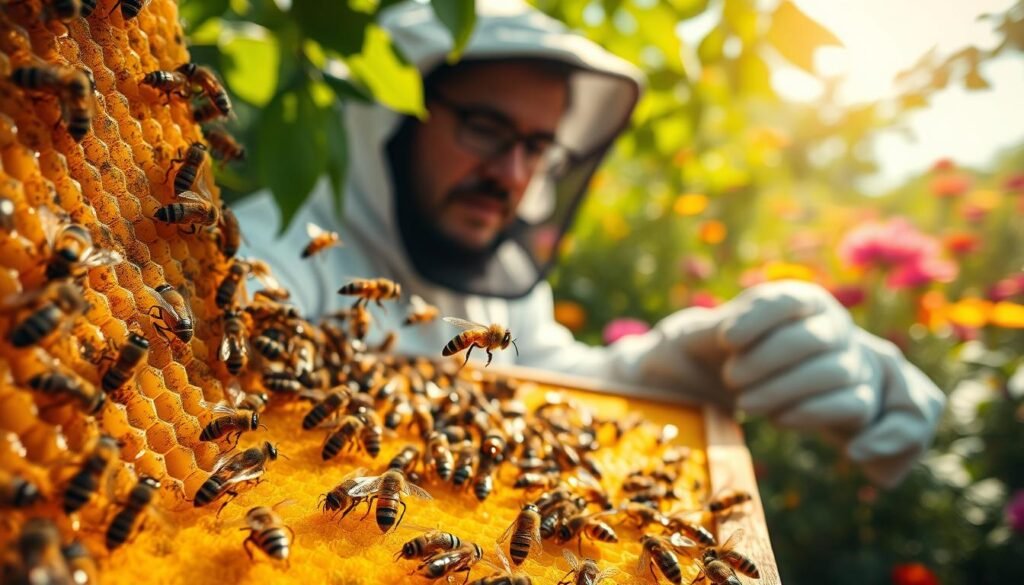
Smoke masks alarm pheromones but heavy smoke can trigger gorging or absconding. No single hive style prevents varroa; integrated monitoring and timely treatment matter more.
Urban realities and motivation
City hives can thrive with diverse flowers, water, and good neighbors. Wanting to “save the bees” helps, but lasting success relies on steady learning and realistic expectations. For a deeper look at common deceptions, see this guide.
“Effective work in the apiary favors observation and steady care over catchy promises.”
From myth to management: present-day realities that improve colonies
Practical management shifts attention from catchy claims to steady steps that strengthen colonies. Small, timely actions matter more than large, infrequent interventions. Focus on basics first to build resilience and steady honey production.
Focus on colony health first
Start by confirming queen status and consistent egg patterns. Inspect for brood space and align supering with nectar flows.
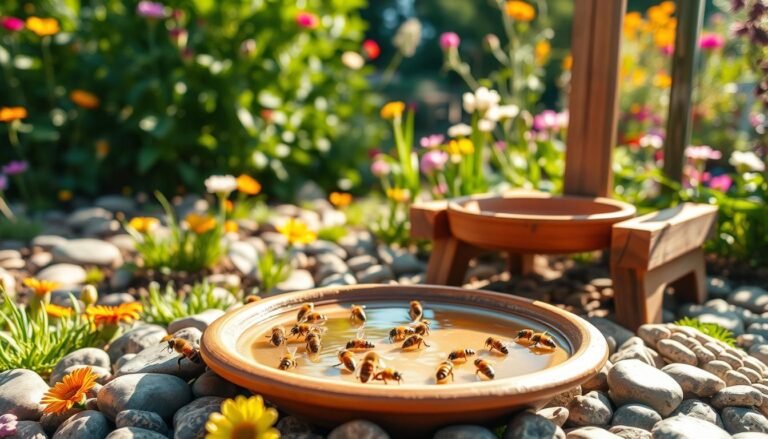
Keep reliable water and varied food nearby so honey bees can thermoregulate and process nectar efficiently.
Right-time management
Plan swarm control around local bloom times. Schedule inspections that target space, disease checks, and mite monitoring.
Time varroa treatments to protect developing bees and reduce reinfestation during robbing seasons.
Choosing stock wisely
Select gentle genetics adapted to your region and requeen on a schedule to maintain temperament and vigor. Lines like Buckfast often balance honey and calm behavior.
Link practices to results: a queen-right hive with steady nutrition and recorded treatments improves honey production across years.
“Keep simple logs of inspections, mite loads, and forage to refine timing and reduce trial-and-error.”
- Confirm queen and brood patterns; match supering to nectar flows.
- Time swarm control, inspections, and varroa measures to local bloom and robbing risk.
- Place hives near diverse flowers and water; supplement food only when needed.
- Requeen for temperament and track production traits.
- Organize gear to reduce heavy lifts, heat stress, and bees sting incidents.
For practical how-to details on requeening and stock choices, see requeening and stock choices. New keepers can also consult a beginner hive guide to align workload and safety with local conditions.
Conclusion
Real gains for colonies come from small, repeatable actions, not quick fixes.
Accept that early yields are modest. Focus on colony health first and honey follows with consistent care. Match timing to local forage and weather to reduce losses and boost stability.
strong, Replace sweeping claims with practical checks: queen status, mite levels, and proper nutrition. Evaluate advice against your region and equipment rather than applying one-size rules.
Stay curious. Join local workshops and reference a guide to common common myths. For training, see courses and training to refine skills over time.
FAQ
Why do old tales about honey bees and hive care keep spreading?
Many stories started as simple observations and spread through word of mouth, online forums, and sensational headlines. People prefer neat explanations, so incomplete or anecdotal ideas stick. Ongoing research, changing landscapes, and new pests like Varroa destructor also shift best practices, which makes older advice seem outdated. Clear education from extension services and universities helps replace rumors with evidence-based guidance.
Is the colony the boss, or does the keeper control everything?
The colony’s biology drives most outcomes. Queens, worker roles, pheromones, and seasonal cycles determine growth and survival. A competent keeper influences factors such as food, space, disease management, and queen quality. Good management supports natural behavior rather than overriding it.
Will a new hive produce large amounts of honey right away?
New colonies usually focus on building population and comb before surplus honey. Expect modest yields in the first year. Factors like spring buildup, forage availability, weather, and parasite pressure dictate production. Experienced beekeepers often advise low expectations for year one and investment in colony health instead.
Are honey bees constantly aggressive and likely to sting anyone who approaches?
Honey bees defend their nest when threatened but are not inherently hostile. Proper handling, gentle movements, light smoke, and choosing calm strains reduce defensive behavior. Aggression often signals stress from pests, poor queens, or overcrowding, which management can address.
Do stings stop hurting after you’ve been stung many times?
Repeated stings do not eliminate pain. Some people show increased tolerance or different immune responses, but sensitization can also occur and lead to stronger reactions. Protective clothing, careful technique, and avoiding known allergen exposure remain the safest approaches.
Does hive design determine success more than management or location?
Hive style matters for handling and local preferences, but management, varroa control, and site conditions weigh more heavily. Good ventilation, regular inspections, timely treatments, and strong forage access all drive colony performance more than a specific box type.
Do city hives perform the same as rural colonies?
Urban environments can offer diverse forage and lower pesticide use in some areas, but they also have limited green space, water scarcity, and higher disease transmission at close hive densities. Success depends on site selection, available flowers, water, and vigilant pest management.
Does smoke truly “calm” bees?
Smoke masks alarm pheromones and prompts bees to gorge on honey, which reduces immediate defensiveness. Overuse can stress colonies and hide problems like queen issues or disease. Use smoke sparingly and combine it with gentle handling for best results.
Will keeping a few hives save declining pollinators overall?
Hobbyist involvement raises awareness and supports local pollination, but broader conservation requires habitat restoration, pesticide reduction, and protection for wild pollinators. Managing healthy honey bee colonies responsibly can help, but it’s not a stand-alone solution.
Is tending hives really an easy hobby for retirees?
It can be rewarding, but work involves lifting heavy boxes, spring and fall labor, and seasonal time commitments. Heat, physical strain, and sudden issues like swarms or disease require attention. It suits those who can handle physical tasks and ongoing learning.
Do angry colonies produce more honey?
No. Aggressive behavior often reflects stress, poor genetics, or environmental limits that reduce productivity. Calm, well-managed colonies with good forage and favorable weather yield more honey than belligerent ones.
Did Albert Einstein really say humans have four years without bees?
That quote has no reliable source and is misattributed. Scientific research does emphasize pollinators’ role in food systems, but dramatic single-person claims like the four-year line are false. Reliable organizations like the USDA and FAO provide evidence-based assessments.
Is all honey the same regardless of source?
Honey varies by floral source, region, and processing. Monofloral honeys like clover, orange blossom, or manuka show distinct flavors, textures, and health claims. Raw honey retains more enzymes and pollen than heavily filtered or heated commercial products.
Do you need lots of land to keep healthy hives?
Not necessarily. Urban and suburban keepers often succeed with modest space if forage and water are nearby. Density, floral diversity, and legal restrictions matter more than sheer acreage. Strategic placement and forage planning support productive colonies.
Can keepers ignore pests and diseases safely?
No. Varroa mites, Nosema, American foulbrood, and other threats require monitoring and integrated pest management. Neglect risks colony loss and spread to neighbors. Regular inspections, hygienic practices, and proven treatments protect both hives and local apiaries.
Is apiculture a fast path to profit?
Serious profit is rare and slow. Costs include equipment, replacement queens, treatments, and time. Honey prices vary by region and quality. Many keepers break even or earn modest supplemental income after several productive years and sound business planning.
Can bees flourish long-term without human help?
In ideal, predator-free environments they can, but modern pressures—Varroa, pesticides, habitat loss, and climate extremes—make intervention important in many regions. Responsible stewardship improves survival and resilience.
Is hive care only for warm climates?
No. Eastern and northern beekeepers prepare colonies for winter with insulation, feeding, and population management. Cold-climate techniques and local knowledge enable thriving hives across a range of temperatures.
Is honey the only useful product from a colony?
Honey is the most visible product, but bees also produce beeswax, propolis, royal jelly, and pollen. They provide vital pollination services that support food crops and native plants, creating ecological and economic value beyond jarred honey.
What does “queen-right” mean and why is it important?
Queen-right means a colony has a healthy, laying queen. This status keeps brood patterns normal, maintains population, and reduces stress. Requeening, queen marking, and monitoring brood help sustain colony health and productivity.
When should I perform key management tasks like swarm control and varroa treatment?
Timing depends on local climate and nectar flows. Generally, spring buildup needs swarm prevention and early varroa checks. Late summer and early fall are critical for varroa treatments to protect winter bees. Follow local extension recommendations for exact schedules.
How important is choosing gentle, locally adapted stock?
Very important. Bees with gentle genetics and local adaptation show better survival, lower defensiveness, and improved foraging. Many keepers source queens or nucs from reputable breeders who select for temperament, disease resistance, and climate fit.